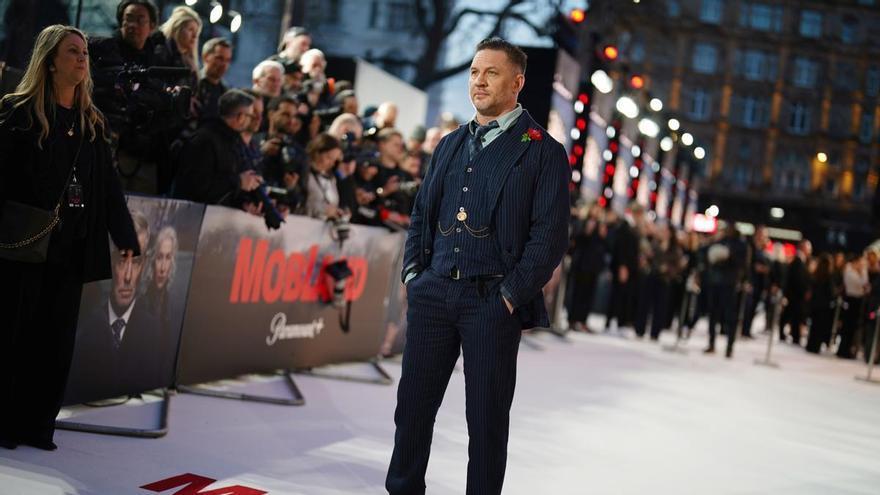
In the high-stakes world of Hollywood production, few names carry as much weight—and as much baggage—as Tom Hardy. A powerhouse performer known for his transformative physical commitment and raw screen presence, Hardy has long been the subject of industry whispers regarding his on-set demeanor. Recently, speculation has resurfaced concerning the actor’s professional conduct, specifically regarding his involvement in various film projects, leading some to label him one of the most difficult stars to manage in contemporary cinema.
As an entertainment journalist who has spent over 15 years navigating the complexities of red-carpet culture and studio dynamics, I have seen how the “difficult actor” narrative often becomes a shorthand for a perfectionist’s friction with the logistical realities of filmmaking. However, when reports of on-set tension align with a history of publicized creative disagreements, the industry takes notice. The ongoing dialogue surrounding Tom Hardy’s reputation serves as a case study in the tension between artistic intensity and the collaborative requirements of a major motion picture set.
The Evolution of a Reputation
Tom Hardy’s career is defined by his willingness to disappear into roles, from the brutalist physicality of Bronson to the complex, brooding nature of Mad Max: Fury Road. We see precisely this dedication that has occasionally sparked friction. During the production of George Miller’s Mad Max: Fury Road, co-star Charlize Theron openly discussed the intense clashes that occurred between them. Theron noted in a 2020 interview with The New York Times that their lack of experience and the pressure of the shoot contributed to a “climate of fear” and mutual frustration, which both actors later acknowledged as a byproduct of the extreme conditions on set.
This history of reported tension is not unique to his work with Theron. Throughout his career, Hardy has been characterized by some as a “method-adjacent” performer whose process can be demanding for both crew and fellow cast members. In the industry, this is often a double-edged sword: the very intensity that makes him a generational talent can also create a volatile environment when creative visions diverge. While some see a visionary, others see a professional who challenges the traditional hierarchy of a film set.
Creative Friction vs. Professional Conduct
The conversation regarding whether an actor is “difficult” often ignores the nuance of creative collaboration. For many, Hardy’s reputation is simply a reflection of his uncompromising approach to character work. In an industry that thrives on standardized schedules and budget adherence, an actor who pushes back against the status quo can quickly find themselves labeled as a liability. Yet, it is this same pushback that often results in the critically acclaimed performances that have earned him Academy Award nominations and a dedicated global fanbase.

When analyzing the rumors surrounding his recent projects, it is essential to distinguish between substantiated reports of misconduct and the typical, albeit intense, creative disagreements that are common on high-budget productions. The film industry is inherently collaborative, and when a lead actor demands changes to a script or insists on a specific interpretation of a scene, it can delay production—a reality that producers and studio executives often view through a financial lens rather than an artistic one.
Contextualizing the “Difficult” Narrative
The label of “difficult” in Hollywood is a heavy burden to carry, often serving to color future casting decisions and studio relations. However, many of the directors Hardy has worked with—such as Christopher Nolan, with whom he has collaborated on projects like Inception, The Dark Knight Rises, and Dunkirk—continue to cast him repeatedly. This suggests that for those who understand how to harness his process, the result is a partnership of immense value.
The industry’s perception of Hardy is currently in a state of flux. While some tabloids continue to circulate stories about his departure from various independent projects, official confirmation from studios or production companies remains rare. In the absence of documented contract disputes or legal filings, much of the discourse remains firmly in the realm of speculation. For the average reader, it is vital to look past the sensationalized headlines and consider the source of these claims. Often, the “troubled” reputation is a narrative constructed by external observers rather than the people working on the front lines of production.
Key Takeaways on the Actor’s Industry Standing
- Artistic Intensity: Hardy’s reputation is largely built upon his well-documented commitment to total character immersion, which can create friction in high-pressure filming environments.
- Collaborative History: While he has had publicized conflicts with co-stars like Charlize Theron, these are frequently attributed to the specific, grueling conditions of the productions in question.
- Studio Relations: His ongoing success and frequent collaborations with A-list directors suggest that his “difficult” reputation has not hindered his ability to secure lead roles in major blockbuster films.
- Media Speculation: Much of the current discourse regarding his alleged “departure” from recent projects lacks official verification, highlighting the gap between industry gossip and confirmed professional reporting.
What Happens Next?
As of this writing, there have been no official announcements regarding Tom Hardy’s exit from any upcoming projects, nor have any studios released statements confirming internal disputes. The entertainment industry moves quickly, and it is likely that future casting announcements or production schedules will provide clarity. Until then, fans and critics alike are left to navigate the intersection of his legendary screen presence and the persistent rumors that seem to follow his every move.

For those interested in the official status of his upcoming filmography, the best course of action is to monitor verified trade publications like Variety, The Hollywood Reporter, or Deadline, which provide the most accurate updates on production developments. As the industry continues to evolve, the conversation around the “difficult actor” trope will likely remain a fixture of pop culture discourse, serving as a reminder of the complex, often messy, reality of creating art for a global audience.
What are your thoughts on the balance between artistic integrity and on-set professionalism? Does an actor’s process change how you view their performance? Join the conversation in the comments below and share this article with your fellow film buffs.
Related reading