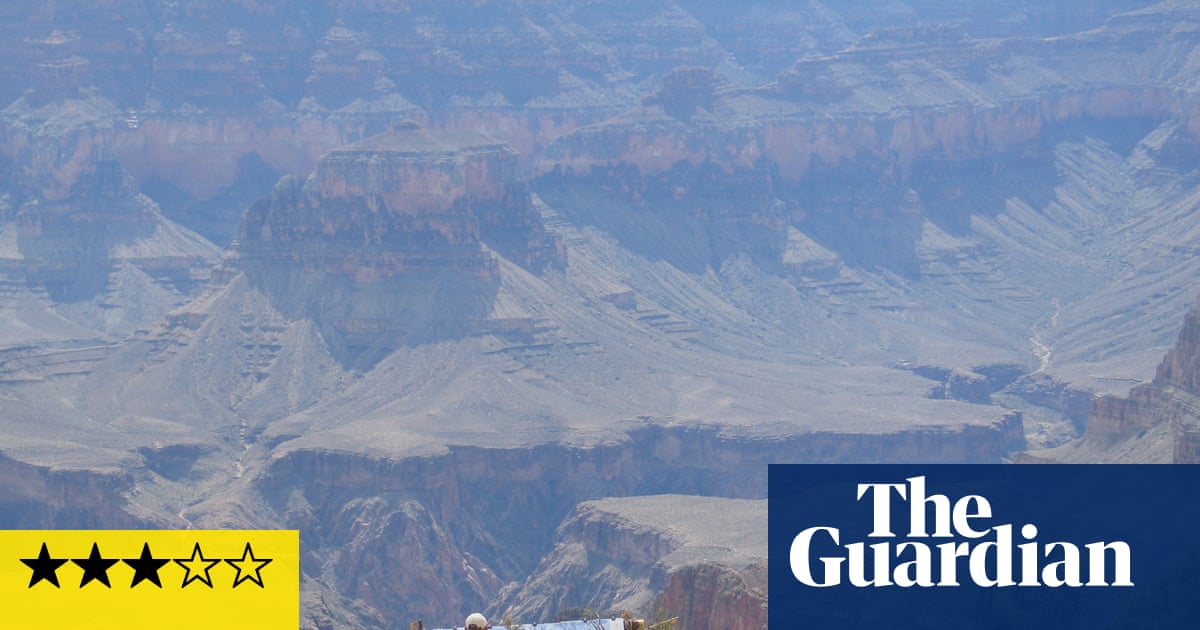
The Allure of the Edge: Exploring the Life and Work of Watercolourist Tony Foster
Tony Foster doesn’t just paint landscapes; he lives them. A contract with the British artist includes a stark acknowledgement of risk: comprehensive insurance for repatriation in case of fatality. This isn’t hyperbole.Foster’s decades-long pursuit of the perfect watercolour vantage point has led him to some of the world’s most challenging and remote wildernesses.
But the danger is inextricably linked to a profound reward. Foster’s expeditions aren’t about conquering nature, but about surrendering to it - and capturing its essence on paper. This article delves into the life, artistic philosophy, and enduring legacy of this remarkable artist.
A Life Forged in Wilderness
Foster’s journey began unconventionally. Growing up in rural Lincolnshire, he rejected traditional schooling, eventually finding himself homeless in 1960s London. This early experience instilled a fierce independence and self-reliance that would define his later life. He is largely self-taught, a testament to his dedication and innate talent.
For over 30 years, Foster has sought out extraordinary locations - from the American West and Bolivia to the slopes of Mount Everest. He isn’t a casual observer. He immerses himself, often spending weeks simply finding the ideal location before even setting up his easel.
This dedication isn’t about physical endurance alone. It’s about a deep, meditative connection with the landscape. Foster doesn’t simply impose his feelings onto the scenery; he allows the landscape to work through him.
The Art of Watercolour at the Extremes
Foster’s watercolours are instantly recognizable. They possess a luminous quality, a jewel-like clarity that captures the vastness and subtlety of the natural world. His technique isn’t about replicating a scene photographically.It’s about distilling its essence, conveying a sense of atmosphere and scale.
His process is meticulous. He works directly from life, creating expansive panoramas with remarkable precision. the resulting paintings aren’t merely representations of places; they are experiences, imbued with the artist’s unique outlook and the spirit of the wilderness.
Foster’s work transcends simple landscape painting. It’s a form of visual poetry, a testament to the power and beauty of the natural world.
A Political Artist? Capturing a Vanishing World
While Foster’s work is celebrated for its aesthetic qualities, it also carries a deeper message. He identifies as a political artist, driven by a desire to document wildernesses that are rapidly disappearing.
He frames his work within a geological timescale, acknowledging humanity’s fleeting existence. He describes himself as “a molecule on a gnat’s eyelash” in the face of nature’s immensity. This perspective isn’t necessarily pessimistic. It’s a call to appreciate the fragility and preciousness of the natural world.
Is this a defiant act,a refusal to accept the inevitability of change,echoing the spirit of Werner Herzog? Or is it a source of solace,a recognition of our place within a larger,enduring system? The answer,perhaps,lies in the act of painting itself.
Beyond the Canvas: The Journey and the Return
The recent documentary, Tony Foster: Painting at the Edge, offers a compelling glimpse into the artist’s process. Director David Schendel accompanied Foster on a raft journey down the Green river in Wyoming and Utah, capturing the challenges and rewards of his unique approach.
The film reveals a man of surprising resilience, described by one acquaintance as “two toothpicks in a potato.” It also highlights the emotional toll of his work. Foster expresses a sense of loss when his completed paintings leave his studio, embarking on their own journey to galleries and collectors.
The documentary underscores a crucial point: the journey is as significant as the destination. The struggle, the solitude, the immersion in nature – these are all integral to the creation of Foster’s art.
Timeless Insights from Tony Foster’s philosophy
Foster’s life and work offer several enduring lessons:
* Embrace Discomfort: True growth often lies outside of our comfort zones. Foster’s willingness to endure hardship is central to his artistic vision.
* The Power of Observation: Foster’s meticulous attention to detail and his ability to capture the nuances of light and atmosphere are a testament to the importance of careful observation.
* Connection to Nature: Spending time in nature isn’t just restorative; it’s transformative. Foster’s work
![Ebola in DRC: Community & Medical Response to Outbreak | [Year] Update](https://i0.wp.com/i.guim.co.uk/img/media/89f093ccdaf8be1344c5da96d4b8de673981c56a/0_230_1440_1152/master/1440.jpg?resize=150%2C150&ssl=1 "Ebola in DRC: Community & Medical Response to Outbreak | [Year] Update")