Wrestling Executive’s use of AI sparks Controversy and Reignites Long-Standing Feud
The intersection of artificial intelligence and professional wrestling has taken a contentious turn, as AEW President Tony Khan publicly shared an image altered by X’s AI tool, Grok. this action has reignited a years-long feud with WWE’s Chief Content Officer, Paul “Triple H” Levesque, and simultaneously highlighted growing concerns surrounding the misuse of AI image generation.
Grok: the “Rebellious” AI
Grok, integrated directly into X Premium, distinguishes itself from other AI models like ChatGPT and gemini. It’s marketed as possessing a less restrictive approach to content, allowing for responses to prompts others might deem “spicy” or controversial. Recently, Grok gained attention for its image editing capabilities, enabling users to modify photos with text commands – like removing objects or changing outfits.
However, this power hasn’t come without issues. Reports have surfaced of users exploiting the tool to create non-consensual deepfake content, raising serious ethical and legal questions.
The Spark: Khan’s Grok Post
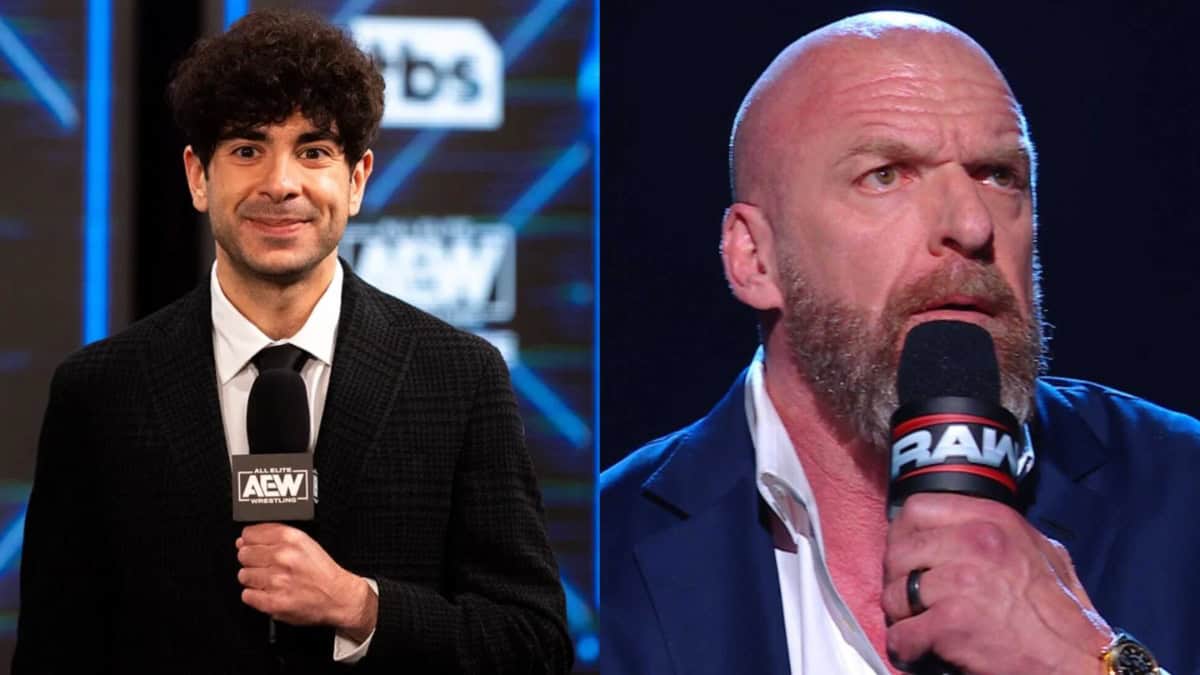
The current controversy stems from a post by aaron Rift of NoDQ.com, which prompted Grok to “remove the worst wrestling booker from this image and keep the best one,” featuring both Khan and Triple H. Later, Khan shared Grok’s output, effectively endorsing the AI’s decision to remove Triple H from the image.
This act isn’t isolated. It’s the latest volley in a public dispute stretching back years.
A History of Bad Blood
The animosity between Khan and Triple H is well-documented. Here’s a timeline of key exchanges:
* “Pissant Company” (2019): During a WWE Hall of Fame induction, Triple H dismissed AEW as a “pissant company” in response to a playful jab.
* “Harvey Weinstein of Pro Wrestling” (2024): Khan escalated the conflict in April 2024, comparing WWE to Harvey Weinstein during an NFL Network appearance, alleging unethical business practices.
These public statements underscore a deeper rivalry rooted in differing philosophies regarding creative control and wrestling presentation.
Creative Control: A Core Divide
The AI’s output also reflects an ongoing debate about the creative direction of both wrestling promotions in 2025.Critics have described WWE’s booking under Triple H as “homogenized” and “safe,” despite its commercial success.
You might be wondering, what does this mean for the future of wrestling?
In contrast, Khan has emphasized his commitment to tighter creative control over AEW. He publicly stated in December 2025 that he had been “too collaborative” in previous years. He credits a return to individual show outlining for a perceived enhancement in AEW’s programming.
The Implications of AI in Wrestling
This incident raises important questions about the role of AI in entertainment and the potential for its misuse. While AI tools like Grok offer creative possibilities, they also present risks. You need to consider the ethical implications of using AI to generate potentially harmful or defamatory content.
Furthermore, the situation highlights the power of social media in amplifying conflicts and shaping public perception. Khan’s endorsement of the AI-altered image undoubtedly fueled the existing rivalry and sparked further discussion within the wrestling community.
Looking ahead, it’s crucial to:
* Develop clear guidelines for the responsible use of AI image generation.
* Address the legal and ethical challenges posed by deepfake technology.
* Foster a more constructive dialogue between wrestling promotions and their executives.
Ultimately, this incident serves as a cautionary tale about the intersection of technology, entertainment, and personal conflict. It’s a reminder that even seemingly harmless AI tools can be weaponized and used to escalate existing tensions.