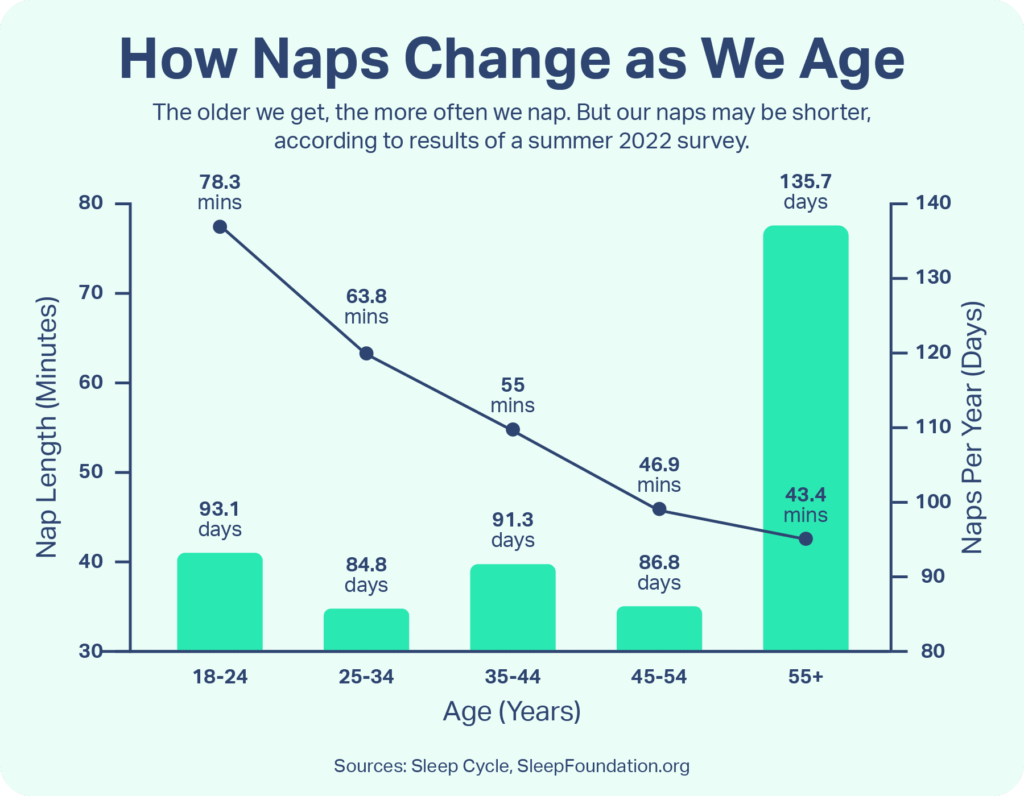
As populations age across the globe, understanding the nuances of healthy aging becomes increasingly important. One area drawing attention from researchers and healthcare providers alike is the impact of daytime napping on older adults. While short rests can offer restorative benefits, emerging evidence suggests that excessive or prolonged napping may carry potential risks for seniors, particularly when it becomes a habitual pattern disrupting nighttime sleep or signaling underlying health concerns.
The relationship between napping and health in older age is complex and not fully understood. Some studies indicate that brief naps can improve alertness and mood, yet others associate frequent, long daytime sleeps with higher risks of cardiovascular issues, cognitive decline, or mortality. This duality makes it essential to examine napping habits not in isolation, but as part of a broader picture of sleep hygiene, lifestyle, and overall well-being in later life.
Recent discussions in medical literature have highlighted the need for clearer guidelines on what constitutes healthy versus risky napping patterns for those over 65. Factors such as nap duration, frequency, timing, and the individual’s baseline health status all play a role in determining whether a nap is beneficial or potentially harmful. As research evolves, so too does the conversation around how older adults can optimize rest without compromising their long-term health.
Understanding the Risks of Excessive Daytime Napping in Seniors
Research indicates that while short naps of 20 to 30 minutes may offer cognitive and emotional benefits for older adults, longer or more frequent daytime sleeping is associated with certain health risks. A study published in the journal Sleep found that adults aged 65 and older who took naps lasting more than one hour had a higher incidence of cardiovascular events compared to those who napped for shorter durations or not at all. The researchers suggested that prolonged daytime sleep might reflect or contribute to disrupted circadian rhythms, which are linked to hypertension, inflammation, and metabolic dysfunction.
Another concern involves the potential connection between excessive napping and cognitive health. Longitudinal data from the Mayo Clinic Study of Aging revealed that older individuals who reported daily naps exceeding 90 minutes were more likely to show signs of mild cognitive impairment over a three-year follow-up period. While the study did not establish causation, researchers noted that extended daytime sleep could be both a symptom and a contributing factor to neurodegenerative processes, possibly due to reduced mental stimulation or altered brain clearance mechanisms during sleep.
frequent long naps may interfere with nighttime sleep quality, leading to insomnia or fragmented rest. This disruption can exacerbate fatigue during the day, creating a cycle where poor nighttime sleep leads to more daytime napping, which further impairs nocturnal rest. The National Institute on Aging emphasizes that maintaining a consistent sleep-wake schedule is crucial for older adults to support hormonal balance, immune function, and emotional regulation.
When Napping May Signal an Underlying Health Issue
In some cases, an increase in daytime napping among older adults is not merely a habit but a potential indicator of an undiagnosed medical condition. Conditions such as sleep apnea, depression, chronic pain, or neurodegenerative diseases like Alzheimer’s can manifest through excessive daytime sleepiness. The American Academy of Sleep Medicine advises that any sudden change in napping patterns—particularly if accompanied by fatigue, mood changes, or cognitive shifts—should prompt a consultation with a healthcare provider.
For instance, untreated obstructive sleep apnea is common in older populations and often presents with loud snoring, gasping during sleep, and unrefreshing rest, leading individuals to seek compensation through daytime naps. Similarly, depression in later life may present with lethargy and increased sleep need, which can be mistaken for normal aging. Identifying and treating these underlying issues is essential, as resolving them often improves both sleep quality and overall vitality.
Medication side effects also warrant consideration. Certain prescriptions commonly used by seniors—such as antihypertensives, benzodiazepines, or anticholinergics—can cause drowsiness or alter sleep architecture. A review in Drugs & Aging highlighted that polypharmacy, defined as the use of five or more medications, significantly increases the risk of excessive daytime sedation in adults over 70. Healthcare providers are encouraged to regularly assess medication regimens to minimize unintended sedative effects.
Guidelines for Healthy Napping Habits in Older Adults
Given the potential risks associated with excessive or poorly timed napping, experts recommend adopting mindful rest practices that support, rather than hinder, healthy aging. The Sleep Foundation suggests that if napping is desired, it should be limited to early afternoon—ideally before 3 p.m.—to avoid interfering with melatonin production and nighttime sleep onset. Naps lasting 20 to 30 minutes are generally considered optimal for boosting alertness without entering deep sleep stages that can cause grogginess upon waking.
Creating a conducive environment for rest is also important. A quiet, dimly lit space with a comfortable temperature can enhance the quality of a short nap. Older adults are advised to avoid napping in bed if it risks blurring the psychological association between the bed and nighttime sleep, which could worsen insomnia. Instead, using a recliner or couch for daytime rest may help maintain clear boundaries between sleep and wakefulness.
addressing lifestyle factors that contribute to daytime fatigue can reduce the perceived need for prolonged napping. Regular physical activity, exposure to natural light, and engagement in social or cognitively stimulating activities have all been shown to improve sleep quality and daytime energy levels in older adults. The World Health Organization recommends that seniors engage in at least 150 minutes of moderate-intensity aerobic activity per week, alongside muscle-strengthening exercises, to support both physical and mental health.
What Which means for Caregivers and Healthcare Providers
For those supporting older adults—whether family caregivers or healthcare professionals—observing napping patterns can offer valuable insights into a person’s well-being. Rather than viewing daytime sleep as inherently positive or negative, We see more productive to consider it as one data point among many, including nighttime sleep quality, mood, cognition, and physical activity levels.
Caregivers are encouraged to track changes in nap duration or frequency, especially if they emerge suddenly or are accompanied by other symptoms such as confusion, irritability, or decreased appetite. Sharing these observations with a primary care physician can aid in early detection of conditions like delirium, infection, or metabolic imbalance. In clinical settings, tools such as the Epworth Sleepiness Scale or sleep diaries may be used to objectively assess daytime somnolence and guide further evaluation.
the goal is not to eliminate napping entirely, but to ensure it serves a restorative purpose without masking or worsening health issues. By promoting balanced sleep hygiene and remaining attentive to shifts in behavior, older adults and their support networks can foster healthier routines that enhance quality of life in later years.
As research continues to explore the intricate connections between sleep, aging, and health, staying informed through reliable sources such as the National Institutes of Health’s National Institute on Aging sleep resources or peer-reviewed journals like JAMA Network Open can help individuals make evidence-based decisions. For those seeking personalized advice, consulting a sleep specialist or geriatrician remains the best path toward tailored recommendations.
We invite readers to share their experiences or questions about healthy sleep habits in older age in the comments below. If you found this information helpful, please consider sharing it with others who might benefit.
Related reading