
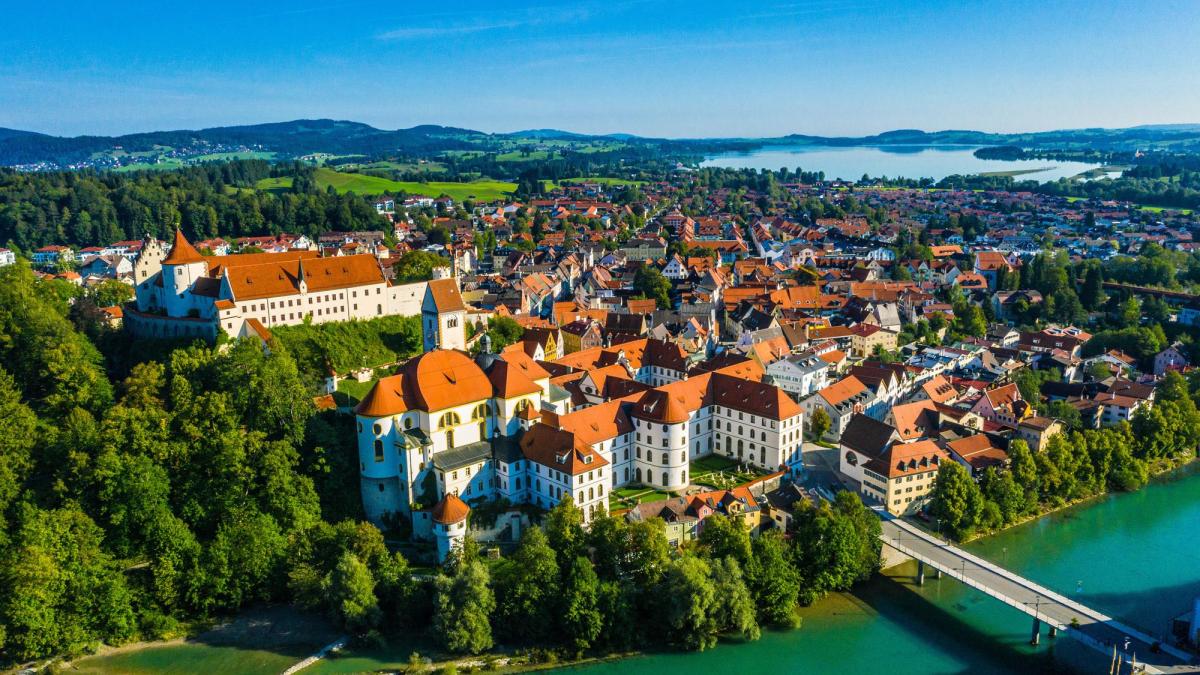
In the era of the “Instagrammable” vacation, the map of global tourism is increasingly being redrawn not by traditional guidebooks, but by the sheer volume of digital footprints. For the small Bavarian town of Füssen, situated in the foothills of the Alps in the Allgäu region, this digital visibility has reached a pinnacle. A recent ranking based on Instagram data identifies Füssen as the most photographed small town in Germany, cementing its status as a premier destination for the visually driven modern traveler.
The town’s ascent to the top of the digital leaderboard is less a surprise to those familiar with Bavarian geography and more a testament to the enduring power of fairytale architecture. While many small towns offer quaint charm, Füssen possesses a specific, high-impact visual currency that translates perfectly to a square-crop social media feed. By capturing the intersection of dramatic mountain peaks, crystalline lakes, and royal opulence, the town has become a global shorthand for German romanticism.
This phenomenon is not merely about aesthetics; it reflects a broader shift in how destinations are marketed and consumed. When a location becomes the most photographed small town in Germany, it creates a feedback loop: high visibility leads to more visitors, who in turn produce more content, further amplifying the town’s reach. For Füssen, this cycle is anchored by its proximity to some of the most iconic structures in the world, turning a quiet Allgäu outpost into a digital landmark.
The Neuschwanstein Effect: Architecture as Digital Currency
The primary engine behind Füssen’s Instagram dominance is undoubtedly the presence of the royal castles of Hohenschwangau and Neuschwanstein. Neuschwanstein, in particular, serves as a global magnet. Built by King Ludwig II in the late 19th century, the castle’s soaring turrets and dramatic cliffside perch provide the exact kind of “hero shot” that drives social media engagement. Its influence is so profound that it is widely cited as the inspiration for Disney’s Sleeping Beauty Castle, bridging the gap between historical reality and cinematic fantasy.
For the digital traveler, the castle is not just a historical site but a backdrop. The specific vantage points—most notably the Marienbrücke (Mary’s Bridge)—have become standardized “must-have” photos. This standardization of the tourist experience means that thousands of visitors are seeking the exact same frame, contributing to the massive volume of posts that propelled Füssen to the top of the rankings. The visual narrative of Neuschwanstein—white stone against deep green forests and blue Alpine skies—is a color palette that consistently performs well across social media algorithms.
Beyond the main castle, the nearby Hohenschwangau Castle adds another layer of visual depth. While less globally recognized than Neuschwanstein, its yellow facades and lakeside setting offer a softer, more intimate version of Bavarian royalty. Together, these sites transform the area surrounding Füssen into a concentrated zone of high-value imagery, ensuring that almost every visitor leaves with a gallery of photos that reinforce the town’s status as a visual powerhouse.
Analyzing the Ranking: Füssen vs. Winterberg
The data driving these rankings reveals a fascinating competition between different types of German tourism. While Füssen takes the top spot, often cited with hundreds of thousands of posts, the second-place position is frequently held by Winterberg in North Rhine-Westphalia. The contrast between these two towns highlights the two primary drivers of German “instagrammability”: royal heritage and seasonal adventure.

Winterberg’s popularity is heavily tied to its identity as a premier winter sports destination. Its peaks and snowy landscapes provide a different, yet equally potent, visual appeal. However, Füssen’s appeal is more perennial. While Winterberg peaks in the colder months, Füssen’s draw remains consistent throughout the year—from the spring blooms in the Allgäu meadows to the autumn colors surrounding the castles. This year-round versatility allows Füssen to accumulate a higher total volume of posts over time.
The disparity in post counts similarly suggests a difference in international reach. While Winterberg is a beloved destination for domestic travelers and those from neighboring European countries, Füssen—via Neuschwanstein—is a bucket-list item for travelers from Asia and North America. This global footprint significantly inflates the number of tags and location markers associated with the town, pushing it past its domestic competitors.
The Allgäu Landscape: More Than Just Castles
While the castles provide the headline attraction, the broader Allgäu region provides the supporting atmosphere that sustains Füssen’s popularity. The town is situated in a landscape characterized by the “Seenparadies” (paradise of lakes) and the imposing presence of the Bavarian Alps. This natural diversity allows photographers to move beyond the castles and capture the authentic, rustic side of Bavaria.
The Forggensee, a large reservoir nearby, offers opportunities for water-based photography and scenic boat trips, while the surrounding hiking and biking networks provide vistas of the Ammergau Alps. The town itself, with its romantic vintage town (Altstadt), offers the traditional “Gemütlichkeit” (coziness) that international tourists associate with Germany: cobblestone streets, colorful facades, and traditional signage. These elements provide the “lifestyle” content that complements the “monument” content of the castles, creating a comprehensive visual story of the region.
Füssen’s status as a Kneippheilbad (a health resort based on the hydrotherapy of Sebastian Kneipp) adds a layer of wellness and nature-centric appeal. The integration of health, history, and hiking makes the town a multifaceted destination, ensuring that the content produced there isn’t one-dimensional. Whether it is a shot of a mountain trail on the Tegelberg or a quiet moment in a town square, the variety of scenery keeps the digital feed fresh.
The Impact of Digital Fame on Local Tourism
Being crowned the most photographed small town in Germany is a double-edged sword. On the positive side, the organic marketing provided by millions of Instagram users is invaluable. It reduces the need for traditional advertising and places Füssen on the map for a younger, tech-savvy demographic that relies on social proof before booking a trip. This influx of visitors supports local hotels, restaurants, and artisans, fueling the town’s economy.
However, “Instagram tourism” also brings the challenge of overtourism. When a specific spot—like the Marienbrücke—becomes a viral necessity, it can lead to extreme congestion. The pressure on local infrastructure increases, and the “authentic” experience that many travelers seek can be diluted by the crowds seeking the perfect shot. Local authorities in Füssen and the surrounding region must balance the economic benefits of this visibility with the need to preserve the environmental and social integrity of the town.
To manage this, there is an increasing emphasis on diversifying the tourist experience. By promoting lesser-known trails, such as the Tegelbergsteig or the various cycling paths through the Allgäu, tourism boards can encourage visitors to spread out, reducing the pressure on the primary “photo spots” while introducing travelers to the deeper beauty of the region. This strategy not only protects the environment but also encourages a more mindful form of tourism that goes beyond the digital surface.
Practical Guidance for the Digital Traveler
For those planning a visit to Füssen to capture its renowned beauty, timing and preparation are key. To avoid the heaviest crowds at Neuschwanstein, early morning visits are highly recommended. The light is often softer, and the queues for the most popular vantage points are shorter. Utilizing the local shuttle services and the official castle booking systems is essential to ensure a smooth experience.

Visitors should also glance beyond the castles to find the town’s quieter charms. The romantic Altstadt is best explored on foot, where the architecture reflects centuries of Bavarian history. For those seeking nature, the hiking paths around the Tegelberg offer panoramic views that are often just as stunning as the castle vistas but far less crowded. Following local advisories regarding road closures or bridge renovations—such as the ongoing work on the König-Ludwig-Brücke—can help travelers avoid unexpected delays.
Key Takeaways for Visitors
- Primary Draw: Neuschwanstein and Hohenschwangau castles are the main drivers of the town’s visual fame.
- Best Vantage Point: The Marienbrücke offers the iconic view of Neuschwanstein, though it is often the most crowded.
- Beyond the Castles: Explore the Forggensee and the Tegelberg for diverse Alpine landscapes.
- Strategic Timing: Visit early in the morning to capture photos without the peak crowds.
- Sustainable Travel: Use local shuttle buses and explore the Altstadt to support the local economy and reduce congestion.
As social media continues to evolve, the metrics of a town’s success may shift from post counts to engagement rates or “hidden gem” status. However, for now, Füssen stands as the gold standard for the digitally discoverable German town. Its ability to blend historical grandeur with natural beauty ensures that it will remain a favorite for photographers and travelers alike for years to come.
The next major update for visitors will be the completion of the König-Ludwig-Brücke renovations, expected by late August 2026, which will restore full traffic flow to one of the town’s key access points. We encourage travelers to share their own experiences and photos of the Allgäu region in the comments below.