
Drivers in several U.S. states are increasingly encountering high-cost toll corridors, according to recent data on infrastructure funding and privatized transit. As transportation agencies struggle with aging infrastructure and budget shortfalls, the rise of dynamic pricing on managed lanes has sparked a national debate over the balance between traffic congestion relief and the equitable access to public highways. Texas, Georgia, and Ohio are among the states where tolling structures have drawn scrutiny from commuters and policy analysts alike.
The core of the issue lies in the transition from traditional fixed-rate tolls to “dynamic” or “congestion” pricing, where costs fluctuate based on real-time traffic volume. While state departments of transportation argue these systems reduce commute times for those willing to pay, critics point to the growing financial burden on the average taxpayer. According to the Federal Highway Administration, the implementation of tolling projects increasingly relies on public-private partnerships (P3s), which often involve long-term contracts that dictate how and when rates can be adjusted.
The Mechanics of Dynamic Toll Pricing
Dynamic pricing models are designed to maintain a specific speed on express lanes by raising prices as demand increases. In states like Texas, where the Texas Department of Transportation oversees extensive managed lane networks, these systems are intended to provide a reliable travel alternative to congested general-purpose lanes. However, the lack of a price ceiling in some contracts means that during peak periods, the cost to use a single corridor can reach levels that exceed the daily budget of many commuters.
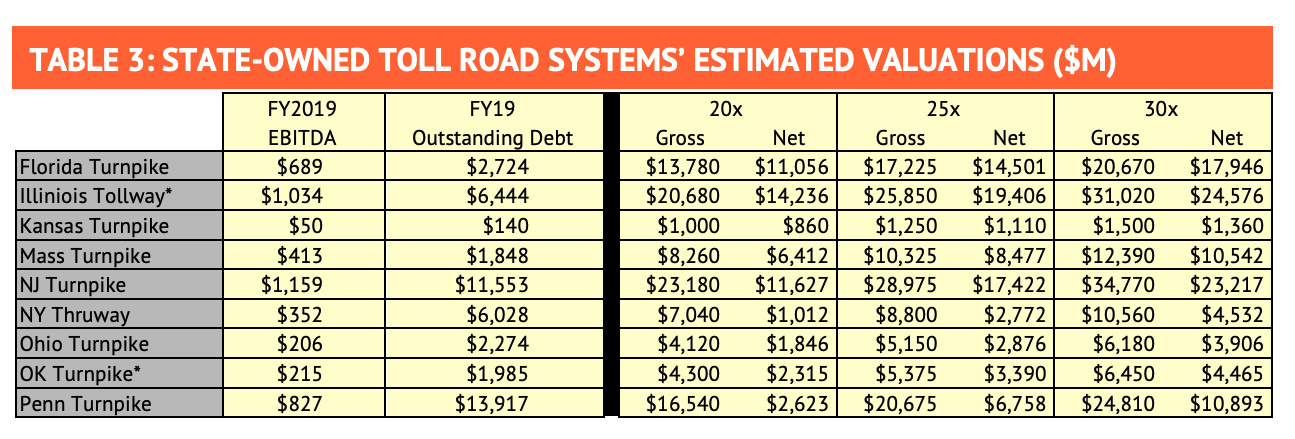
Research published by the Reason Foundation indicates that the shift toward these high-cost corridors is often driven by the need to finance massive construction projects without raising fuel taxes. Because fuel taxes have not kept pace with inflation or the rise of electric vehicles, states have turned to toll revenue bonds to bridge the funding gap. This financial strategy effectively shifts the cost of highway maintenance from the general tax base to the specific users of those lanes.
Impact on Commuter Equity
The debate over toll corridors centers on whether public infrastructure should be accessible to all regardless of income. In Ohio, the Ohio Turnpike and Infrastructure Commission has faced ongoing discussions regarding the impact of rate hikes on regional logistics and local workforce mobility. When toll rates become prohibitive, lower-income drivers are often pushed back into congested, non-tolled lanes, which can increase overall travel times for the entire metropolitan area.
Sociologists and urban planners suggest that these corridors can create a “two-tier” transportation system. A study by the Brookings Institution highlights that in regions where public transit options are limited, the reliance on toll-funded highways functions as a regressive tax, disproportionately affecting residents who have no viable alternative but to drive to work. This dynamic is particularly evident in rapidly growing urban centers where infrastructure expansion has failed to keep up with population growth.
Regulatory Oversight and Future Developments
State legislatures are beginning to respond to public pressure regarding the transparency of tolling authorities. In Georgia, the State Road and Tollway Authority operates express lanes that use dynamic pricing to manage traffic flow on major interstates. Recent legislative sessions in various states have seen proposals to mandate greater oversight of how these tolls are set and how the resulting revenue is allocated, particularly concerning the profit margins of private operators involved in the maintenance and management of these roads.
The next major checkpoint for these policies will occur during the upcoming legislative budget hearings in early 2025, where lawmakers are expected to review the performance of current managed lane contracts. Transparency requirements, such as public disclosure of toll revenue usage and contract negotiation terms, remain a primary focus for transportation advocacy groups. Readers are encouraged to monitor their state’s Department of Transportation websites for upcoming public comment periods regarding proposed toll adjustments.
We invite you to share your experiences with highway tolling in your region in the comments section below. How have these costs affected your daily commute?
Worth a look