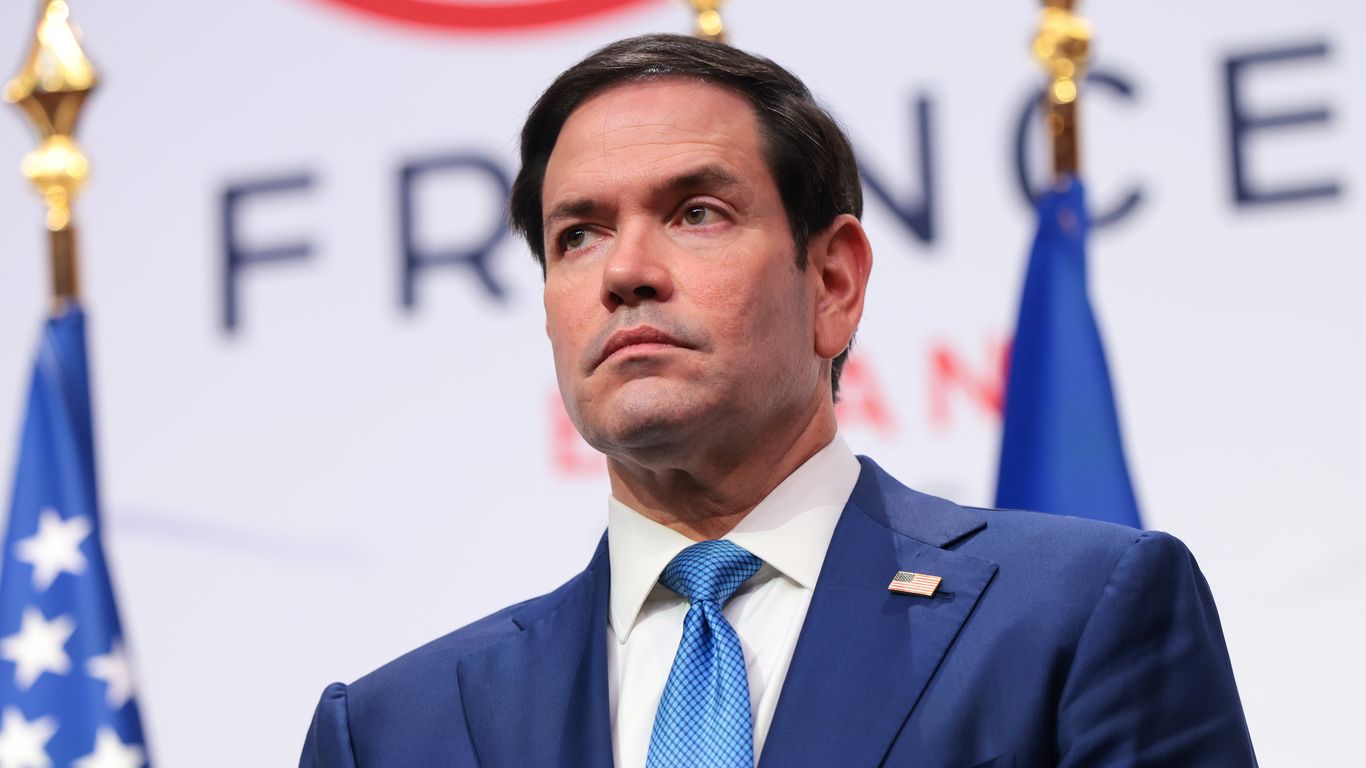
Ranking members of three key congressional committees are calling for an immediate briefing from Secretary of State Marco Rubio regarding a memorandum of understanding (MoU) with Iran. The lawmakers, including Representatives Greg Meeks, Jim Himes, and Adam Smith, are seeking full disclosure on the terms of the U.S.-Iran deal, with specific focus on a $300 billion reconstruction fund, sanctions relief, and enforcement mechanisms for Iran’s nuclear program.
What are the primary demands in the congressional letter to Secretary Rubio?
The ranking members of the House Foreign Affairs, Intelligence, and Armed Services Committees have submitted a three-page letter to the State Department requesting an “immediate” briefing upon their return to Washington, D.C. The lawmakers are demanding more than a verbal summary; they are seeking the complete documentation behind the recent diplomatic developments with Tehran.
According to the letter sent by Representatives Greg Meeks (D-N.Y.), Jim Himes (D-Conn.), and Adam Smith (D-Wash.), the administration must provide the following materials:
- The full text of the memorandum of understanding (MoU).
- Any associated side agreements or implementing arrangements.
- Detailed information regarding the administration’s strategy for negotiating and implementing future agreements with Iran.
The lawmakers expressed concern regarding the level of communication between the executive branch and legislative oversight bodies. The letter states that for more than 15 weeks, the administration has left both Congress and the American public “in the dark” regarding what the representatives described as a “war of choice” that has resulted in strategic failures and costs to Americans.
Why is the $300 billion reconstruction fund under scrutiny?
A central component of the congressional inquiry involves the financial implications of the MoU, specifically a $300 billion “reconstruction” fund designated for Iran. Lawmakers are seeking clarity on how this capital will be managed and what economic concessions were made to facilitate the deal.
The committee members are questioning the specific commitments made by the administration regarding frozen Iranian assets. They are also asking for details on sanctions relief and whether the administration has issued waivers related to the sale or purchase of Iranian oil. The intersection of diplomatic progress and massive capital reallocation is a primary concern for the oversight committees, as the scale of the fund could significantly alter regional economic dynamics.
The investigation into this fund aims to determine if the administration’s turn toward diplomacy included implicit or explicit promises to release assets that were previously frozen under international sanctions regimes. Understanding these financial mechanics is essential for assessing the long-term viability of the agreement and its impact on U.S. economic leverage.
What security concerns are driving the demand for a briefing?
Beyond the financial aspects, the ranking Democrats are focused on the geopolitical security implications of the MoU. The briefing requested by Meeks, Himes, and Smith is expected to address several critical areas of Middle East stability and non-proliferation.
The lawmakers have requested that Secretary Rubio address the following security-related questions:
- Nuclear Program Enforcement: What specific mechanisms are in place to ensure Iran adheres to limits on its nuclear program?
- Proxy Militias: Will the agreement place limitations on Iran’s support for various proxy militias operating across the Middle East?
- Ballistic Missile Program: Does the MoU include restrictions on Iran’s development and deployment of ballistic missiles?
- Regional Conflicts: What side-agreements, if any, exist regarding the ongoing conflict between Israel and Hezbollah?
By focusing on these areas, the committees aim to determine if the memorandum of understanding provides a robust framework for regional stability or if it creates new vulnerabilities by easing pressure on Iran’s military and proxy capabilities.
How has the State Department responded to these requests?
The State Department has defended the administration’s conduct regarding the Iran negotiations and its communication with Congress. In a statement provided to Axios, State Department spokesperson Tommy Pigott asserted that the administration has maintained a standard of transparency.
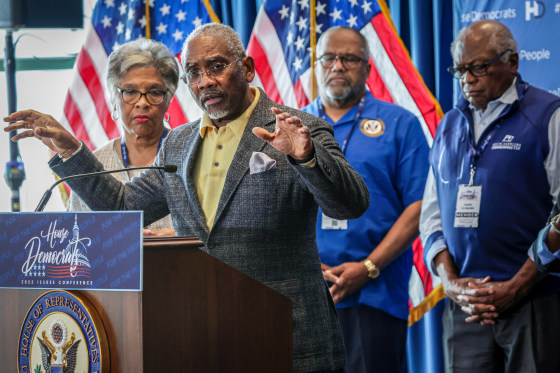
“The Trump administration has routinely briefed Congress and provided transparent updates directly to the American people,” Pigott stated. He further noted that the administration’s current trajectory is intended to enhance regional security, adding, “President Trump’s actions to prevent the Iranian regime from obtaining a nuclear weapon have made us all safer.”
While the State Department maintains that its actions are proactive and transparent, the lawmakers’ demand for the “full text” of the MoU suggests a perceived gap between the administration’s briefings and the level of detail required for effective congressional oversight.
Key Takeaways of the Congressional Demand
- Immediate Briefing Requested: Ranking members of the Foreign Affairs, Intelligence, and Armed Services Committees want a meeting with Secretary Rubio upon their return to D.C.
- Document Demands: Lawmakers are seeking the full text of the U.S.-Iran MoU and all side agreements.
- Financial Scrutiny: A $300 billion reconstruction fund and the status of frozen Iranian assets are under investigation.
- Security Focus: Questions remain regarding Iran’s nuclear program, ballistic missiles, and support for regional proxy militias.
- Administration Stance: The State Department maintains that it has been transparent and that current policies increase national security.
The next expected development in this matter will be the return of the ranking members to Washington, D.C., where they intend to formally press the State Department for the requested documentation and briefing.
What are your thoughts on the level of transparency required for major international deals? Let us know in the comments below and share this article with your network.
Related reading