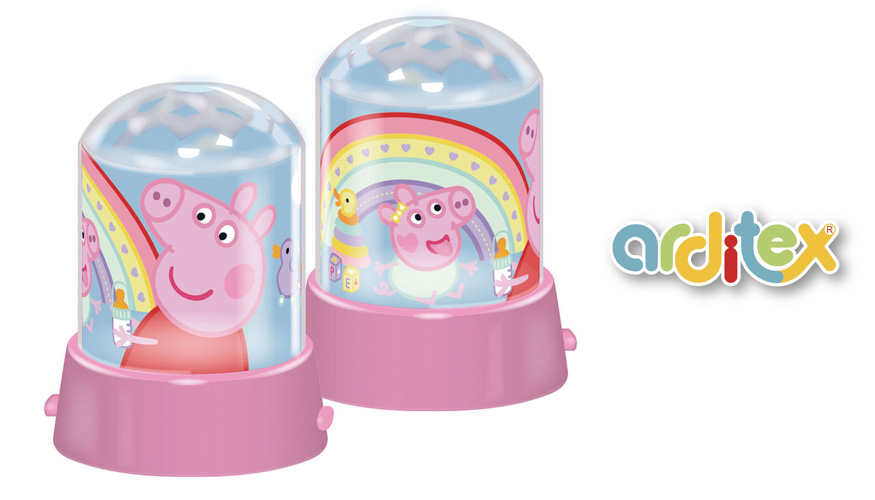
The global licensing industry continues to evolve as brands increasingly leverage intellectual property to drive consumer engagement and diversify revenue streams. As of 2024, the licensing market remains a cornerstone of retail strategy, with companies focusing on cross-category product development to maintain relevance in a competitive macroeconomic environment. Recent market data from the Licensing International Global Licensing Industry Study indicates that the sector is shifting toward digital-first collaborations and sustainable product lines, reflecting broader shifts in consumer purchasing behavior.
Licensing acts as a bridge between established intellectual property—ranging from entertainment franchises to corporate brands—and tangible consumer goods. By utilizing established brand equity, retailers and manufacturers aim to reduce the risks associated with launching new products. This model is particularly prevalent in sectors such as apparel, toys, and home goods, where brand recognition serves as a primary driver for impulse purchases and long-term brand loyalty.
Strategic Integration of Brand Licensing in Retail
Retailers are currently prioritizing “lifestyle licensing,” where a brand’s aesthetic or values are applied across a wider array of household products. According to the World Intellectual Property Organization (WIPO), the protection of intangible assets through licensing agreements has become a critical component of corporate valuation. Companies that successfully manage their portfolios can extend their market reach without the capital expenditure typically required for internal manufacturing or distribution expansion.

The process involves strict contractual frameworks that dictate how a brand is represented, ensuring that the licensee maintains the quality standards expected by the licensor. This relationship is governed by royalty structures, which generally range between 5% and 15% of net sales, depending on the strength of the brand and the category of the product, as noted in general industry guidelines published by Forbes Business Council. These agreements are essential for protecting the brand’s reputation while providing the licensee with the necessary marketing leverage to compete with private-label alternatives.
Key Trends Shaping Product Development
Innovation in the licensing sector is currently driven by the demand for personalization and sustainability. Consumers are increasingly seeking products that align with their personal values, leading to a rise in “eco-licensed” goods. Brands are responding by partnering with manufacturers that utilize recycled materials or ethical supply chains, ensuring that the licensed product does not dilute the brand’s commitment to corporate social responsibility.

Another significant trend is the rise of “micro-licensing,” where brands collaborate with social media influencers or niche creators for limited-edition drops. This strategy creates a sense of scarcity and urgency, which is highly effective in the digital-native retail space. By moving away from traditional long-term licensing toward agile, campaign-based partnerships, companies can respond more effectively to shifting market trends and consumer feedback loops.
Operational Challenges and Risk Mitigation
Despite the potential for high returns, the licensing model is not without risks. Over-saturation of a brand can lead to “brand fatigue,” where consumers lose interest due to the ubiquity of products. Furthermore, legal complexities regarding territory rights and digital usage can complicate international expansion. Maintaining a balance between brand exposure and exclusivity remains the primary challenge for brand managers.
Legal experts emphasize the importance of comprehensive auditing in licensing agreements. As reported by the International Trademark Association (INTA), clear definitions of “quality control” and “territorial scope” are non-negotiable for preventing litigation and brand dilution. Companies are encouraged to conduct regular reviews of their licensing portfolios to ensure that all active agreements continue to align with the brand’s long-term strategic goals.
Future Outlook for the Licensing Ecosystem
The next phase of the licensing industry will likely be defined by advancements in artificial intelligence and data analytics. Brands are using consumer insights to identify which products to license and which demographics to target, moving away from intuition-based decision-making. This data-driven approach allows for more precise product placement, reducing unsold inventory and improving overall profit margins.

As the market moves into the next fiscal quarter, stakeholders are watching for updates on cross-border regulatory changes that may impact international royalty payments. Industry participants should monitor the World Intellectual Property Organization official portal for updates on international trademark protocols and licensing best practices. For those involved in the sector, maintaining a robust, legally sound, and consumer-focused strategy is essential for navigating the complexities of modern retail.
We invite our readers to share their insights on the evolving landscape of brand licensing in the comments section below. How are changing consumer preferences influencing your business strategy? Join the conversation as we continue to track these developments in the global market.