The Sleeping Beauty mine in Globe, Arizona, remains a globally recognized source of high-quality turquoise, prized for its distinct robin’s-egg blue coloration and minimal matrix. While commercial production for the jewelry market has shifted significantly since the mine largely ceased turquoise-focused operations in the early 2010s, the material continues to hold a prominent position in mineralogical collections and the international gemstone trade. Collectors and enthusiasts frequently seek out authentic specimens from this location, noting its historical significance within the American Southwest’s mining industry.
According to the United States Geological Survey (USGS), Arizona has historically been one of the most prolific producers of turquoise in the United States, with the Sleeping Beauty deposit serving as a primary contributor to the market for decades. The mine, situated in Gila County, gained international fame because its stone often required little to no stabilization—a process used to harden porous gems—due to its naturally dense composition. This purity made the material a preferred choice for high-end silversmiths and artisans who value unadulterated, naturally vibrant blue minerals.
The Operational Evolution of the Sleeping Beauty Mine
The Sleeping Beauty mine is primarily known as a copper-producing site. As documented by the Arizona Geological Survey, the turquoise found there is a secondary mineral byproduct of the large-scale copper porphyry deposits. For much of the 20th century, the mine was operated by the Cyprus Miami Mining Corporation, which later transitioned through various ownership structures, including Freeport-McMoRan. The turquoise output was often incidental to the massive copper extraction operations that define the region’s industrial history.
By the early 2010s, the mine’s operators largely discontinued the extraction of turquoise to focus exclusively on copper production. This decision fundamentally altered the supply chain for Sleeping Beauty turquoise. Because the supply is no longer being actively mined for the gemstone market, the material currently circulating in the global trade is primarily derived from existing private stockpiles and estate collections. This scarcity has contributed to a sustained market interest among collectors who prioritize stones with a verified provenance from this specific Arizona site.
Characteristics and Market Value
Authentic Sleeping Beauty turquoise is characterized by a specific light-to-medium blue hue, often described as “sky blue.” Unlike other varieties of turquoise found in the Southwest, which may feature spiderwebbing or heavy dark host rock (matrix), the Sleeping Beauty variety is often prized for its solid, uniform color. The Gemological Institute of America (GIA) notes that while color is a primary factor in valuation, the presence of matrix or specific patterns can significantly influence price points for individual stones depending on the intended use, such as inlay work versus cabochons.
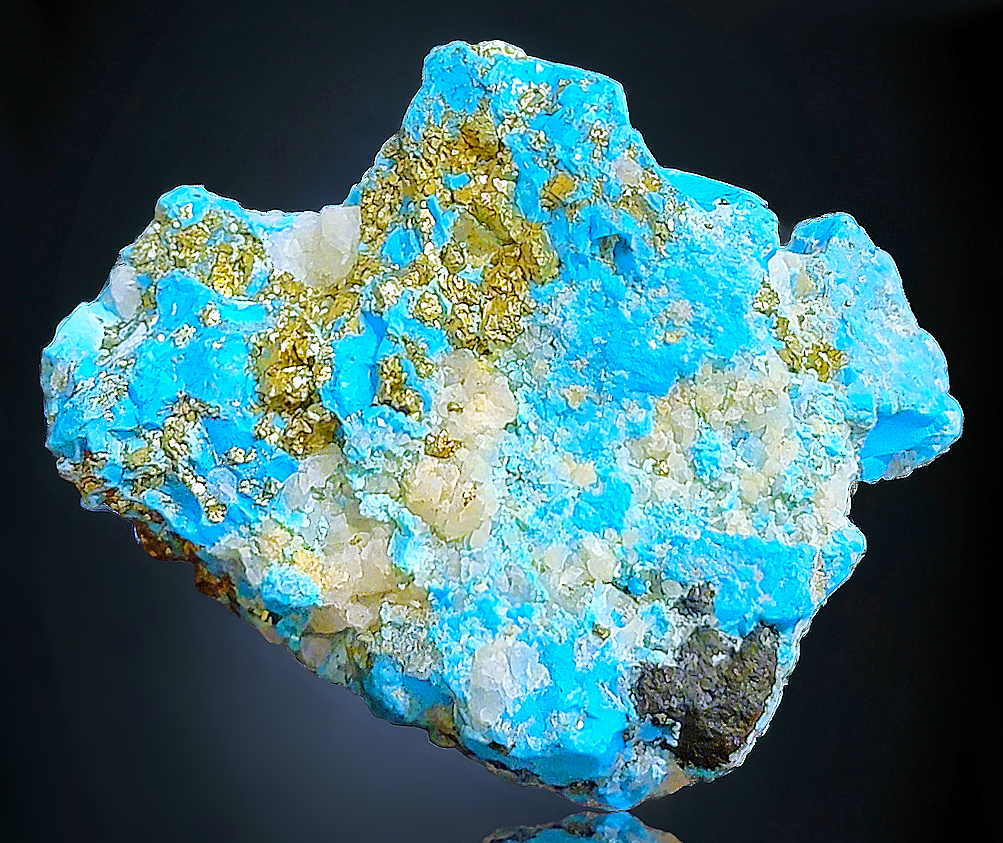
Because the mine is no longer actively producing gem-grade material, the market has seen an increase in synthetic imitations and treated stones labeled as “Sleeping Beauty.” Industry experts emphasize that buyers should look for documentation or purchase from reputable dealers who can provide clear provenance. The value of these stones is currently driven by the intersection of their historical mining status and the aesthetic preferences of contemporary jewelry designers who seek the distinct, clean blue profile that the mine once provided in abundance.
Geological Context and Regional Impact
The geological formation of the Sleeping Beauty deposit is tied to the hydrothermal alteration of copper-bearing rock. According to data provided by the National Park Service, the process involves the percolation of mineral-rich groundwater through host rock, depositing copper and aluminum phosphates that eventually crystallize into turquoise. The specific chemical environment of the Globe, Arizona area provided the exact conditions necessary for the formation of the high-purity, non-porous stones that became the mine’s signature.
This geological phenomenon is not unique to the Sleeping Beauty mine, but the consistency of the output was. Other regional mines, such as the Kingman or Morenci deposits, produce turquoise with different characteristics, such as varied shades of green or more intricate matrix patterns. The distinction between these locales is a critical component of mineralogy and gemology, allowing for the classification and attribution of pieces based on their physical properties and trace mineral content.
Current Market and Future Availability
For those interested in acquiring specimens, the secondary market remains the primary source. Auction houses, mineral shows, and estate sales serve as the current nodes for the transfer of Sleeping Beauty turquoise. As the existing supply from historical stockpiles continues to diminish, the rarity of high-quality, untreated stones is expected to remain a factor in pricing. Collectors are encouraged to consult with accredited gemologists if they are seeking to verify the origin of high-value pieces.

The legacy of the Sleeping Beauty mine remains a case study in the intersection of industrial mining and the gemstone trade. While the site continues to function as a significant contributor to the copper industry in the American Southwest, its role as a source of iconic turquoise has transitioned into the realm of historical mineralogy. Readers interested in the latest updates regarding mineral trade regulations or mining industry reports can monitor filings from the Bureau of Land Management for information on regional land use and extraction policies.
For further developments or to discuss the historical significance of Arizona mining, readers are encouraged to leave comments or share their perspectives on the evolution of the gemstone market. Official updates regarding regional geological surveys are periodically released through state-level reporting channels.