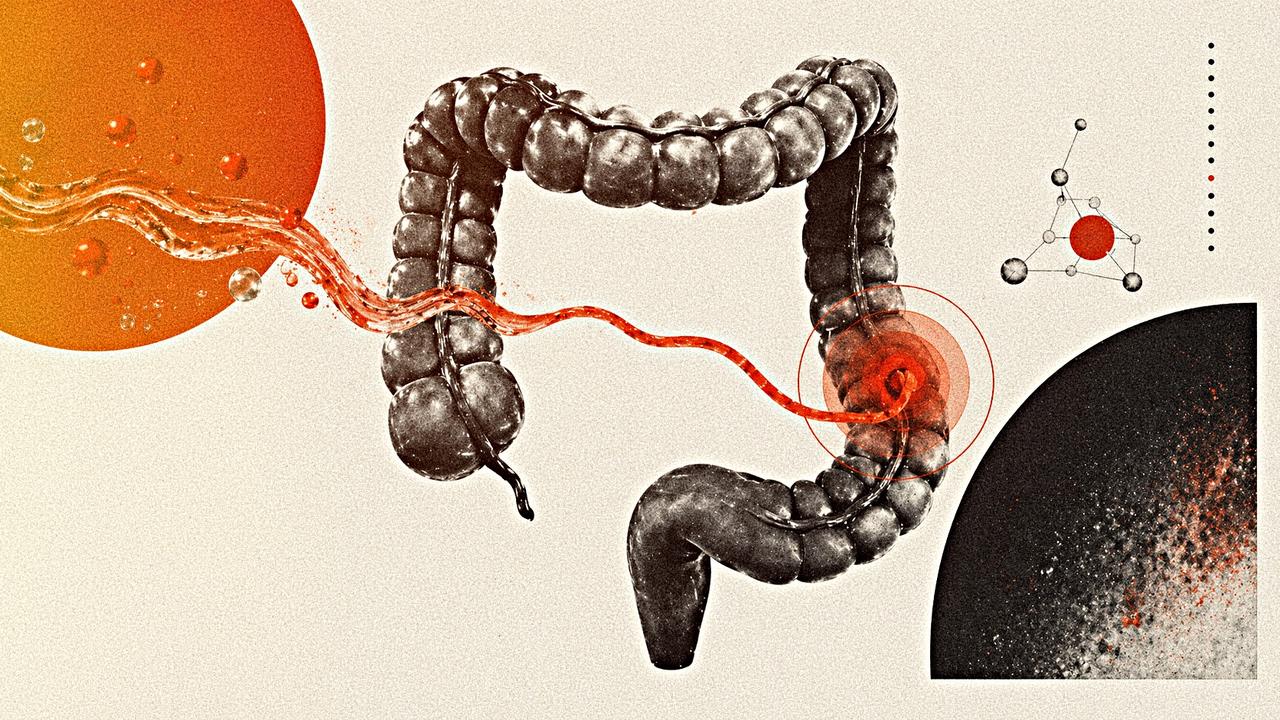
Colorectal cancer rates among adults under 50 are rising globally, prompting urgent investigation into environmental factors that may be driving this trend. Recent research has highlighted a potential link between long-term exposure to certain herbicides in drinking water and increased risk of early-onset colorectal cancer. As public health officials and researchers work to understand this shift, the findings underscore the importance of monitoring environmental contaminants and their possible role in gastrointestinal malignancies.
The increase in colorectal cancer diagnoses among younger adults has been documented across multiple countries, with studies showing a steady rise in incidence since the 1990s. While screening programs have traditionally focused on individuals aged 50 and older, the growing burden in younger populations is challenging existing prevention strategies. Lifestyle factors such as diet, obesity, and physical inactivity are known contributors, but researchers are increasingly examining whether exposure to industrial chemicals in water sources could be an additional risk factor.
A major study conducted by researchers in France analyzed data from over 20,000 cases of colorectal cancer diagnosed in individuals under 50 between 2010 and 2020. The investigation focused on geographic patterns of disease incidence and correlated them with levels of agricultural runoff in regional water supplies. Results showed a statistically significant association between prolonged exposure to glyphosate-based herbicides in drinking water and higher rates of early-onset colorectal cancer, particularly in regions with intensive farming activity.
Glyphosate, the active ingredient in many widely used herbicides, has been the subject of ongoing scientific debate regarding its potential health effects. While regulatory agencies such as the European Food Safety Authority (EFSA) and the U.S. Environmental Protection Agency (EPA) have maintained that glyphosate is unlikely to pose a carcinogenic risk to humans at current exposure levels, other bodies, including the International Agency for Research on Cancer (IARC), have classified it as “probably carcinogenic to humans” based on limited evidence from human studies and sufficient evidence from animal studies.
The French study, published in a peer-reviewed environmental health journal, found that individuals living in areas with the highest levels of glyphosate contamination in drinking water had up to a 20% increased risk of developing colorectal cancer before age 50 compared to those in areas with minimal exposure. Researchers adjusted for confounding factors such as age, sex, socioeconomic status, and access to healthcare, suggesting that the observed association was not solely attributable to demographic or lifestyle differences.
Experts caution that while the findings are concerning, they do not prove causation. Observational studies like this one can identify correlations but cannot establish that glyphosate exposure directly causes cancer. Further research, including longitudinal studies and biomarker analysis, is needed to determine whether biological mechanisms exist by which glyphosate might contribute to colorectal carcinogenesis, such as disruption of gut microbiota or induction of chronic inflammation.
In response to these findings, some European countries have begun reevaluating their water quality monitoring protocols to include broader screening for agricultural contaminants. Germany’s Federal Environment Agency (UBA) has announced plans to expand its national groundwater surveillance program to test for a wider range of pesticide residues, including glyphosate and its metabolite AMPA, in regions with high agricultural intensity. Similar initiatives are under consideration in France and the Netherlands, where public concern over water safety has grown in recent years.
Health professionals emphasize that individuals should not panic but remain informed about potential risk factors and participate in recommended screening when appropriate. Symptoms of colorectal cancer can include persistent changes in bowel habits, rectal bleeding, abdominal discomfort, unexplained weight loss, and fatigue. While these signs can also be caused by benign conditions, medical evaluation is advised if they persist for more than a few days.
Screening guidelines vary by country, but many health organizations now recommend that individuals with a family history of colorectal cancer or other risk factors consider earlier screening, sometimes beginning at age 40 or even younger. The U.S. Preventive Services Task Force (USPSTF) recently lowered its recommended starting age for colorectal cancer screening from 50 to 45 for average-risk adults, reflecting growing concern about early-onset disease. Yet, access to screening remains uneven, particularly in low-resource settings and among underserved populations.
Researchers involved in the French study are calling for increased investment in environmental epidemiology to better understand how long-term exposure to low levels of environmental toxins might influence cancer development over time. They advocate for improved water filtration technologies at the municipal level and stronger regulations on pesticide employ near watersheds to reduce potential contamination.
As scientific inquiry continues, the rising incidence of colorectal cancer in younger adults serves as a reminder of the complex interplay between genetics, lifestyle, and environmental exposures in disease etiology. While no single factor explains the trend, identifying modifiable risks—whether dietary, behavioral, or environmental—offers the best opportunity for prevention. Ongoing vigilance, transparent research, and proactive public health policies will be essential in addressing this evolving challenge.
For readers seeking reliable information on colorectal cancer prevention, screening options, and environmental health risks, trusted sources include the World Health Organization (WHO), the American Cancer Society (ACS), and national public health institutes such as Germany’s Robert Koch Institute (RKI) or France’s Santé Publique France. These organizations provide evidence-based guidance and regularly update recommendations based on the latest scientific findings.
Stay informed, consult healthcare providers about personal risk factors, and support policies that promote clean water and sustainable agriculture. The health of future generations may depend on the choices we make today regarding how we produce food and protect our natural resources.
Related reading
- Winter in Mendoza: Respiratory Viruses and Allergy Complications Surge Amid Dry Weather
- Why Heart Attacks Are Hitting Malaysians Younger and the Hidden Risks of LDL-C
- TNA Wrestling Signs Gabby Forza to Knockouts Division (archyde.com)
- Pathos AI Signs Deals with AstraZeneca and Alphamab; Curium to Acquire… (archynewsy.com)