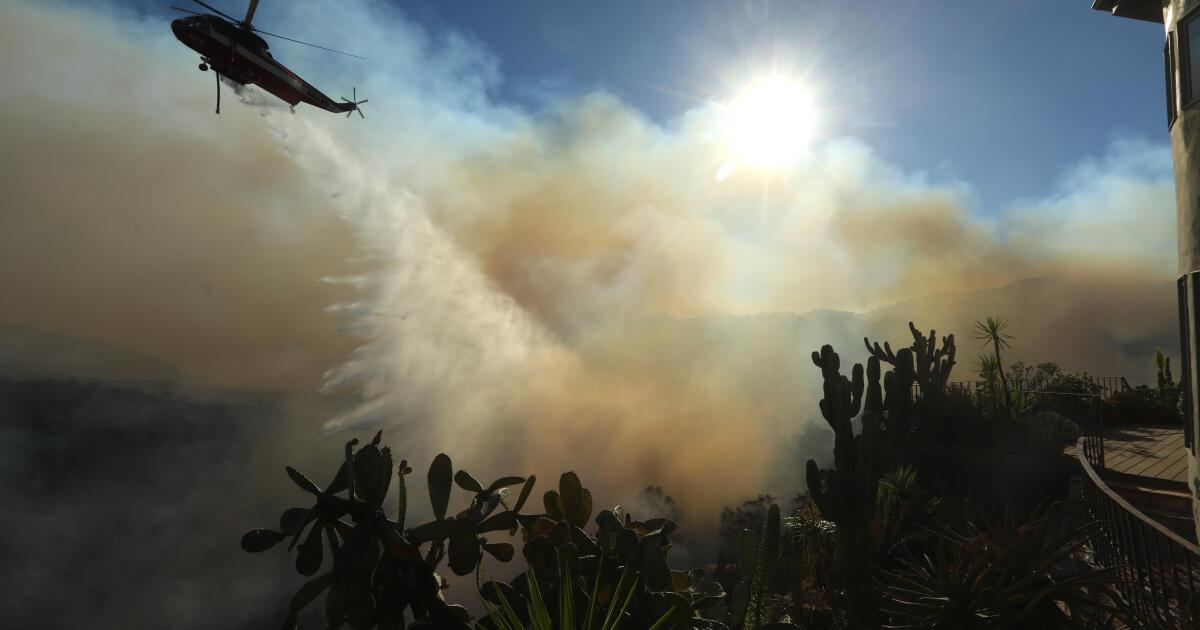
Living with Fire: Protecting Your Home and community in wildfire Country
Wildfire season is a stark reality for many Californians, particularly those living in the wildland-urban interface. Topanga Canyon, nestled in the Santa Monica Mountains, exemplifies this challenge. Residents there are proactively confronting the increasing threat, employing a range of strategies to protect their homes and prepare for potential evacuations. But what does effective wildfire preparedness realy look like, and what choices are homeowners making when faced with escalating risk?
The Growing Challenge of Wildfire risk
California’s wildfires are becoming more frequent and intense. This trend is driven by a combination of factors, including climate change, drought, and overgrown vegetation. Consequently, homeowners in vulnerable areas are increasingly responsible for safeguarding their properties.
You might be wondering what steps you can take to minimize your risk. The answer is multifaceted, ranging from landscape modifications to structural improvements.It’s about understanding your specific vulnerabilities and taking proactive measures.
Home Hardening: A Proactive Defense
One of the most effective strategies is “home hardening” – modifying your home to resist ignition from embers and flames. This isn’t a single project, but a series of improvements. Here’s a breakdown of key areas:
* Roofing: Replace flammable roofing materials (like wood shakes) with fire-resistant options such as metal, tile, or Class A asphalt shingles.
* Vents: Cover all vents with fine metal mesh screens to prevent embers from entering your attic and crawl spaces.
* Siding: Choose fire-resistant siding materials like fiber cement, stucco, or brick.
* Windows: Install dual-pane windows with tempered glass to withstand radiant heat.
* Decks & Porches: Clear combustible materials from under decks and porches, and consider using fire-resistant decking materials.
Ryan Ulyate, a Topanga resident, exemplifies this approach. He’s transformed the area around his home into a defensible space, eliminating brush and flammable plants, and replacing them with gravel and metal sculptures. This creates a buffer zone that significantly reduces the risk of fire spreading to his home.
Defensible Space: Creating a Protective Zone
beyond the structure itself, the area surrounding your home is crucial.Creating “defensible space” involves managing vegetation to reduce fuel for a fire.
consider these guidelines:
* Zone 0 (0-5 feet from the home): This is the most critical zone. Remove all combustible vegetation, including mulch, shrubs, and trees.Use non-flammable materials like gravel or rock.
* Zone 1 (5-30 feet): Reduce vegetation density. Keep grass mowed short,prune trees to remove lower branches,and space shrubs apart.
* Zone 2 (30-100 feet): Continue to reduce vegetation density, focusing on removing dead or dying plants.
Nancy Helms, another Topanga resident, has embraced a unique approach to defensible space. She’s cultivated a “dwarf carpet of stars,” a succulent plant, around a large area of her home. This low-growing, fire-resistant groundcover provides a natural barrier against flames.
The Financial Reality of Fire Protection
Implementing these measures can be expensive. The cost of home hardening and defensible space creation can easily run into the thousands of dollars. This presents a significant challenge for many homeowners, particularly those with limited financial resources.
Some residents, like Najah, find the cost prohibitive. They are left grappling with a arduous decision: invest heavily in fire protection or accept the inherent risk of living in a wildfire-prone area. It’s a tough place to be, and it’s a reality faced by communities across the state.
Looking Ahead: Building for the Future
Wildfire safety experts envision a future where building standards prioritize fire resistance. Structures equipped with life-support systems could possibly withstand even the most extreme conditions.However, these standards are still years away from implementation.
Meanwhile, fire departments must be prepared to respond to wildfires as they occur. This requires ongoing planning, training, and collaboration with communities. It also requires homeowners
Worth a look