Torremolinos Advances Universal Accessibility in Municipal Buildings, Prioritizing Cognitive Inclusion
Torremolinos, a coastal city in Spain’s Málaga province, is making significant strides in ensuring its public buildings are accessible to all citizens, with a particular focus on cognitive accessibility. This initiative, a collaboration between the Torremolinos City Council and the Fundación Autismo Sur (Autism South Foundation), goes beyond simply providing physical access; it aims to create spaces where individuals with diverse needs can navigate, understand, and interact independently. The project underscores a growing global recognition of the importance of inclusive design and the demand to cater to a wider range of cognitive abilities in public spaces. This commitment to universal accessibility is not merely about compliance with regulations, but about fostering a truly inclusive community where everyone can participate fully.
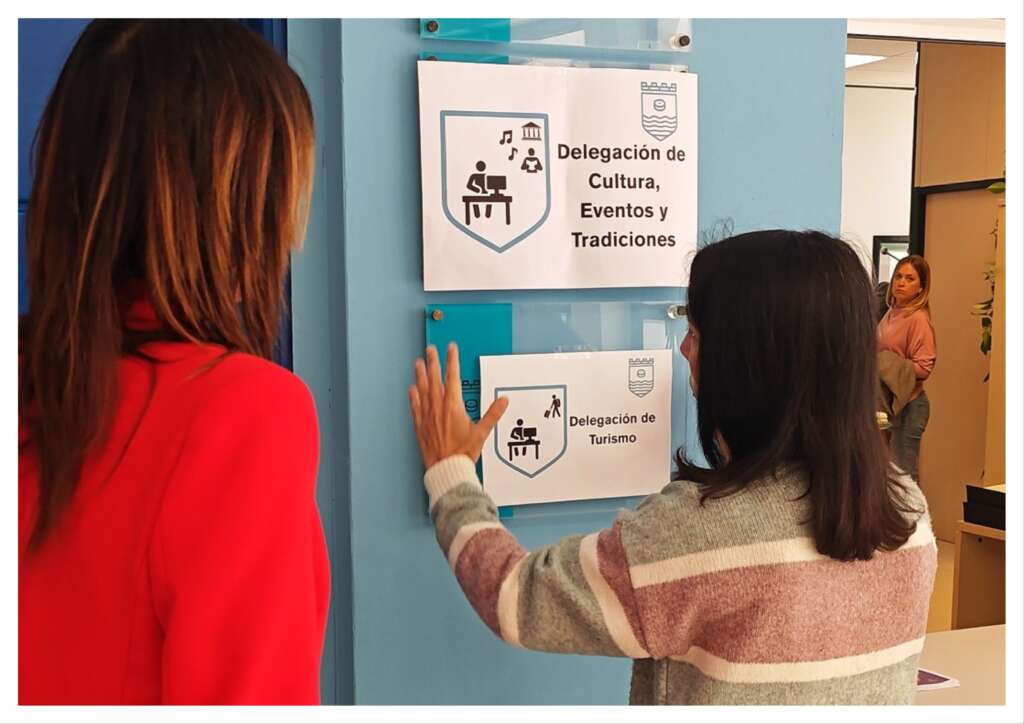
The city’s dedication to accessibility extends to a comprehensive overhaul of signage and wayfinding systems within municipal buildings. Rather than simply ensuring entrances are wheelchair accessible, the focus is on creating an environment that is intuitively understandable for everyone, including individuals with autism, cognitive impairments, or visual impairments. This involves the implementation of clear pictograms, Braille signage, and adherence to rigorous technical criteria, all validated by a dedicated team of individuals with disabilities. The project is part of a broader effort to position Torremolinos as a model for accessibility and inclusion within Spain and beyond. The city council constituted the Local Coordination Table for Urban Accessibility in January, signaling a sustained commitment to these principles.
Collaboration with Fundación Autismo Sur: A Focus on Cognitive Accessibility
The Fundación Autismo Sur is playing a pivotal role in guiding the city’s accessibility improvements. The foundation, which works to promote the rights and inclusion of individuals with autism, is providing expertise in cognitive accessibility – a crucial element often overlooked in traditional accessibility efforts. According to the foundation, “accessibility is not just about being able to enter, it’s about being able to participate.” This philosophy drives the project’s emphasis on creating a user-friendly environment that minimizes confusion and promotes independence. The foundation’s involvement extends to the validation process, ensuring that the implemented solutions are not only legally compliant but also genuinely effective in real-world scenarios.
A key component of the project is the use of a validation team comprised of four individuals with diverse disabilities, all trained in accessibility regulations. This team meticulously reviews the proposed signage and layouts, providing feedback to ensure they meet the needs of a wide range of users. This approach moves beyond simply meeting minimum legal requirements and prioritizes the lived experience of individuals with disabilities. The technical team designing the signage is adhering to the guidelines outlined in the ‘Guide to good practices for accessible signage in buildings,’ published by the Regional Ministry of Social Inclusion, Youth, Families and Equality of Andalusia. This guide provides a catalog of accessible pictograms and establishes clear standards for accessible design.
Implementation and Scope of the Project
The Ayuntamiento de Torremolinos (Torremolinos City Hall) is the first municipal building to undergo this comprehensive accessibility upgrade. The initial phase involves the installation of approximately 40 signs and nearly 20 directories, all designed with clear language, appropriate pictograms, and positioned at accessible heights. The Fundación Autismo Sur has already collected feedback from the validation team and is preparing the final signage for installation. Following the completion of the City Hall project, the accessibility improvements will be rolled out gradually to other municipal spaces throughout Torremolinos. This phased approach allows for continuous evaluation and refinement of the process, ensuring that the solutions are effective and meet the evolving needs of the community.
The ‘Guide to good practices for accessible signage in buildings’ emphasizes the importance of creating a signage system that is comprehensible through symbols and pictograms, correctly positioned to allow individuals, regardless of their cognitive abilities, to orient themselves, move around, communicate, and utilize spaces autonomously. The goal is to prevent disorientation, frustration, discrimination, and social exclusion. This holistic approach to accessibility recognizes that physical access is only one piece of the puzzle; creating a truly inclusive environment requires careful consideration of cognitive and sensory needs.
Broader Context: Accessibility Initiatives and Upcoming Events
Torremolinos’ commitment to accessibility extends beyond its municipal buildings. The city’s cultural and festive events are also designed to be inclusive, safe, and accessible, further solidifying its position as a leader in accessibility policies. The city recently hosted the III National Autism Congress ‘Ciudad de Torremolinos’ on November 29, 2025, at the Palacio de Congresos de Torremolinos. This congress featured presentations from experts in the field, including 12-year-old autism advocate Pau Brunet, and representatives from the Autismo Sur Orientation Team. The congress was part of the III Disability Days of Torremolinos, focusing on educational innovation and understanding autism from the perspective of autistic individuals and effective teaching practices.
Fundación Autismo Sur is organizing a series of training activities under the program ‘Knowledge and Good Practices in Autism,’ featuring renowned specialists such as Pau Brunet, Dafne Santana, Josefina Gibons, and Ernesto Reaño. These sessions, which will take place in Torremolinos and Málaga’s Faculty of Education in November, February, and March, aim to provide valuable insights and training for professionals and individuals working with people on the autism spectrum. The foundation’s Instagram page, with over 4,000 followers, provides updates on these initiatives and other related events.
The ongoing work in Torremolinos exemplifies a growing trend towards more inclusive and accessible urban environments. By prioritizing cognitive accessibility and actively involving individuals with disabilities in the design process, the city is setting a positive example for other municipalities to follow. The next scheduled meeting of the Local Coordination Table for Urban Accessibility is anticipated in the coming weeks, where further progress and future initiatives will be discussed.
As Torremolinos continues to implement these vital accessibility improvements, it reinforces its commitment to creating a welcoming and inclusive environment for all residents and visitors. We encourage readers to share their thoughts on the importance of accessibility and inclusion in the comments below.
Related reading