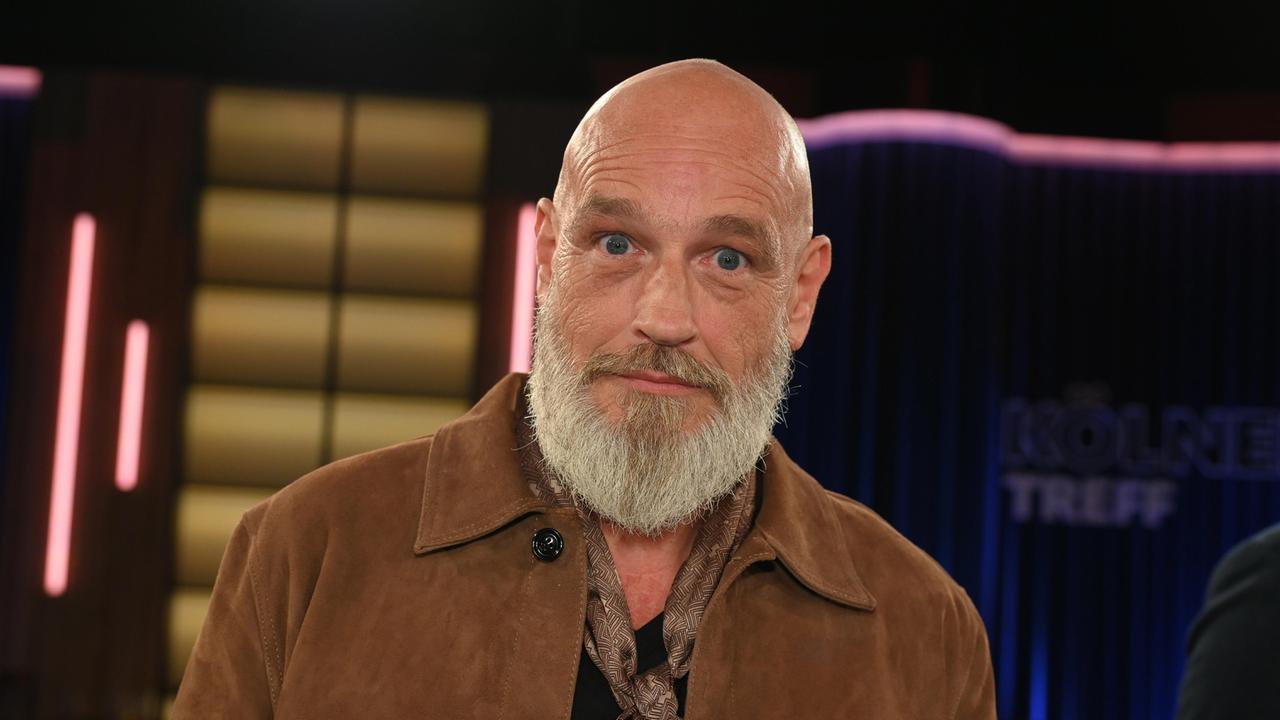
German comedian and Grimme Prize winner Torsten Sträter has shared a sobering health update with his fans, revealing that he has been diagnosed with a tumor. The 59-year-old performer, known for his distinct wit and observational humor, made the announcement via his official website on April 14, 2026, providing clarity after months of speculation regarding his absence from the public eye.
The disclosure follows a period of uncertainty for Sträter’s audience. In January, the Dortmund-born comedian canceled a series of performances scheduled through the end of March. While many followers questioned the reason for the hiatus, Sträter has now confirmed that the Torsten Sträter tumor diagnosis is the cause of his medical leave, noting that the intensity of his treatment made it impossible to maintain his demanding performance schedule.
As a physician and health journalist, I recognize the courage it takes for public figures to share such personal medical crises. Sträter’s approach—balancing transparency with a firm boundary regarding his privacy—is a textbook example of how to manage a health crisis in the spotlight. By controlling the narrative, he prevents the spread of misinformation while maintaining the necessary space for recovery.
Clarifying Physical Health vs. Mental Health
One of the most significant aspects of Sträter’s announcement was his explicit effort to distinguish this current crisis from his previous health struggles. The comedian has long been an advocate for mental health awareness, speaking openly about his experience with depression and integrating those themes into his comedy routines. Given that of this public history, some speculated that his recent absence was related to a mental health relapse.
Sträter was quick to dispel these rumors on his website, stating that the reason for the cancellation of his program, “Mach mal das große Licht an,” was not depression. “Unfortunately, it is a tumor instead,” he wrote, clarifying that his current challenges are “rather of a physical nature” according to reports by Der Spiegel. This distinction is crucial, as it prevents the conflation of physical oncological illness with psychiatric conditions, both of which require vastly different clinical approaches.
Treatment and the Path to Recovery
While Sträter has not disclosed the specific type or location of the tumor, he provided reassurance regarding the quality of care he is receiving. He stated that he is “in the hands of extremely capable doctors” and has been undergoing “highly close and competent” treatment for several weeks as reported by WDR. The intensity of this medical regimen was the primary driver behind his inability to perform during the first quarter of the year.
In a move that is common among patients facing serious diagnoses, Sträter likewise set a clear boundary regarding unsolicited medical advice. He specifically requested that fans refrain from offering alternative treatment methods, noting that he is pleased with how he has tolerated the professional medical treatment thus far. This is a vital point for the public to respect; evidence-based oncology requires strict adherence to clinical protocols and unsolicited “cures” can often create unnecessary stress or danger for the patient.
Key Takeaways from the Announcement
- Diagnosis: Torsten Sträter has confirmed he is battling a tumor.
- Timeline: Performances were canceled from January through March 2026 to accommodate intensive treatment.
- Clarification: The illness is physical and unrelated to his well-documented history with depression.
- Return Date: The comedian plans to return to the stage in May 2026.
- Privacy: Sträter has requested privacy and asked for no further inquiries or alternative treatment suggestions.
Return to the Stage and Adjusted Performance Schedule
Despite the severity of the diagnosis, Sträter expressed a strong desire to return to his “beloved performances.” He has announced his return to the public eye for May 2026, though he is implementing practical adjustments to ensure his health remains the priority during his comeback.
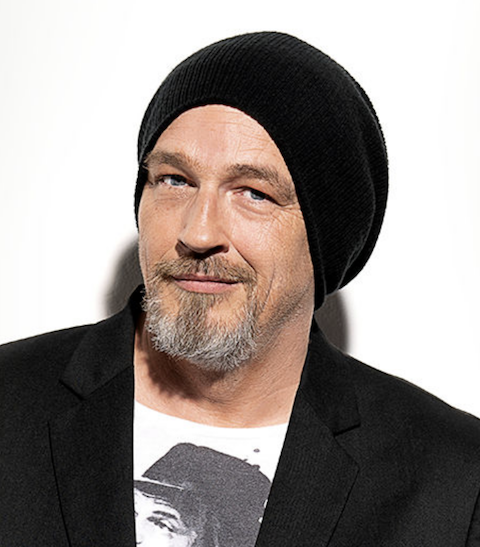
To accommodate his recovery process, Sträter indicated that his shows will be slightly shorter than usual. While his standard performances typically last three hours, he noted that he may perform for approximately two hours and forty minutes instead. This 20-minute reduction is a strategic move to manage fatigue and physical strain, which are common side effects of oncology treatments.
The comedian’s willingness to return so quickly speaks to the therapeutic power of performance and the support of his fan base, but it also highlights the delicate balance patients must strike between professional obligations and physical healing.
For those following the story, the next confirmed milestone is Sträter’s return to the stage in May 2026. Until then, he has asked for understanding and respect for his privacy as he continues his treatment.
We invite our readers to share their thoughts and well-wishes for Torsten Sträter in the comments below.
Worth a look