Understanding the Path of Totality for 2026
For observers, the timing of the event is critical.
Biological and Environmental Observations
Total solar eclipses provide researchers with rare opportunities to study behavioral changes in wildlife. During the sudden onset of darkness, many diurnal animals exhibit behaviors typically reserved for dusk or nighttime. These shifts occur because the rapid drop in light intensity and temperature mimics the transition from day to night, triggering circadian responses in various species.

The Rise of Eclipse Tourism
Luxury hotels have created packages to accompany the solar eclipse.
Safety and Preparation
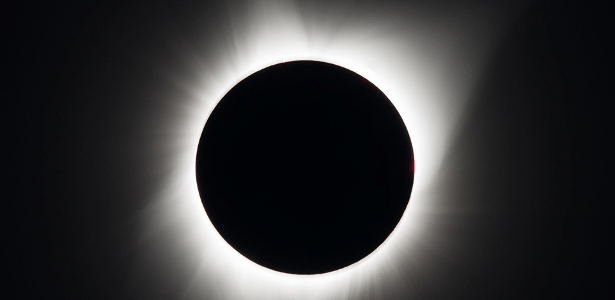
Viewing a solar eclipse requires strict adherence to safety protocols to prevent permanent eye damage. The only time it is safe to view the sun without protective equipment is during the brief period of totality, when the moon completely covers the solar disk. During all other phases, including the partial eclipse leading up to and following totality, observers must use certified solar eclipse glasses that meet the ISO 12312-2 international standard.
As the date approaches, local governments and astronomical societies are expected to release official maps and safety advisories to help the public navigate the event. For those planning to travel, checking local weather forecasts in the days leading up to August 12, 2026, will be essential, as cloud cover remains the primary variable that can obstruct the view of the corona. Updates regarding local road closures and viewing event schedules will be provided by regional municipal authorities as the date draws closer.
Keep reading