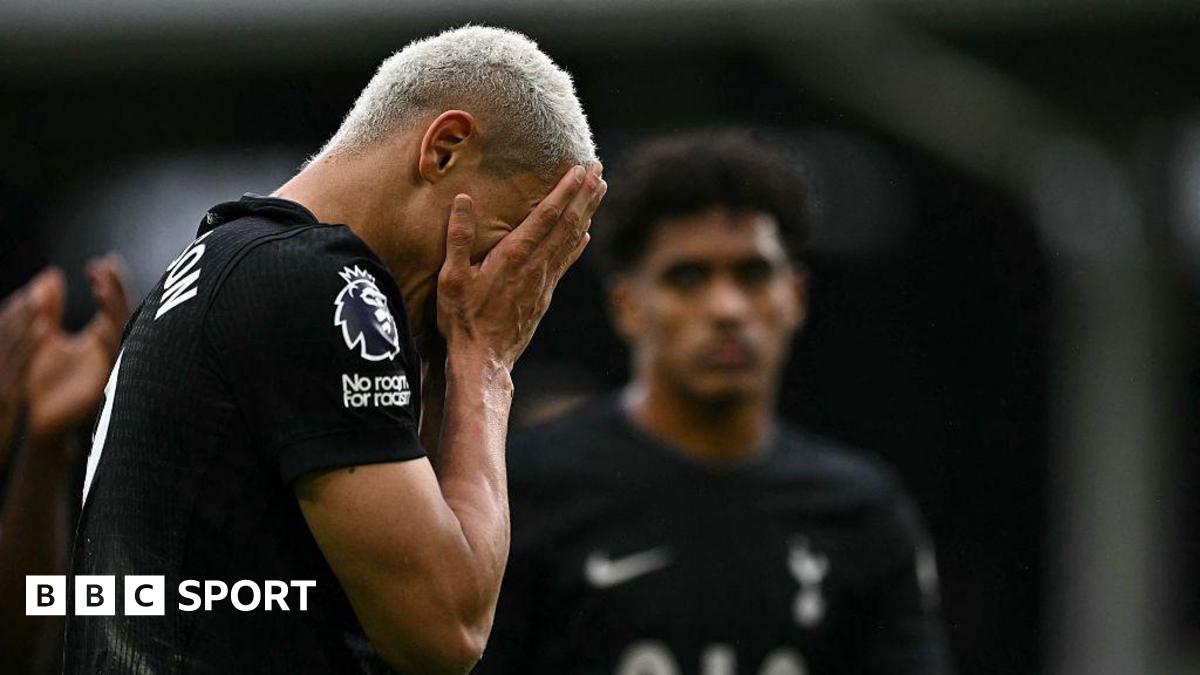
The stakes are exceptionally high for Tottenham Hotspur this season, extending far beyond the pitch. Although the focus remains on securing a respectable finish in the Premier League, a descent into the Championship would trigger a financial earthquake, potentially costing the North London club upwards of £250 million. The ramifications would ripple through every facet of the organization, from player wages and sponsorship deals to broadcast revenue and matchday income. This isn’t simply a sporting concern; it’s a complex financial risk assessment playing out in real-time.
Tottenham, historically a financially stable Premier League club, has invested heavily in recent years, most notably in its state-of-the-art stadium. This investment, while strategically sound for long-term growth, likewise creates a heightened vulnerability to the economic shock of relegation. The club’s financial health is inextricably linked to its Premier League status, and a drop to the second tier would expose vulnerabilities that have been carefully shielded by years of top-flight success. The potential financial fallout underscores the increasingly precarious nature of even established clubs in the hyper-competitive world of professional football.
The financial impact of relegation isn’t theoretical. It’s a well-documented phenomenon in English football, and the numbers are stark. A recent analysis suggests a potential loss of over £261 million for Spurs should they fall into the Championship. This figure encompasses a multitude of revenue streams, all of which would be significantly diminished. Understanding the specific components of this potential loss is crucial to grasping the scale of the risk facing the club.
The Plummeting Revenue Streams: A Detailed Breakdown
One of the most immediate and substantial hits would approach from broadcast revenue. The Premier League’s lucrative broadcasting deals are the lifeblood of many clubs, and Tottenham currently benefits significantly from both domestic and international rights. According to reports, Ipswich Town earned more in broadcast revenue than Barcelona last year, highlighting the financial disparity between the Premier League and other European leagues. SPORTbible details how this revenue stream would drastically decrease in the Championship.
This access to substantial broadcast income would vanish upon relegation, replaced by a significantly smaller share from the Championship’s broadcasting agreements. The club’s Champions League earnings – tens of millions of pounds annually – would disappear entirely, unless a remarkable and improbable run to win the tournament occurred before their relegation was confirmed, guaranteeing a spot in the following season’s competition. The loss of these broadcast revenues alone represents a crippling blow to Tottenham’s financial stability.
Matchday revenue, another cornerstone of Tottenham’s income, would also suffer a dramatic decline. The club’s new stadium, a £1 billion investment, has been instrumental in maximizing matchday takings through premium hospitality packages and corporate sales. The Daily Mail reports on the suspended Champions League ban handed to Tottenham due to fan behavior.
However, the ability to command premium prices for tickets against Championship opponents like Lincoln City would be severely limited. A significant drop in attendance is also likely, further eroding matchday revenue. The contrast between a Champions League fixture and a second-tier match is stark, and the financial implications are substantial. The club would struggle to maintain the same level of income from hospitality and corporate packages, which currently contribute significantly to their overall revenue.
Sponsorships and Commercial Deals at Risk
Beyond broadcast and matchday revenue, Tottenham’s commercial income, which reached a club-record £269 million last year, would also be at risk. Sponsorship deals, such as those with Nike (kit manufacturer) and AIA (front-of-shirt sponsor), typically include relegation clauses that would trigger a reduction in value. These clauses are standard practice in football contracts, protecting sponsors from the diminished brand exposure associated with playing in a lower league. SPORTbible highlights the potential impact on these deals.
The combined value of the Nike and AIA deals is estimated at around £70 million annually, and a significant reduction in these revenues would further exacerbate the financial strain on the club. The club’s ability to host other lucrative events and concerts at the stadium could be impacted, as demand for such events may decrease in the absence of Premier League football. The stadium, designed as a multi-purpose venue, relies heavily on these ancillary revenues to maximize its profitability.
The Broader Economic Impact and Recovery Timeline
Football finance expert Kieran Maguire aptly summarizes the situation, stating that relegation for a club of Tottenham’s ambitions and financial scale would be “not simply a short-term sporting setback.” He emphasizes that “the economics of English football make recovery a multi-year project.” This underscores the long-term consequences of relegation, which extend far beyond a single season.
Rebuilding a club’s financial stability after relegation requires a sustained period of success in the Championship, attracting new investment, and renegotiating commercial deals. It’s a complex and challenging process that can take several years to complete. The loss of Premier League revenue, coupled with the increased costs of competing in a demanding league, creates a significant financial hurdle for relegated clubs.
The potential financial repercussions for Tottenham are substantial, and the club’s management will undoubtedly be acutely aware of the risks. Avoiding relegation is not merely a matter of sporting pride; it’s a critical imperative for safeguarding the club’s financial future. The economic consequences of a drop to the Championship would be far-reaching, impacting players, staff, sponsors, and the club’s long-term viability.
Key Takeaways
- Significant Financial Loss: Relegation could cost Tottenham Hotspur over £261 million in lost revenue.
- Broadcast Revenue Collapse: The loss of Premier League broadcast deals would be a major financial blow.
- Sponsorship Risk: Relegation clauses in sponsorship contracts with Nike and AIA could significantly reduce commercial income.
- Long Recovery: Financial recovery from relegation is a multi-year process, requiring sustained success in the Championship.
The coming months will be crucial for Tottenham Hotspur. The club’s performance on the pitch will directly determine its financial fate, and the stakes have never been higher. The club’s ability to navigate this challenging period will be a testament to its financial management and strategic planning. The next few weeks will be pivotal in determining whether Tottenham can maintain its Premier League status and avoid a financial crisis.
Stay tuned to World Today Journal for further updates on Tottenham Hotspur’s financial situation and the broader implications for the Premier League. We encourage readers to share their thoughts and perspectives in the comments section below.
Related reading