
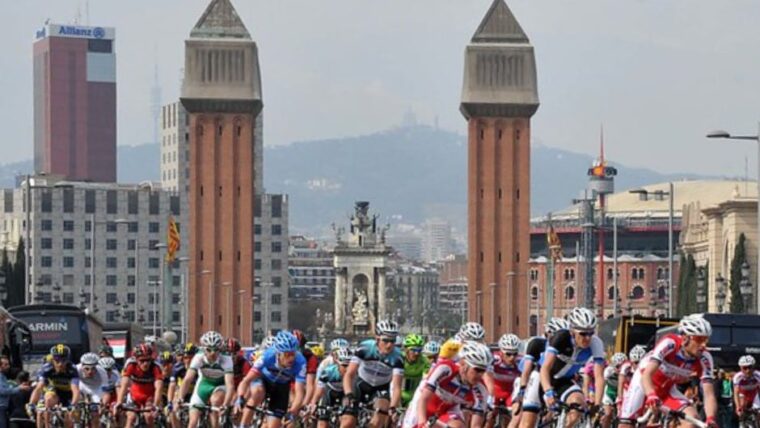
Barcelona is preparing for the 2026 Grand Départ of the Tour de France, with the city council (Ajuntament de Barcelona) finalizing a comprehensive mobility and traffic management plan to accommodate the event. The city will host the official presentation and the start of the race, requiring significant adjustments to public transit, parking, and urban traffic flow throughout the event period. According to official municipal notices, the strategy centers on balancing the logistical needs of the competition with the daily requirements of residents and commuters.
Large-scale urban events like the Tour de France represent a massive logistical undertaking for any host city. Barcelona’s approach, which emphasizes public transport usage and real-time traffic updates, follows a standard framework for minimizing disruption in dense metropolitan areas. For residents and visitors, the success of these days depends on adhering to the specific access protocols established by local authorities.
Managing Mobility and Traffic Disruptions
The core of the municipal plan involves a series of traffic restrictions designed to clear routes for the race while maintaining emergency access. The Ajuntament de Barcelona has indicated that central areas of the city will experience rolling road closures, particularly around the stages starting and ending in the metropolitan area. Officials advise that the most effective way to traverse the city during the Grand Départ is to utilize the expanded metro network and regional rail services, which are expected to operate with increased frequency to handle the surge in spectators.

Parking will be heavily restricted, with the city council implementing “no-parking” zones along the main race corridors. Vehicles left in these zones risk being towed to facilitate the passage of the race caravan and team support vehicles. The city has encouraged the use of peripheral parking lots, which will be connected to the event centers via shuttle services. Detailed maps of these zones are available through the official Barcelona City Council website, which serves as the primary source for real-time updates regarding road closures and public transit modifications.
The Grand Départ: A Cultural and Sporting Milestone
The 2026 Grand Départ is not merely a logistical challenge; it is a significant cultural event for Catalonia. The festivities are scheduled to kick off with a high-profile presentation ceremony held in the space between the historic Sant Pau Recinte Modernista and the iconic Sagrada Família. This location was selected to showcase the city’s architectural heritage to an international audience.

For the local economy, the event is expected to bring a substantial influx of tourism. The Generalitat de Catalunya has been coordinating with the city to ensure that the influx of international visitors is managed through integrated security and mobility protocols. Travelers are encouraged to monitor the Generalitat de Catalunya official portal for updates on regional transport impacts, as the race route extends beyond the immediate city limits into the surrounding Catalan territory.
Practical Guidance for Residents and Visitors
To navigate the event efficiently, the city council has released a set of guidelines for the public. These include avoiding private vehicle use in the city center during the specific hours of the race stages, planning ahead for public transit delays, and staying informed through official municipal social media channels. The following points summarize the key operational priorities:
- Public Transit Priority: The TMB (Transports Metropolitans de Barcelona) will adjust bus routes to bypass race-affected streets.
- Prohibited Parking: Strict enforcement of towing policies will be in effect on roads designated as part of the race circuit.
- Pedestrian Access: Dedicated crossing points will be established for pedestrians to move safely across the race path during non-competitive periods.
- Official Information: The city council and the Tour de France organizers will provide live updates on digital signage and official websites throughout the event.
The municipal authorities have emphasized that the success of the Grand Départ relies on public cooperation. By providing clear, centralized information, the city aims to prevent the gridlock often associated with international sporting events of this scale. Readers are encouraged to check the official Tour de France official website for the specific timing of the race stages as they are finalized, as these times may be subject to minor adjustments based on the race jury’s final decisions.
The next major update regarding specific street-level traffic diversions is expected to be released by the city’s mobility department before the event begins. We will continue to monitor these developments as they unfold. If you have questions about the logistics or the race route, please share them in the comments section below, and we will do our best to find the official answers for our readers.