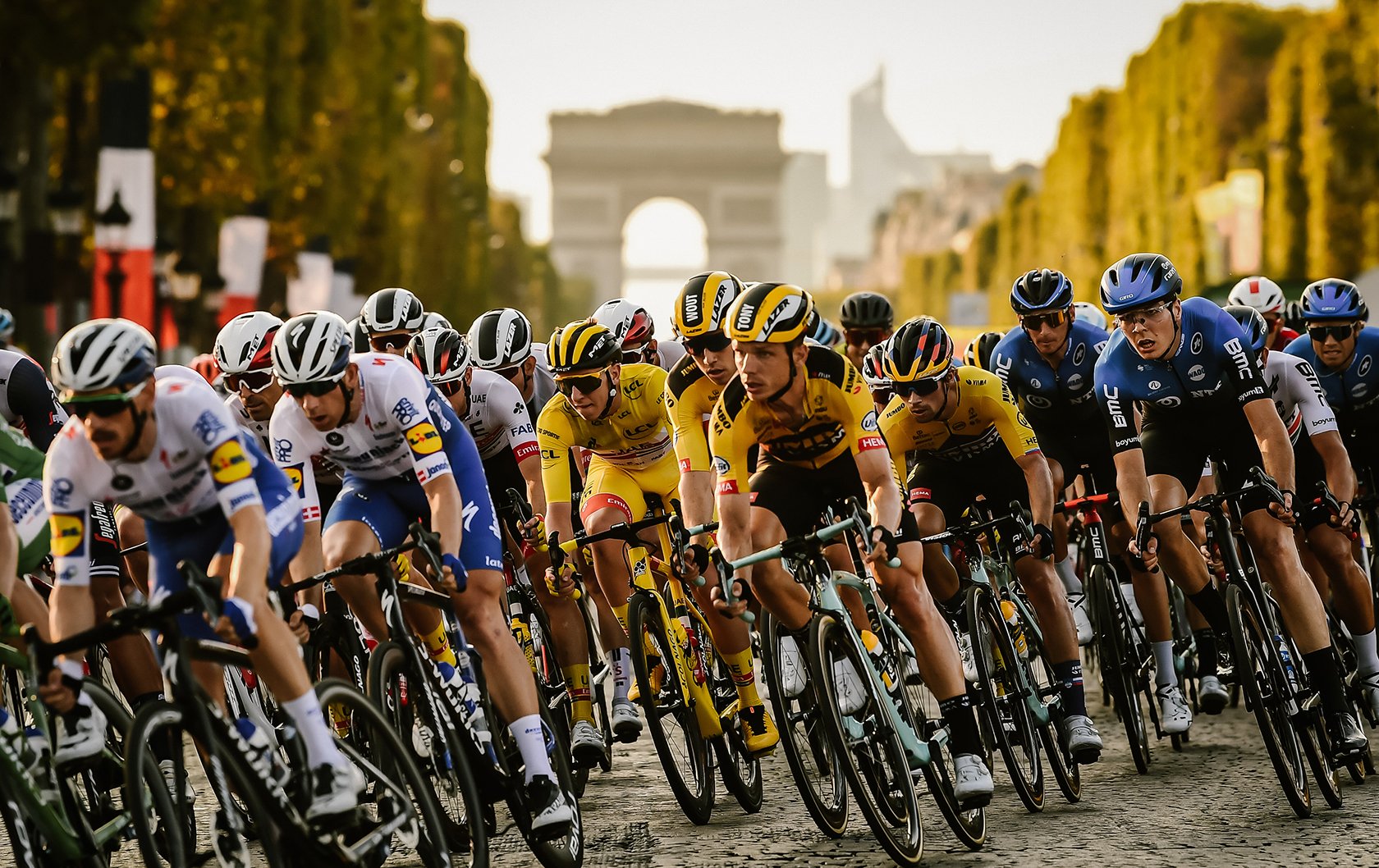
As pro cycling teams have been preparing for the start of the Tour de France on Saturday, extreme heat has rolled across Western Europe, smashing temperature records, cracking infrastructure and taking a toll on the population. Medical professionals and sports physiologists emphasize that performing strenuous physical activity in temperatures requires significant physiological preparation, strategic hydration, and an acute awareness of heat-related illness symptoms. With regional temperature records frequently being challenged, managing core body temperature has become the primary medical priority for both professional competitors and amateur participants.
The Physiological Impact of High-Intensity Exercise in Heat
When the body engages in intense physical exertion, muscles generate significant heat as a byproduct of metabolism. Under normal conditions, the body dissipates this heat primarily through radiation and the evaporation of sweat. However, when ambient temperatures rise—particularly when combined with high humidity—these cooling mechanisms become significantly less efficient. According to the Centers for Disease Control and Prevention (CDC), the body’s inability to shed heat during extreme conditions can lead to a rapid increase in core temperature, placing strain on the cardiovascular system as the heart works harder to pump blood to both the working muscles and the skin for cooling.

For endurance athletes, this thermal stress manifests in several ways. The World Health Organization notes that heat exhaustion occurs when the body loses excessive water and salt through sweating, leading to symptoms such as heavy sweating, rapid pulse, dizziness, and muscle cramps. If left unaddressed, this can progress to heat stroke, a medical emergency characterized by a core body temperature above 40°C (104°F), confusion, and potential loss of consciousness. Athletes are advised to monitor their “rate of perceived exertion” (RPE); in extreme heat, the same workload will feel significantly more strenuous than in cooler conditions, necessitating a reduction in intensity to maintain safety.
Strategic Hydration and Electrolyte Balance
Hydration is not merely about water intake; it is about maintaining electrolyte homeostasis. Sodium, potassium, and magnesium play critical roles in muscle contraction and nerve transmission. Excessive water consumption without adequate electrolyte replacement can lead to hyponatremia, a dangerous condition where blood sodium levels become diluted.
To mitigate risks, sports nutritionists often suggest pre-cooling strategies. These include consuming ice slurry beverages or using cooling vests before the start of an event to lower the baseline core temperature, thereby providing a larger thermal buffer before reaching dangerous levels. During the event, frequent, small-volume intake of fluids is generally more effective than large, sporadic boluses, as it minimizes gastric distress and maintains consistent plasma volume.
Adapting Training and Competition Protocols
As pro cycling teams have been preparing for the start of the Tour de France on Saturday, structural adjustments to event schedules have become common. This includes shifting start times to the early morning or late evening to avoid peak solar radiation and the hottest hours of the day. Infrastructure adjustments, such as increasing the number of hydration stations and providing misting zones, are essential for managing the health of participants. The Union Cycliste Internationale (UCI) maintains specific extreme weather protocols, which allow race organizers to modify course lengths or neutralize segments of a race if conditions are deemed unsafe for the peloton.

For the general public, the advice remains consistent: if a heat advisory is in effect, outdoor endurance training should be moved indoors or postponed. If exercise must occur outdoors, seeking shaded routes, wearing lightweight, moisture-wicking clothing, and utilizing sun protection are non-negotiable. It is critical to acclimate to the heat gradually; the body requires approximately 7 to 14 days to adapt to warmer environments, during which time sweat rates increase and the heart rate response to exercise in the heat begins to stabilize, as reported by the National Athletic Trainers’ Association.
Recognizing the Warning Signs
The transition from heat exhaustion to heat stroke can be rapid. Athletes and spectators alike should remain vigilant for the “red flags” of heat illness. These include:
- Cessation of sweating (a sign that the body’s cooling system has failed)
- Disorientation, confusion, or slurred speech
- Nausea or vomiting
- Skin that feels hot and dry to the touch
- Rapid, shallow breathing
If any of these symptoms appear, the affected individual must stop exercising immediately, move to a cooler or shaded area, and initiate active cooling—such as applying wet cloths or ice packs to the neck, armpits, and groin. If symptoms persist or the person loses consciousness, emergency medical services must be contacted immediately. As the summer season continues, organizers and participants are encouraged to monitor local meteorological updates and official health department advisories for the most current safety guidance in their specific region.
The next major update regarding safety protocols for international cycling events is expected from the UCI as the racing calendar progresses through the summer months. Readers are encouraged to share their own experiences with heat-adaptation training in the comments section below.