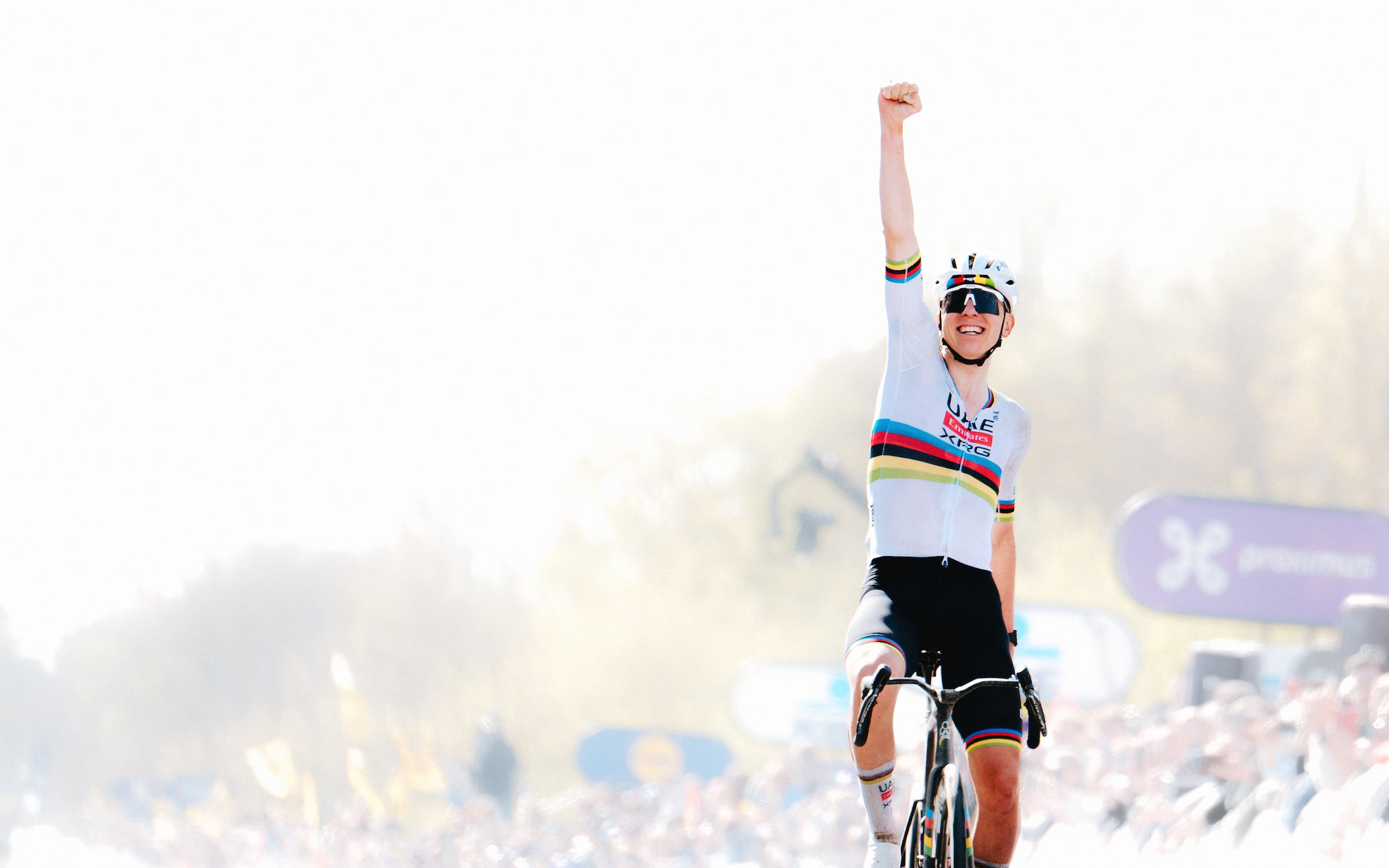
As the cycling world turns its gaze toward the start line of the 2026 Tour de France, the narrative is no longer just about who has the strongest legs, but who has the smartest plan. With the race just weeks away, the preparation strategies of the top contenders have diverged into three distinct philosophies, creating a high-stakes psychological and physical chess match before a single pedal has been turned in the Grand Départ.
The Tour de France favorites roadmap for this year reveals a fascinating contrast in how elite athletes reach peak performance. While some rely on the visceral intensity of competitive racing to sharpen their edge, others have retreated to the silence of high-altitude camps, treating their bodies like precision instruments to be calibrated in isolation. This divergence in preparation is not merely a matter of preference; it is a strategic gamble on how to survive three weeks of grueling exertion.
At the center of this storm are the perennial heavyweights: Tadej Pogačar, Jonas Vingegaard, and Remco Evenepoel. Each represents a different school of thought regarding the General Classification (GC) struggle. For the global audience following the road to the Yellow Jersey, understanding these “roadmaps” provides the essential context for predicting where the race will be won or lost—whether in the early time trials or the oxygen-thin summits of the high Alps.
As an editor who has spent over a decade analyzing the intersection of sports science and raw athletic will, I find the 2026 buildup particularly telling. We are seeing a shift away from a “one size fits all” approach to Grand Tour preparation, with teams leveraging deeper data analytics to tailor training loads to the specific physiological profiles of their leaders.
The Racing Engine: Pogačar’s High-Volume Strategy
Tadej Pogačar continues to defy the traditional wisdom of “saving” oneself for July. The UAE Team Emirates superstar typically employs a high-volume racing calendar, using the spring classics and early-season stage races as a catalyst for form. Rather than relying solely on training blocks, Pogačar finds his peak through the chaos of competition, utilizing the intensity of the peloton to build a robust, race-hardened engine.

This approach allows Pogačar to enter the Tour with a level of “race sharpness” that is difficult to replicate in training. By competing in high-pressure scenarios, he maintains his instinctive ability to react to attacks and navigate the tactical volatility of a professional peloton. However, the risk inherent in this roadmap is the accumulation of fatigue. Racing deep into the spring requires a masterful balance of recovery and intensity to ensure that the “peak” occurs during the third week of the Tour, rather than peaking too early in May.
For Pogačar, the roadmap is about confidence and momentum. By dominating the spring, he exerts a psychological pressure on his rivals, signaling that he is already in top form while others are still hiding in altitude camps. This aggressive posture is a hallmark of his career, turning the lead-up to the Tour into a prolonged exhibition of strength.
The Scientific Peak: Vingegaard’s Altitude Blueprint
In stark contrast to the racing-heavy approach, Jonas Vingegaard and the Visma-Lease a Bike squad often lean into a more sequestered, scientific method of preparation. Vingegaard’s roadmap is characterized by extensive periods of altitude training, often spending weeks in remote locations to maximize red blood cell production and aerobic capacity.
This “invisible” preparation is designed for one specific purpose: maximum efficiency on the steepest climbs of the Tour. By minimizing the risks associated with racing—such as crashes or early-season illness—Vingegaard focuses on a linear progression of fitness. His approach is less about race sharpness and more about raw physiological ceiling. When Vingegaard arrives at the start line, he is often a mystery to his competitors, having avoided the spotlight of the spring classics in favor of the solitude of the mountains.
The gamble for Vingegaard is the transition from training to racing. There is always a risk that a rider who has spent too much time in isolation may struggle with the erratic rhythms of a Grand Tour’s first week. However, the official Tour de France history shows that this calculated, peak-focused approach can be devastatingly effective in the high mountains, where the physiological advantages of altitude training are most apparent.
The Precision Specialist: Evenepoel’s Calculated Path
Remco Evenepoel occupies a middle ground, combining a strategic racing schedule with a relentless focus on time-trial precision. The Soudal Quick-Step leader views the Tour de France as a mathematical equation. His roadmap is built around maximizing his advantage in the race against the clock while bridging the gap in the high mountains.
Evenepoel’s preparation is often surgical. He targets specific races that offer the highest ROI for his fitness, avoiding the “filler” races that might drain his energy. His focus is on maintaining a lean, aerodynamic profile and a power-to-weight ratio that allows him to defend leads in the mountains while crushing the competition in the time trials. For Evenepoel, the Tour is not just a test of endurance, but a test of efficiency.
This strategic path requires a high degree of discipline. Evenepoel must balance his desire for victory in other UCI WorldTour events with the overarching goal of the Yellow Jersey. By focusing on quality over quantity, he aims to arrive in July with a fresh set of legs and a mental clarity that allows him to execute a rigid, pre-planned race strategy.
What This Means for the 2026 Yellow Jersey Fight
When these three divergent roadmaps collide, the result is a volatile dynamic that changes the nature of the race. The “Racing Engine” (Pogačar) will likely be the most dangerous in the first ten days, potentially taking early leads and forcing the others to chase. The “Precision Specialist” (Evenepoel) will look to create a time buffer in the time trials, forcing the pure climbers to attack early in the mountains.

Meanwhile, the “Scientific Peak” (Vingegaard) is the long-game player. His strategy is designed to wear opponents down, waiting for the third week when the cumulative fatigue of the Tour begins to strip away the benefits of early-season racing. The fight for the Yellow Jersey in 2026 will essentially be a battle between these three different versions of “peak form.”
The impact on the race is significant:
- Early Aggression: Expect high-intensity attacks in the first mountain stages as those who raced into shape try to capitalize on their current momentum.
- Tactical Stalemates: The time-trial specialists may play a more conservative game in the mountains, relying on their ability to reclaim time in the final stages.
- The Third-Week Collapse: The winner will likely be the rider whose roadmap correctly predicted the exact moment of peak fatigue.
For fans and analysts, the key is to look beyond the results of the early stages. A dominant performance in week one may be a sign of strength, or it may be a sign that a rider has peaked too early. Conversely, a quiet start from a contender like Vingegaard should not be mistaken for weakness; it is often the sign of a plan unfolding exactly as intended.
the Union Cycliste Internationale (UCI) rankings provide a snapshot of current form, but the Tour de France is a race of attrition. The roadmap is the blueprint, but the road itself is where the blueprint is tested against the reality of wind, rain, and the sheer brutality of the Pyrenees.
The next confirmed checkpoint for the cycling world is the official publication of the full 2026 route and the final team rosters, which will provide the final clues as to how these favorites have tweaked their plans for the specific terrain of this year’s race.
Who do you believe has the superior strategy for this year’s Tour? Is the “race-into-shape” method more reliable than the “altitude camp” approach? Share your thoughts in the comments below and join the conversation.