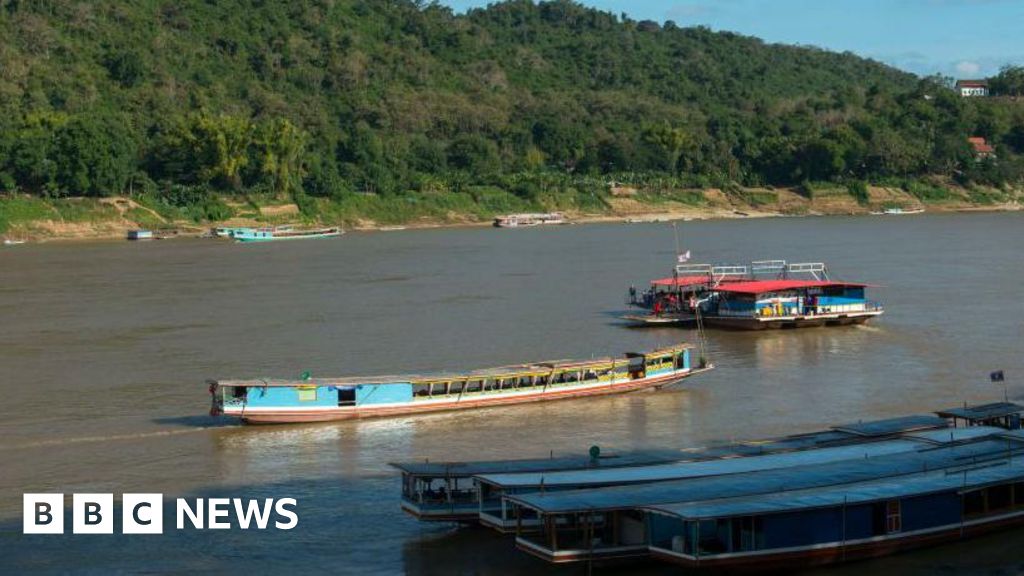
Mekong River Ferry capsizing: A Harrowing account and Ongoing Safety Concerns
A recent ferry accident on the Mekong River in Laos has brought renewed attention too the safety of tourist transport along this popular travel route. The incident,which occurred between Pak Beng and Luang Prabang,left passengers scrambling for survival and tragically resulted in confirmed fatalities. Here’s a detailed look at what happened, the rescue efforts, and the broader context of river travel safety in the region.
The Incident Unfolds
The ferry was rapidly taking on water, prompting immediate concern among passengers. Passengers quickly began working to bail out the water to slow the sinking. Mr. Cook,a passenger on board,described a frantic scene as people sought any means of escape.
He climbed onto the roof and jumped onto a passing rescue ferry, assisting others in the process. Some passengers managed to swim to the rescue vessel, while others were pulled aboard by those already safely on board.
rescue and Loss
Fortunately, manny were rescued, including Mr. Cook and a passenger named Anthonin. However,the situation was far from universally positive.
Anthonin recounted helping passengers retrieve their belongings when he noticed a Lao mother and her two children were missing after being transferred to the rescue ferry. Sadly, the body of the mother, Pany Her, and one of her children were later recovered near Luang Prabang.
The atmosphere on the rescue ferry was understandably chaotic, with many passengers experiencing panic and grief.Despite the harrowing experience, Anthonin stated he wasn’t fearful for his own life, but deeply affected by the loss of the family.
Passenger Accounts
Gabrielius baranovičius, a 19-year-old Lithuanian traveler, initially approached the situation with a degree of disbelief. He and his friend were joking around until the severity of the sinking became apparent.
Once safely aboard the rescue boat, Baranovičius began filming the unfolding events, but quickly stopped to assist others struggling in the water. His actions exemplify the spirit of cooperation that emerged during the crisis.
Mekong River Travel: A Popular, Yet Potentially Risky Route
Tens of thousands of tourists travel the 300km route between Huay Xay, Pak Beng, and Luang Prabang each year via slow boat and speedboat. The Mekong River Commission estimates a high volume of traffic, making safety a paramount concern.
For Mr. Cook, the experience was deeply unsettling, prompting him to leave Luang Prabang despite appreciating the local hospitality. He felt the incident served as a constant reminder of his near-disaster.
Looking ahead: insurance and Accountability
Mr. Cook plans to file insurance claims for lost belongings and cash. However, determining responsibility for the incident remains unclear. He currently believes it may have been a freak accident, but questions the avoidability of the capsizing.
A Recurring Problem
This incident isn’t isolated. In September 2023, another passenger boat capsized on the same stretch of the Mekong River in Pakbeng district, resulting in three deaths.
Investigations revealed that boat became entangled in a fishing net, leading to a loss of control and subsequent overturning in strong currents. This highlights a recurring danger: entanglement with fishing gear and the challenges of navigating strong river currents.
Ensuring Safer travel on the Mekong
This recent capsizing underscores the urgent need for enhanced safety measures on the Mekong River. Here are some critical steps that should be considered:
* Stricter vessel inspections: Regular and thorough inspections of all passenger boats are essential to ensure they meet safety standards.
* Improved safety equipment: All vessels should be equipped with sufficient life jackets, flares, and other necesary safety equipment.
* Enhanced crew training: Crews should receive comprehensive training in emergency procedures,navigation,and passenger safety.
* Clearer regulations: Establishing and enforcing clear regulations regarding boat capacity, speed limits, and navigation routes is crucial.
* Fishing net management: Addressing the issue of abandoned or poorly marked fishing nets is vital to prevent entanglement incidents.
* Passenger safety briefings: Providing passengers with clear safety briefings before departure can definitely help them understand emergency procedures.
If you are planning to travel on the Mekong River, it’s critically important to be aware of
Keep reading