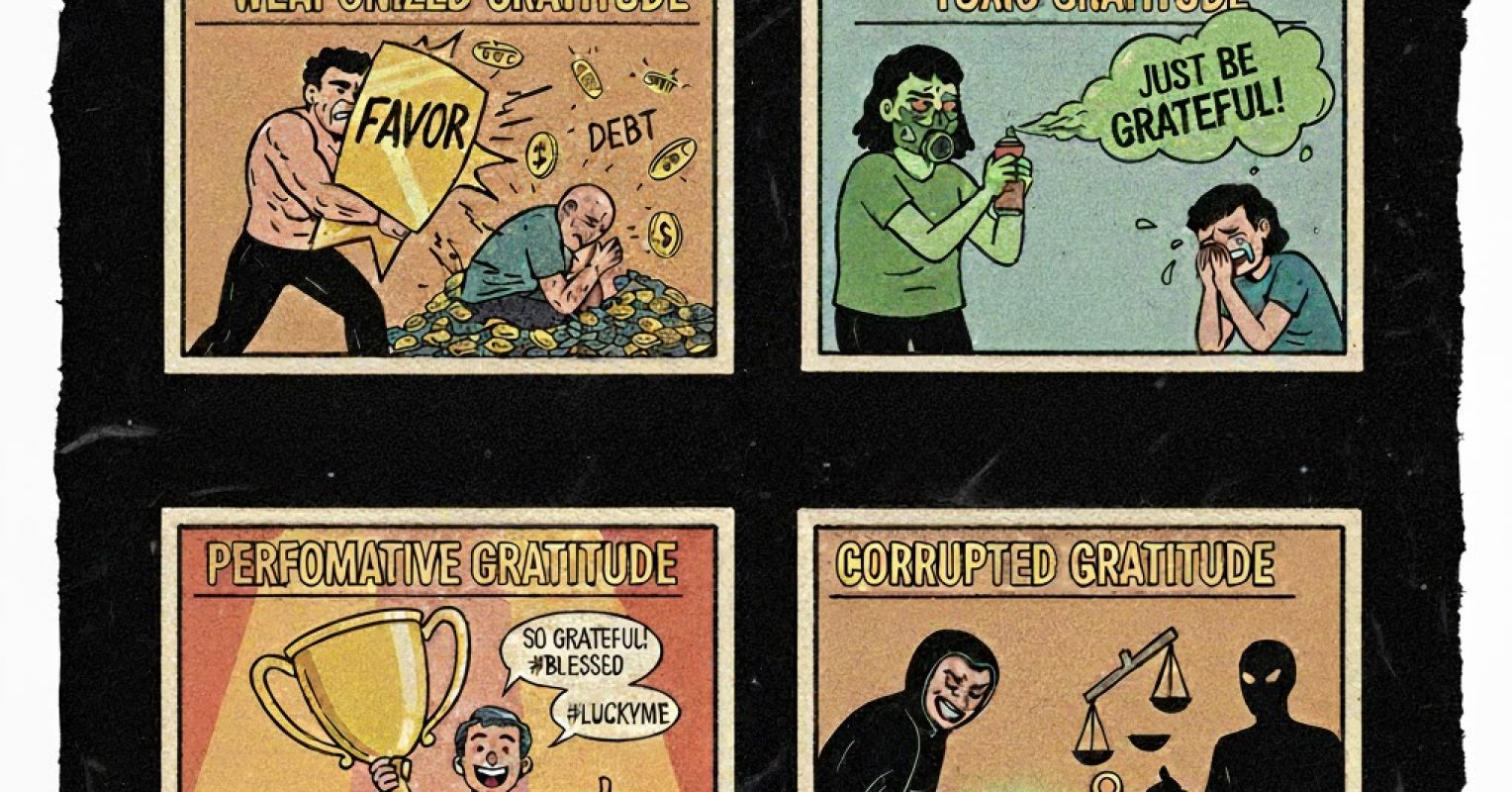
the Double-Edged Sword of Gratitude: How Thankfulness Can Both Elevate and Corrupt
Gratitude. It’s often hailed as a cornerstone of happiness and well-being. But what happens when thankfulness takes a wrong turn? As a psychologist specializing in moral behavior, I’ve observed a surprising phenomenon: gratitude, while inherently positive, can be subtly – and sometimes dramatically – corrupted, leading to unethical choices and the perpetuation of injustice.
This article explores the complex nature of gratitude, moving beyond simple thank-you notes to examine its potential pitfalls and how to cultivate a wise gratitude that truly enhances yoru life and the world around you.
The Science of Thankfulness
We often associate gratitude with positive emotions – and rightly so. Research shows experiencing gratitude activates brain regions linked to reward and social bonding. However, a healthy emotional life isn’t solely about positivity. We need to acknowledge and process all our emotions – both positive and negative – for genuine healing and growth.
Gratitude isn’t just a feeling; it’s deeply intertwined with our moral compass. It’s a basic human response to receiving kindness,and it compels us to reciprocate. This drive to repay, however, is where things can get complex.
When Gratitude Becomes Complicit
My colleagues and I have found that gratitude is powerfully linked to moral concerns, particularly the desire to return favors. But this desire can override our ethical judgment. Studies demonstrate that gratitude can led individuals to compromise their honesty and sense of justice to protect those who have helped them.
Consider this scenario:
* A coworker championed your promotion.
* Months later, they’re under investigation for financial misconduct and ask you to alter documents.
* Would you help, driven by your gratitude?
If so, your well-intentioned thankfulness could make you complicit in unethical - even criminal – behavior.
These aren’t isolated incidents. corrupted gratitude manifests in more subtle ways daily:
* Political Compromises: A politician voting against their beliefs to repay a mentor.
* The “Old Boys’ Network”: Job opportunities and promotions awarded based on past favors, not merit.
* Nepotism & Favoritism: Preferential treatment in hiring processes for the friends and family of those who’ve offered assistance.
In these instances, gratitude transforms into a currency that reinforces privilege and perpetuates systemic inequalities. it ceases to be a virtue and becomes a tool for maintaining the status quo.
The Virtue of Discernment: Aristotle’s Wisdom
So, does this mean we should be less grateful? absolutely not.The key lies in how we express our gratitude. Ancient philosopher Aristotle understood this centuries ago: virtue requires discernment. Blind gratitude can easily devolve into vanity, manipulation, or misplaced loyalty.
Here’s how to cultivate a more virtuous approach to thankfulness:
* Maintain Your Integrity: Never compromise your ethical standards to repay a kindness.
* Listen to your Conscience: Gratitude shouldn’t silence your inner moral compass.
* Practice Objective Judgment: Evaluate situations rationally, even when emotions run high.
* Focus on Genuine Reciprocity: Repay kindness in ways that are ethical and beneficial to all involved.
From Rogue Gratitude to Authentic Thankfulness
The goal isn’t to eliminate gratitude, but to practice it wisely. Virtuous gratitude doesn’t cloud your judgment or stifle your conscience. Rather, it fosters humility, compassion, and a deeper connection to your humanity.
When you express gratitude with integrity, you’re not simply acknowledging a past kindness; you’re actively contributing to a more just and ethical world.That’s a reason to truly give thanks.
Resources for Further Exploration:
* SpringerLink: Gratitude and Moral Concerns
* [ScienceDirect: The Dark Side of Gratitude](https://www.sciencedirect.com/science