
Toyota Motor Corporation has significantly expanded its global production cuts, reducing output by approximately 83,000 vehicles through November 2026, as ongoing disruptions in the Middle East continue to strain supply chains and weaken demand for gasoline-powered models. The world’s top automaker, which had previously announced cuts of around 38,000 vehicles, now faces a more severe production crunch that could have ripple effects across global markets and dealer networks.
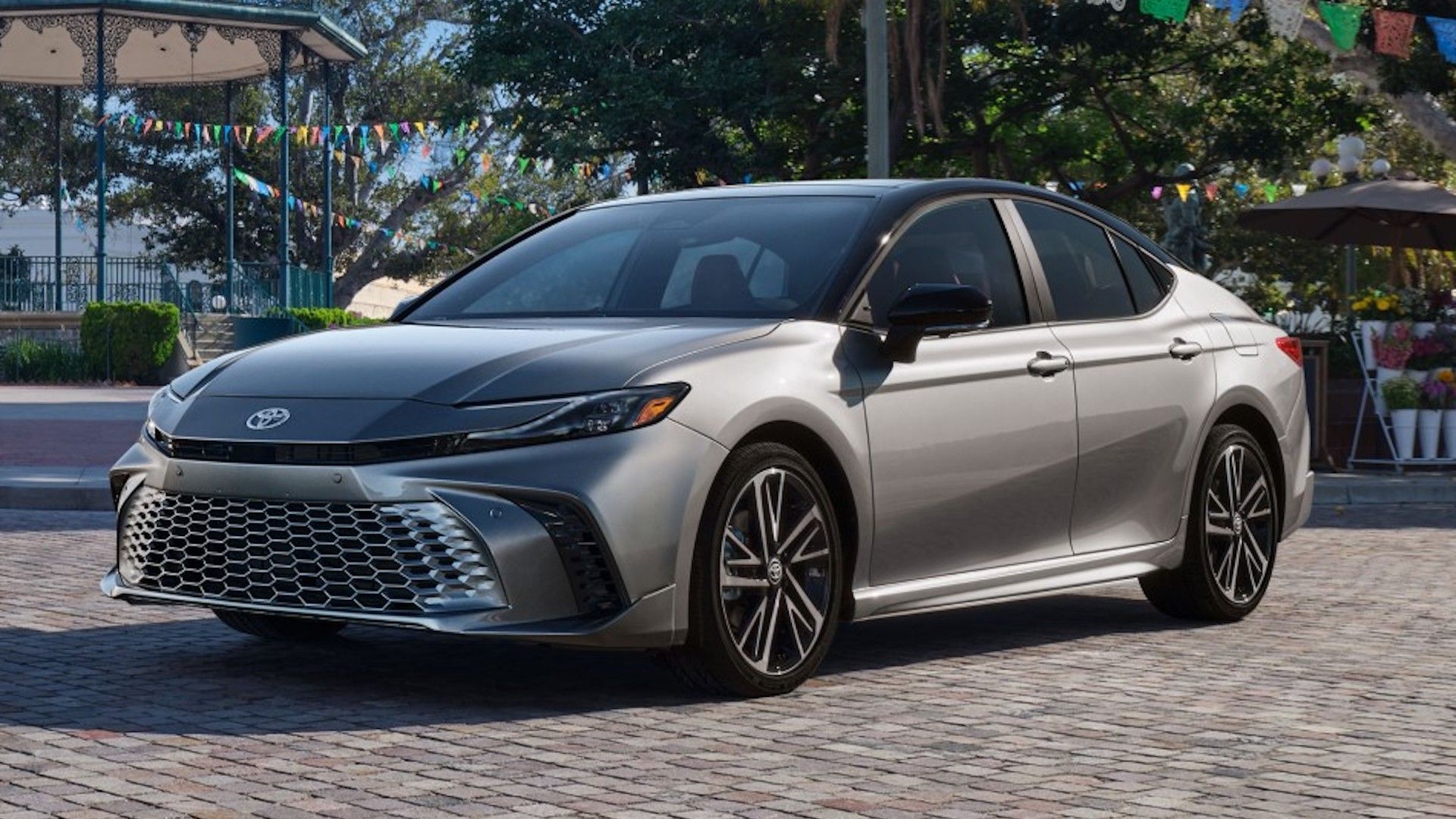
The decision comes as Toyota grapples with two major challenges: the prolonged impact of geopolitical tensions in the Middle East and a noticeable slowdown in demand for traditional internal combustion engine vehicles. While Toyota has made significant strides in electrification with models like the 2026 Prius and Corolla Hybrid, the company’s broader lineup—including its iconic Camry and Tacoma—remains heavily dependent on gasoline-powered engines, which are now facing reduced consumer interest in many markets.
Industry analysts suggest this production adjustment could lead to tighter inventory levels at dealerships worldwide, potentially affecting both new car sales and used vehicle markets. Toyota’s decision to extend these cuts through November indicates the company’s expectation that current market conditions will persist, with no immediate signs of stabilization in either supply chain logistics or consumer demand patterns.
Key Impacts of Toyota’s Expanded Production Cuts
- Supply Chain Disruptions: Ongoing tensions in the Middle East have created bottlenecks in critical component supply routes, particularly for semiconductor and metal parts essential to automotive manufacturing.
- Demand Shift: Toyota reports a noticeable decline in demand for gasoline-powered vehicles, particularly in regions where electrification is advancing rapidly, such as Europe and parts of Asia.
- Inventory Management: Dealers may experience tighter stock levels, particularly for popular models like the RAV4 and Corolla, which could influence pricing strategies.
- Electrification Focus: While production cuts affect the broader lineup, Toyota continues to prioritize development of its hybrid and electric vehicle platforms, including the upcoming 2026 Prius Plug-in Hybrid.
- Economic Ripple Effects: The reduction in production could impact related industries, including steel manufacturing, logistics and automotive service sectors.
Why Toyota Is Slashing Production by 83,000 Vehicles
Toyota’s decision to expand production cuts from an initial 38,000 vehicles to 83,000 reflects a growing recognition of the severity of current market conditions. According to internal assessments obtained by industry publications, the company has identified three primary factors driving this decision:
- Middle East Geopolitical Risks: Ongoing conflicts and instability in the Middle East have disrupted critical shipping lanes, particularly those transporting automotive components from key manufacturing hubs in Japan to assembly plants in Europe, North America, and Asia. Semiconductors, in particular, have become a major bottleneck, with Toyota reporting delays in securing essential chips for its production lines.
- Weakened Gasoline Vehicle Demand: As global automakers accelerate their transition to electrified vehicles, Toyota has observed a slowdown in consumer interest for traditional gasoline-powered models. This shift is most pronounced in Europe, where stricter emissions regulations are pushing buyers toward hybrids and fully electric alternatives.
- Logistical Challenges: The combination of port congestion, labor shortages, and increased insurance costs has made it more expensive and time-consuming to transport vehicles to global markets. Toyota’s decision to extend production cuts through November suggests the company expects these logistical hurdles to persist.
Toyota’s move comes at a critical juncture for the global automotive industry. While competitors like Volkswagen and Ford have also faced production challenges, Toyota’s scale—it remains the world’s largest automaker by sales—means its decisions carry significant weight. The company’s ability to navigate this period will be closely watched by investors, dealers, and industry observers alike.
Who Is Affected and How?
The expanded production cuts will have far-reaching consequences across the automotive ecosystem:
For Dealers and Consumers
Toyota dealerships, particularly those in North America and Europe, may experience tighter inventory levels for popular models like the RAV4, Camry, and Tacoma. While Toyota has not announced specific model-level cuts, industry insiders suggest that SUVs and trucks—categories that have driven recent sales growth—could be particularly impacted. Consumers may face longer wait times for new vehicles, potentially pushing some buyers toward the used car market or alternative brands.
For Suppliers and Related Industries
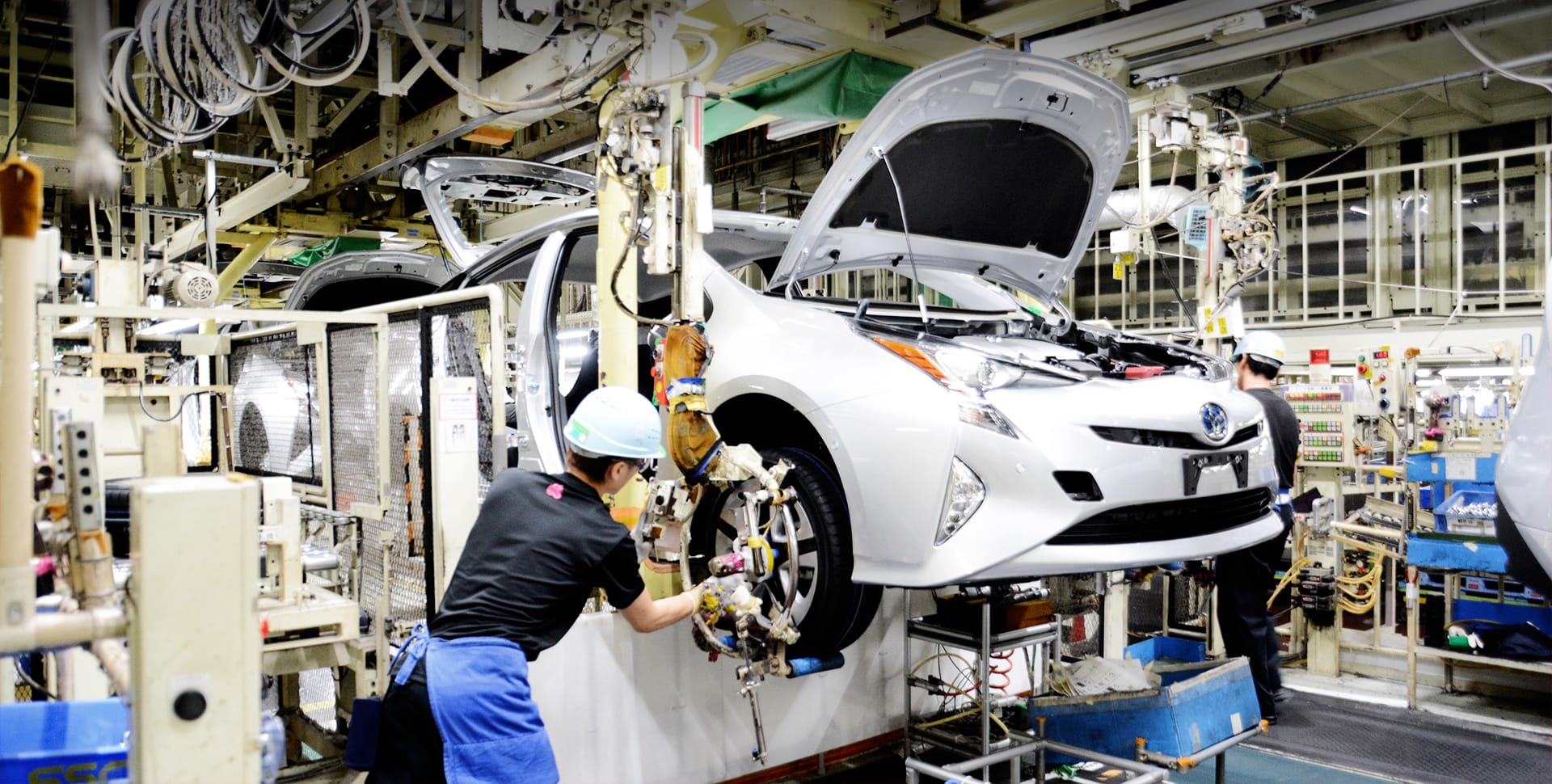
The reduction in production will directly affect Toyota’s vast network of suppliers, from steel manufacturers to semiconductor producers. Companies that rely on Toyota as a major customer may need to adjust their own production schedules, leading to potential job cuts or temporary layoffs in some cases. The automotive service sector, including parts distributors and repair shops, may also see reduced demand as fewer new vehicles hit the road.
For Competitors
While Toyota’s production cuts create challenges, they also present opportunities for competitors. Automakers that have made faster progress in electrification—such as Tesla, Hyundai, and Kia—may see increased demand for their vehicles as buyers look for alternatives to gasoline-powered models. However, Toyota’s strong brand loyalty and extensive dealer network mean This proves unlikely to cede market share easily.
What Toyota Is Doing to Mitigate the Impact
Toyota has outlined several strategies to address the production shortfall and minimize disruptions to its global operations:
- Prioritizing Electrified Models: Toyota is accelerating production of its hybrid and electric vehicles, including the 2026 Prius and Corolla Hybrid, which are in higher demand. The company has also emphasized its plug-in hybrid models, such as the Prius Plug-in, as key growth areas.
- Supply Chain Diversification: Toyota is working to reduce its reliance on single-source suppliers, particularly in the semiconductor sector. The company has been negotiating with alternative suppliers in Southeast Asia and the United States to secure critical components.
- Dealer Inventory Management: Toyota is encouraging dealerships to adjust their stock levels based on regional demand trends. In markets where gasoline vehicle demand remains strong, such as the Middle East and parts of Asia, Toyota is focusing on maintaining inventory for those models.
- Consumer Incentives: While Toyota has not yet announced specific promotions, industry analysts expect the company to introduce limited-time offers to stimulate demand for gasoline-powered models in regions where sales have softened.
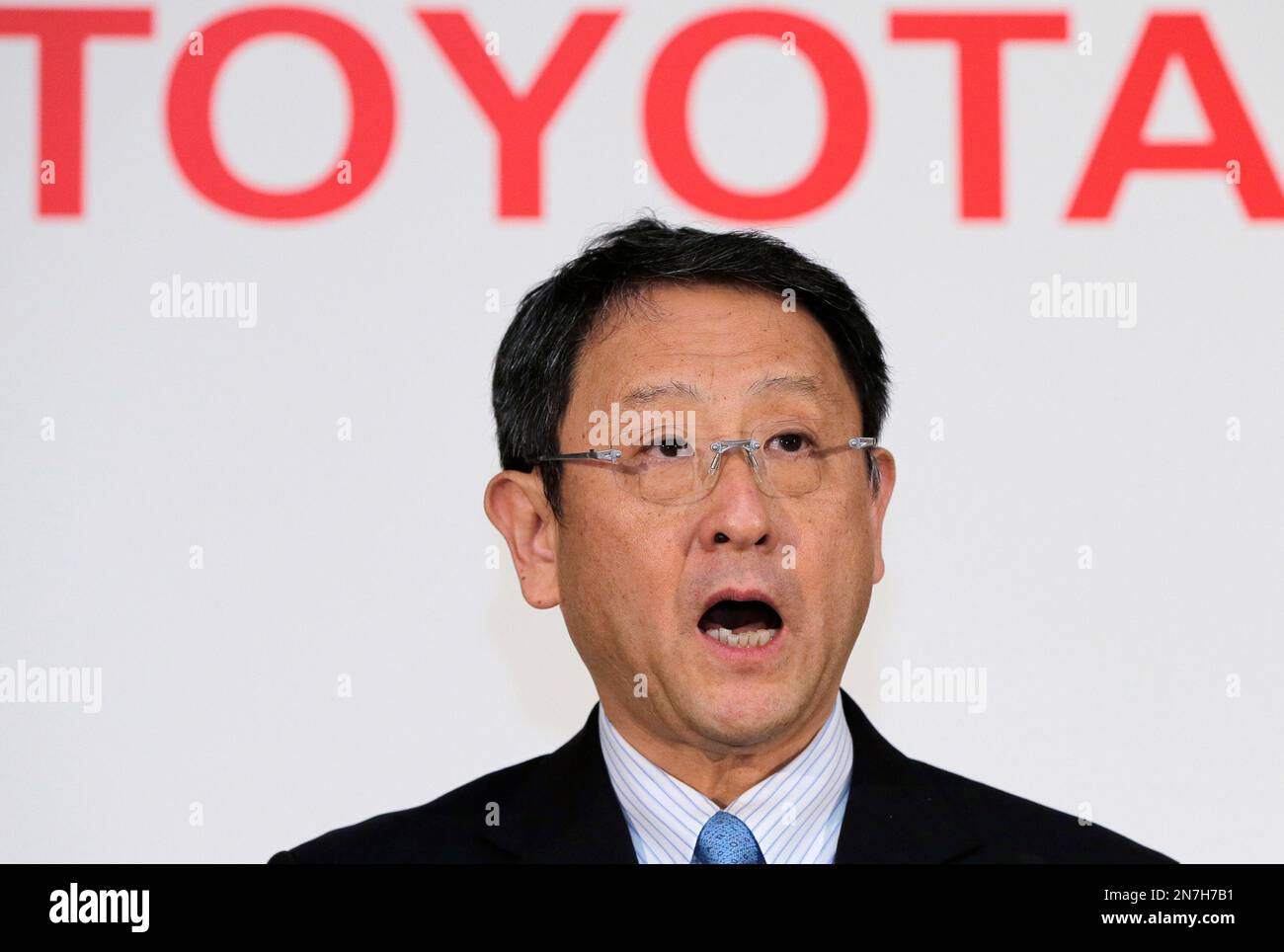
Toyota’s Chief Executive Officer, Koji Sato, has reiterated the company’s commitment to “stable supply and quality” in recent statements, suggesting that while production cuts are necessary, Toyota remains focused on delivering reliable vehicles to its customers. However, the extended timeline for these cuts—through November—indicates that the company expects current challenges to persist for the foreseeable future.
Broader Industry Trends and Toyota’s Position
The automotive industry is undergoing one of its most significant transformations in decades, with electrification, geopolitical tensions, and shifting consumer preferences reshaping the competitive landscape. Toyota’s production cuts reflect these broader trends:
- The Electrification Race: As governments worldwide impose stricter emissions regulations, automakers are accelerating their transition to electric and hybrid vehicles. Toyota, while a leader in hybrids, has faced criticism for lagging behind competitors in fully electric vehicle development. The current production cuts may force the company to reallocate resources toward EV production.
- Supply Chain Resilience: The COVID-19 pandemic exposed vulnerabilities in global supply chains, and the Middle East conflicts have further tested automakers’ ability to maintain steady production. Toyota’s decision to extend cuts through November signals a cautious approach to supply chain management.
- Consumer Behavior Shifts: Younger buyers, in particular, are increasingly prioritizing electrified vehicles over traditional gasoline-powered models. Toyota’s production adjustments suggest the company is responding to this shift by focusing on hybrids and plug-in hybrids, which offer a transitional solution for consumers.
Toyota’s ability to navigate these challenges will be critical to its long-term success. While the company has historically been conservative in its approach to new technologies, recent investments in battery development and partnerships with companies like Panasonic suggest a willingness to adapt to the changing market.
Next Steps: What to Watch For
The coming months will be pivotal in determining whether Toyota’s production cuts are a temporary adjustment or the beginning of a longer-term shift in the company’s strategy. Key developments to watch include:
- Toyota’s Financial Results: The company’s earnings report for the fiscal year ending March 2027 will provide clarity on the financial impact of the production cuts. Analysts will be closely monitoring revenue, profit margins, and cash flow statements.
- Supply Chain Improvements: Any signs of stabilization in the Middle East or breakthroughs in semiconductor supply could allow Toyota to gradually resume production. The company’s ability to secure alternative suppliers will also be a critical factor.
- Consumer Demand Trends: If demand for gasoline-powered vehicles continues to weaken, Toyota may accelerate its shift toward electrified models. The success of its hybrid and plug-in hybrid lineup will be a key indicator of this transition.
- Competitor Moves: How competitors like Volkswagen, Ford, and Tesla respond to Toyota’s challenges could further shape the industry landscape. For example, if Tesla expands production or introduces new models, it could draw buyers away from Toyota’s traditional offerings.
The next major checkpoint for Toyota will be its investor relations update scheduled for late July 2026, where the company is expected to provide an updated outlook on production, demand, and financial performance. Until then, dealers, suppliers, and consumers should brace for continued uncertainty in the automotive market.
What do you think about Toyota’s production cuts? Will they impact your next car purchase? Share your thoughts in the comments below or join the conversation on social media using #ToyotaProductionCuts. For the latest updates on Toyota’s global operations, visit their official investor relations page.