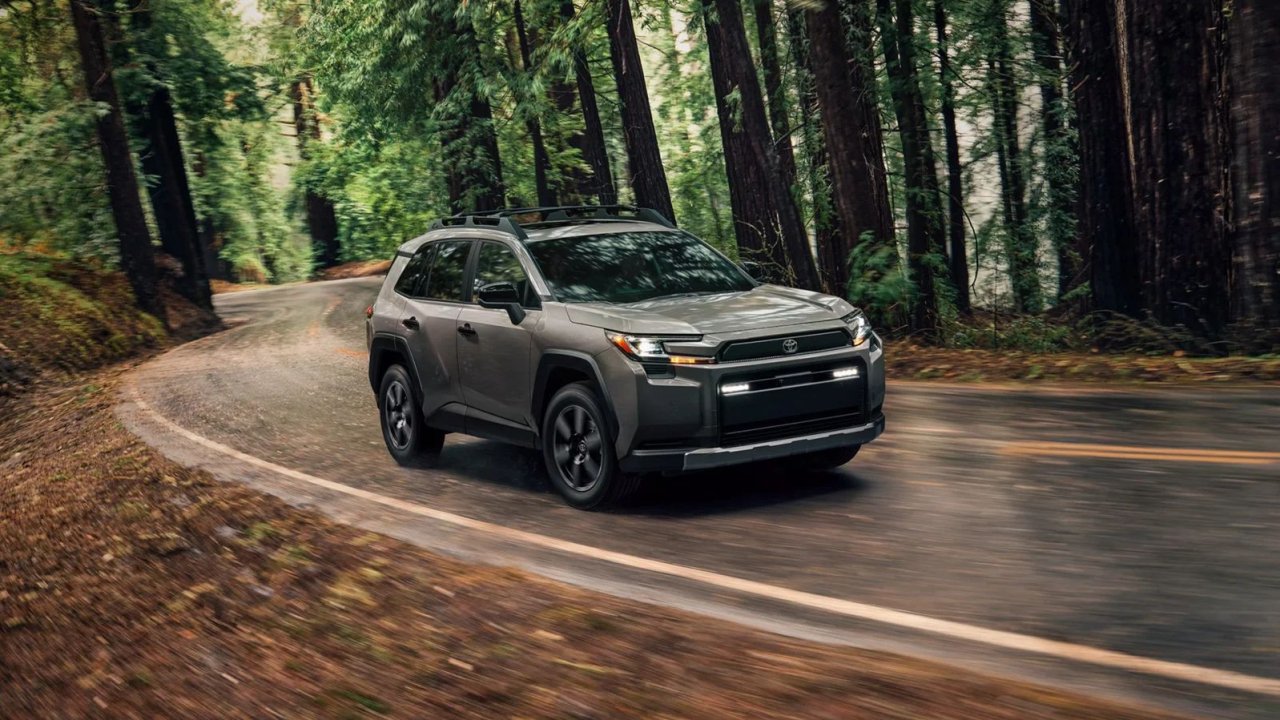
Toyota is shifting its best-selling RAV4 into a more premium segment, acknowledging it can no longer compete directly with emerging Chinese brands on entry-level pricing. The strategic pivot will affect global markets as budget competitors reshape consumer demand.
Budget-friendly automotive brands from China have fundamentally altered the dynamics of the global entry-level car market. In response, Toyota has adjusted its long-standing market strategy to avoid engaging in a direct price war.
The Ascendance of Affordable Chinese Rivals
Earlier in the year, company leadership maintained that lower vehicle prices alone would not threaten Toyota’s established reputation for long-term ownership experience, reliability, and quality. But the rapid ascent of affordable models has forced a reassessment.
Repositioning the RAV4 Upmarket
Speaking at the launch of the latest RAV4 generation, Riaan Esterhuysen, senior PR manager for Toyota South Africa, explained that competitors including BYD, Chery, Geely, Great Wall, Jetour, Omoda, and Jaecoo have effectively turned the entry-level market upside down. These manufacturers have captured buyers across lower and mid-tier new vehicle segments while successfully drawing used-car shoppers toward brand-new purchases.
As a result, the manufacturer made a conscious choice to increase prices on the new RAV4. Rather than fighting for bargain-seeking buyers, the vehicle is being repositioned as a more upscale crossover that competes in higher price tiers.
International Trade Walls and Regional Exceptions
The strategic shift affects vehicle availability and pricing across multiple international regions. While the United States remains insulated from Chinese automotive imports due to heavy tariffs, Chinese automakers are expanding rapidly across Europe, Australia, Southeast Asia, and Latin America.
Mexico and Canada in the Crosshairs
Mexico has emerged as a key growth hotbed for these brands. Meanwhile, Canada maintains more liberal import regulations than the United States, allowing Chinese-built vehicles to enter under different rules.
Industry observers note that competitive pressure is mounting beyond American borders. Other established manufacturers, including Ford, have issued warnings regarding the long-term reach of these expanding global competitors, signaling that the structural changes in vehicle pricing will continue to influence manufacturer strategies worldwide.
Related reading