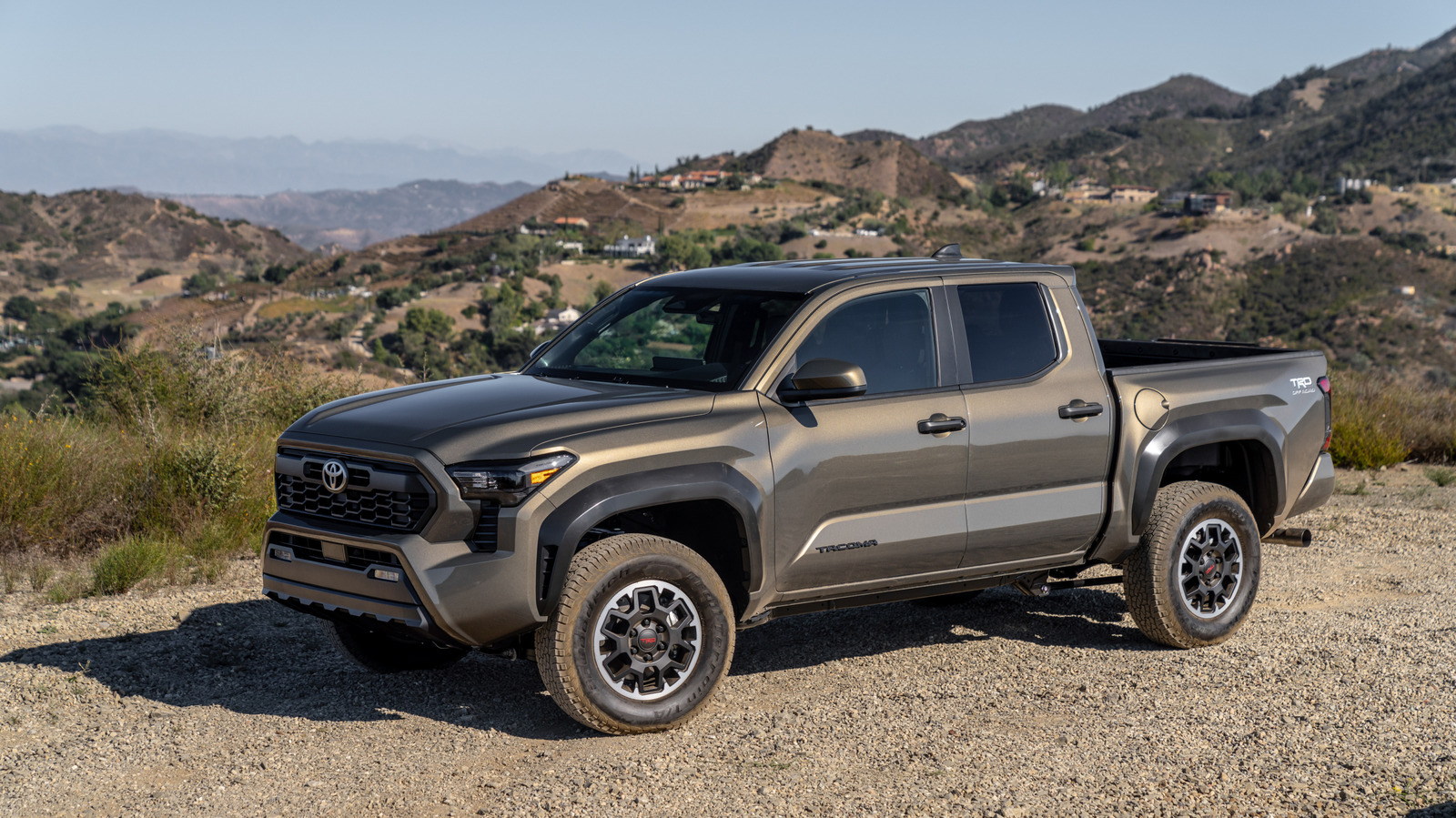
Toyota Motor North America has confirmed that production of its best-selling midsize pickup, the Toyota Tacoma, will expand to include manufacturing within the United States. While the Tacoma has long been a staple of the automaker’s North American lineup with assembly operations primarily based in Mexico, the company is integrating domestic production at its Indiana facility to meet consistent consumer demand. According to official statements from Toyota Motor North America, this strategic move aims to bolster the company’s regional supply chain resilience and respond to the sustained popularity of the Tacoma in the U.S. market.
For automotive consumers and industry observers, this transition represents a significant shift in Toyota’s regional manufacturing footprint. The Tacoma has maintained its position as the top-selling vehicle in the midsize pickup segment for nearly two decades, a status confirmed by sales data tracked by industry analysts. By moving a portion of production to Toyota Motor Manufacturing, Indiana (TMMI) in Princeton, the company is diversifying its assembly capabilities, which previously relied heavily on plants in Baja California and Guanajuato, Mexico.
Toyota Indiana Facility Expansion and Investment
The decision to bring Tacoma production to Indiana is supported by a significant capital investment. Toyota announced a $1.3 billion investment in its Princeton, Indiana, assembly plant to facilitate the infrastructure required for the truck’s assembly. This investment is not solely for the Tacoma; it is part of a broader push to modernize the facility and prepare for future electrification efforts, including the assembly of a new, three-row battery electric SUV.

Integrating the Tacoma into the Indiana plant allows the company to utilize an existing workforce already skilled in assembling large-platform vehicles, such as the Toyota Highlander and the Grand Highlander. The move is designed to mitigate logistical hurdles and reduce the reliance on cross-border transport for a vehicle that occupies a high-volume niche in the American automotive landscape. According to the company’s official manufacturing operations portal, the Princeton site serves as a primary hub for the company’s SUV and truck production in the U.S. heartland.
Market Impact and Sustained Demand for the Tacoma
The Tacoma’s market dominance is driven by its reputation for longevity and off-road capability. Despite increased competition from manufacturers like Ford, Chevrolet, and Jeep, the Tacoma has retained its lead in the midsize truck category. Analysts note that domestic production may help address inventory fluctuations that have occasionally impacted dealership lots. By producing units closer to the primary point of sale, Toyota aims to shorten lead times and improve inventory management for its North American dealer network.

The move also aligns with broader industry trends toward regionalization. Following supply chain disruptions observed in the automotive sector between 2020 and 2023, many manufacturers have pivoted to “local-for-local” production strategies. As reported by Reuters, the shift to U.S.-based assembly for high-demand models is a calculated effort to insulate production lines from international trade volatility and logistics delays.
Future Manufacturing Roadmap
While the transition to Indiana is a central component of Toyota’s current manufacturing strategy, the company continues to maintain its Mexican facilities as vital centers for its North American operations. The Baja California and Guanajuato plants remain integral to the production of the current generation of the Tacoma, which was recently redesigned to incorporate the TNGA-F global truck platform. This modular platform allows Toyota to share components across its truck lineup, including the Tundra and the Land Cruiser, providing the flexibility needed to balance production between different geographic sites.
Consumers looking for updates on vehicle availability or specific manufacturing origins can check the “Monroney label” or window sticker on new vehicles, which is required by federal law to disclose the final assembly point and the percentage of U.S./Canadian parts content. Toyota has indicated that the Indiana-built Tacomas will begin entering the retail market as the facility completes its retooling phases, with incremental increases in production volume expected throughout the coming model years.
The next official update regarding production milestones at the Princeton, Indiana, facility is expected during the company’s quarterly earnings call, where executives typically discuss regional manufacturing progress and capital expenditure updates. Readers are encouraged to monitor the Toyota Newsroom for the most recent press releases regarding operational changes and model-year production schedules.