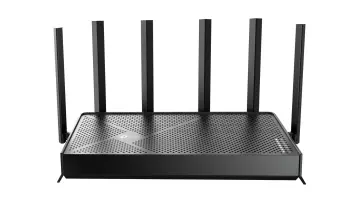
The TP-Link Archer BE6500, a high-performance Wi-Fi 7 router, is currently available at a significant discount, marking one of its lowest recorded price points since release. Retailers have adjusted the pricing for this model, reflecting a 36% reduction from its standard list price, providing a notable entry point for consumers looking to upgrade to the latest wireless networking standard. This price shift follows broader market trends in home networking hardware, where manufacturers are increasingly incentivizing the adoption of Wi-Fi 7-enabled devices.
Understanding the BE6500 Performance Specs
The TP-Link Archer BE6500 is engineered to leverage the capabilities of the IEEE 802.11be standard, commonly known as Wi-Fi 7. According to technical documentation from TP-Link, the device is marketed as a BE6500 tri-band router, capable of delivering combined wireless speeds of up to 6500 Mbps. The architecture utilizes the 6 GHz band, which is a hallmark of the Wi-Fi 7 specification, allowing for reduced congestion in environments with many connected devices.

From a hardware perspective, the unit includes 2.5 Gbps ports, which are essential for users who subscribe to multi-gigabit internet plans from their service providers. By utilizing 2.5 Gbps wired backhaul or input, the router ensures that the high-speed potential of the Wi-Fi 7 radio is not bottlenecked by standard 1 Gbps ethernet ports. This configuration is particularly relevant for households managing high-bandwidth activities such as 4K streaming, cloud gaming, and large-scale file transfers, as noted in general industry standards for Wi-Fi 7 technology.
Why Wi-Fi 7 Matters for Home Networks
The transition to Wi-Fi 7 represents more than just a speed increase; it involves fundamental changes to how data is managed across a home network. The standard introduces Multi-Link Operation (MLO), which allows a device to connect to multiple bands simultaneously. This improves reliability and reduces latency, as the system can dynamically switch or aggregate channels based on real-time interference patterns. For consumers, this means a more stable connection for latency-sensitive applications like video conferencing or interactive remote work.

Furthermore, the increased channel width—up to 320 MHz—allows for significantly more data throughput compared to the 160 MHz limit found in Wi-Fi 6. While the hardware itself is the primary driver of these improvements, the effectiveness of the network also depends on the client devices, such as smartphones and laptops, supporting the Wi-Fi 7 standard. Users considering this purchase should verify that their primary devices are compatible with the 6 GHz spectrum to fully realize the performance gains mentioned in Federal Communications Commission (FCC) reports regarding the opening of the 6 GHz band for unlicensed use.
Market Context and Purchasing Considerations
The current discount on the Archer BE6500 reflects a competitive landscape where networking brands are vying for early adopters of the Wi-Fi 7 ecosystem. As of mid-2024, the pricing for high-end networking gear remains volatile, with frequent fluctuations based on inventory levels and promotional cycles. This specific 36% discount is a temporary adjustment, though the exact duration of the promotion is subject to retailer-specific inventory management policies.
When evaluating this offer, consumers should also factor in the software ecosystem. TP-Link utilizes its Tether app and HomeShield subscription service to manage network security and parental controls. While the router hardware is the primary value proposition, the ongoing software support and firmware updates are critical for maintaining security. Users can track upcoming firmware releases and security advisories through the official TP-Link Support Center.
Evaluating the Value Proposition
For those currently utilizing older standards like Wi-Fi 5 or early Wi-Fi 6, the jump to a Wi-Fi 7 device like the BE6500 provides a significant upgrade path. The combination of the 6 GHz band and MLO technology addresses long-standing issues with network congestion in urban environments. However, the value of this purchase is maximized for users who have either already transitioned to multi-gigabit ISP tiers or plan to do so within the next two to three years.

The next major checkpoint for the industry involves the continued certification of consumer-grade hardware by the Wi-Fi Alliance, which ensures interoperability between different manufacturers’ equipment. For ongoing updates on Wi-Fi standard development and hardware compliance, users can monitor the Wi-Fi Alliance website. As always, consumers are encouraged to verify the specific return policies and warranty coverage of the retailer before completing their purchase, as these terms can vary significantly between platforms.
Have you upgraded your home network to Wi-Fi 7 yet? Share your experiences with multi-gigabit routing in the comments below.
Keep reading