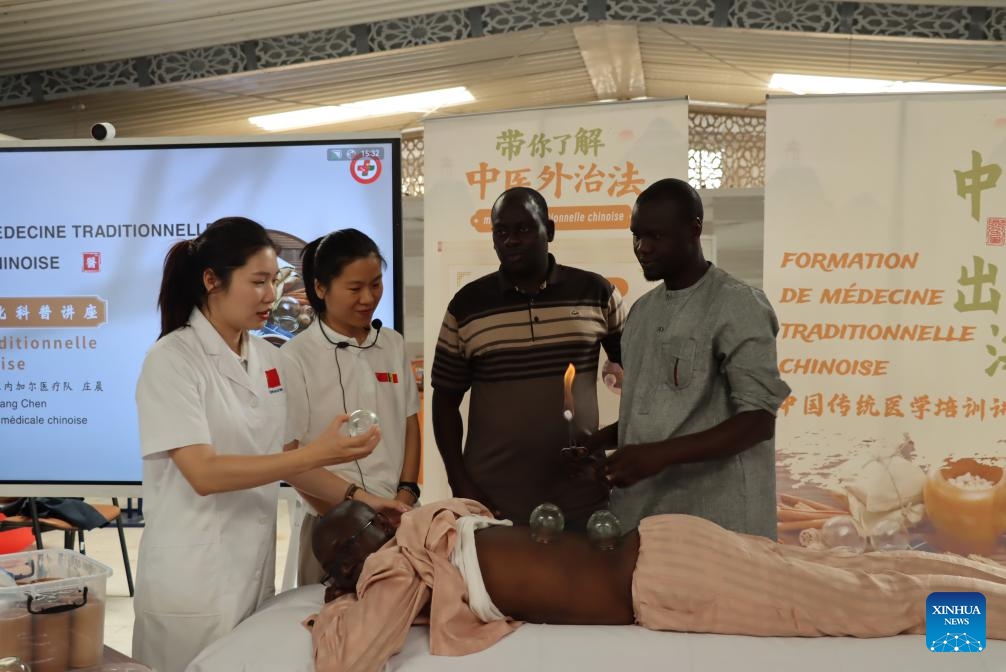
As the landscape of public health continues to evolve across West Africa, the Republic of Senegal is at a critical juncture regarding the integration and regulation of traditional medicine. For many citizens, the expertise of traditional healers remains a primary point of contact for healthcare, yet the sector currently operates within a complex, often informal, regulatory environment. As a physician and journalist, I have long observed that the strength of any national health system relies on the synergy between established clinical practices and the diverse, culturally rooted healing traditions that support millions of people.
The movement toward a formal legal framework for traditional medicine in Senegal is not merely an administrative exercise; it represents a significant effort to bridge the gap between ancient practices and modern safety standards. According to the World Health Organization, up to 70% of the African population relies on traditional medicine for their primary healthcare needs, highlighting the profound importance of this sector in achieving universal health coverage. In Senegal, the government is now working to ensure that this reliance is matched by rigorous clinical oversight, safety protocols and professional accountability.
Establishing a Regulatory Framework
The path toward legislation in Senegal has been characterized by a concerted effort to balance the cultural value of traditional pharmacopeia with the imperative of patient safety. Alphonse Ousmane Thiaw, the director of cabinet at the Ministry of Health and Social Action, has publicly underscored the urgency of this transition. He noted that the regulatory framework remains a primary challenge for the practice of traditional medicine in the country, and that efforts are currently underway to finalize a draft law currently under review at the National Assembly.

The proposed legislation aims to achieve several essential goals: the professional categorization of tradipraticiens (traditional health practitioners) and the establishment of standardized procedures for the authorization of their cabinets. By creating these structural safeguards, the Ministry intends to “clean up” the sector, ensuring that those who provide care are recognized, monitored, and held to professional standards. This process includes validating the efficacy and safety of traditional treatments through clinical trials, a move that aligns with global standards for integrating traditional, complementary, and alternative medicines into national health systems.
The Role of Traditional Medicine in Modern Health
The integration of traditional medicine into the broader healthcare discourse is a global priority. The World Health Organization emphasizes that when traditional practices are properly regulated, they can offer significant health benefits and serve as a valuable complement to conventional medical services. In Senegal, this is particularly relevant given the country’s long-standing reliance on plant-based treatments and the dedicated practitioners who administer them.
With a documented pharmacopeia that includes dozens of recognized medicines derived from traditional knowledge, the necessity of a regulatory body is clear. The goal is not to replace these traditions but to elevate them. By requiring that treatments be subjected to rigorous testing for both efficacy and safety, the government is working to protect patients from unregulated or unproven health claims while simultaneously preserving the medicinal heritage of the region.
Next Steps and Legislative Oversight
The legislative process in Senegal reflects a broader trend of institutionalizing public health oversight to protect citizen welfare. As the draft law moves through the National Assembly, the focus remains on the practical implementation of these new standards. The Ministry of Health and Social Action has indicated that the adoption of this law is a high priority, marking a potential turning point for thousands of practitioners and the patients they serve.
For the public, the transition will likely mean a clearer distinction between authorized, regulated practitioners and those operating outside of established safety guidelines. While the timeline for the final vote and subsequent implementation remains subject to the legislative schedule of the National Assembly, the commitment from health authorities suggests that a new era of professionalized traditional medicine is on the horizon.
As we continue to monitor these developments, It’s essential for the public to stay informed through official government channels and health ministry bulletins. The formalization of this sector is a complex task, but one that is vital for the health and safety of the Senegalese population. We invite our readers to share their perspectives on the intersection of traditional and modern medicine in the comments section below as we await further updates from the National Assembly.
Worth a look