
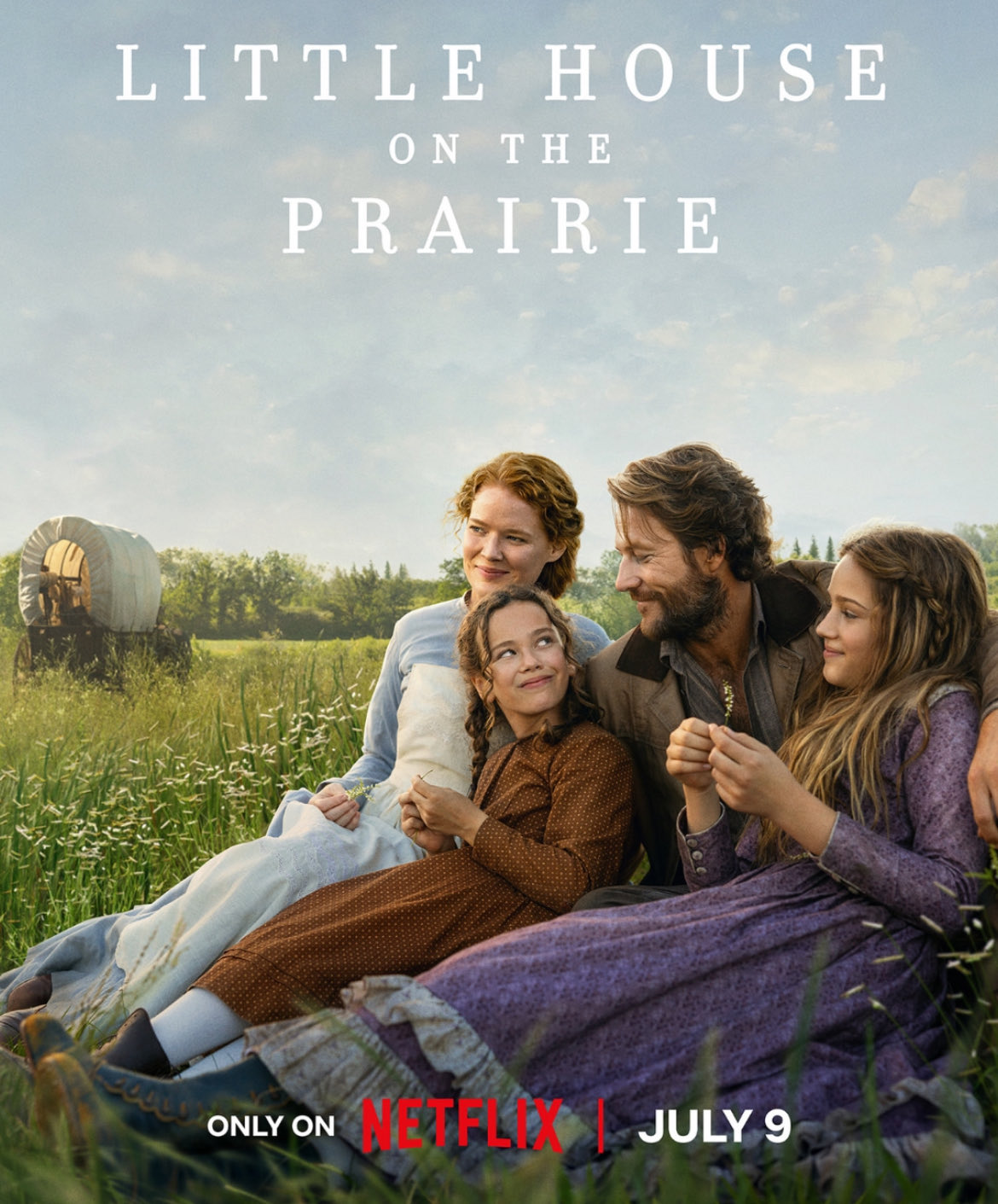
Netflix is set to premiere a new adaptation of Little House on the Prairie on July 9, reigniting public conversation about the endurance of Laura Ingalls Wilder’s frontier narratives in the modern era. As the streaming giant prepares to launch this latest iteration, the project arrives against a backdrop of shifting cultural debates, including the rising interest in “tradwife” aesthetics and broader “anti-woke” sentiment, both of which have increasingly intersected with discussions surrounding traditionalist media and historical family values.
The Little House franchise has historically functioned as a cultural mirror. From the publication of Wilder’s semi-autobiographical novels in the wake of the Great Depression to the 1974 television series that debuted during a period of economic recession and an oil crisis, each version of the Ingalls family story has been shaped by the anxieties and aspirations of its time. According to the production team, the new Netflix series aims to examine the complexities of frontier life while maintaining the core appeal of the source material. Luke Bracey, who portrays the family patriarch Charles “Pa” Ingalls, suggests the appeal remains consistent despite the changing landscape. “The stories are able to transcend generations, which speaks to its basic nature,” Bracey stated. “This is a family trying to get along in the world.”
Frontier Narratives and Modern Cultural Trends
The resurgence of interest in pioneer-era domesticity has recently been linked to the “tradwife” social media phenomenon, which emphasizes traditional gender roles and domestic labor. While Wilder’s books portray a life of grueling physical hardship, modern digital interpretations of the aesthetic often focus on the idealized domesticity of the 19th-century frontier. Cultural critics suggest that the upcoming Netflix reboot may face scrutiny from two sides: viewers seeking an authentic historical depiction of the 1870s American West, and those who view the material through the lens of modern political polarization.

The original television series, which ran for nine seasons on NBC, frequently addressed social issues through the lens of 19th-century morality, often tempering the stark realities of frontier poverty with an optimistic, community-focused narrative. Whether the new production will lean into the gritty survival elements of the source text or maintain the sentimental tone of its predecessor remains a central question for audiences. The production has been characterized as a “glossy” update, suggesting a visual shift from the aesthetic of the 1974 series.
Historical Context of the Little House Franchise
Laura Ingalls Wilder’s novels, which began with Little House in the Big Woods (1932), were written to preserve the memory of a vanishing way of life. The subsequent television adaptation, produced by Ed Friendly and starring Michael Landon, became a staple of syndication, finding a renewed audience during the COVID-19 pandemic as viewers sought comfort in historical dramas. This sustained popularity is a primary factor in the current interest in a contemporary reboot.
The transition from page to screen has always involved a degree of modernization. In the 1970s, Landon’s version of Charles Ingalls was noted for its departure from the more stoic, often stern character depicted in Wilder’s writing, shifting toward a more emotionally expressive father figure. The extent to which the 2024 Netflix adaptation mirrors these past reinterpretations will be a key metric for critics and fans alike. According to recent industry reports, the project is intended to appeal to both long-time fans of the franchise and new viewers who have not previously engaged with the source material.
What to Expect from the July 9 Premiere
As the July 9 release date approaches, Netflix has kept specific plot details regarding the scope of the adaptation tightly under wraps. While the series is confirmed to focus on the Ingalls family’s migration and settlement, it is unclear if the show will cover the entirety of the book series or focus on a specific time period. The casting of Bracey as Charles Ingalls indicates a focus on the patriarch’s role as the primary provider and protector, a central pillar of the original narrative structure.

For viewers interested in the historical accuracy of the production, the series will likely face comparisons to the actual journals and historical records of the Ingalls family’s time in Kansas, Minnesota, and South Dakota. The Laura Ingalls Wilder Historic Home and Museum, located in Mansfield, Missouri, continues to serve as the primary repository for research regarding the author’s life and the historical reality of the frontier experience. Those seeking further information on the historical timeline of the Ingalls family can consult the official archives maintained by the museum or the biographical research provided by the South Dakota State Historical Society.
The series is currently scheduled for its global release on Netflix on July 9. Production updates and official trailers are expected to be released via the platform’s social media channels in the weeks leading up to the premiere. We invite our readers to share their thoughts on the evolution of this classic story in the comments section below.