
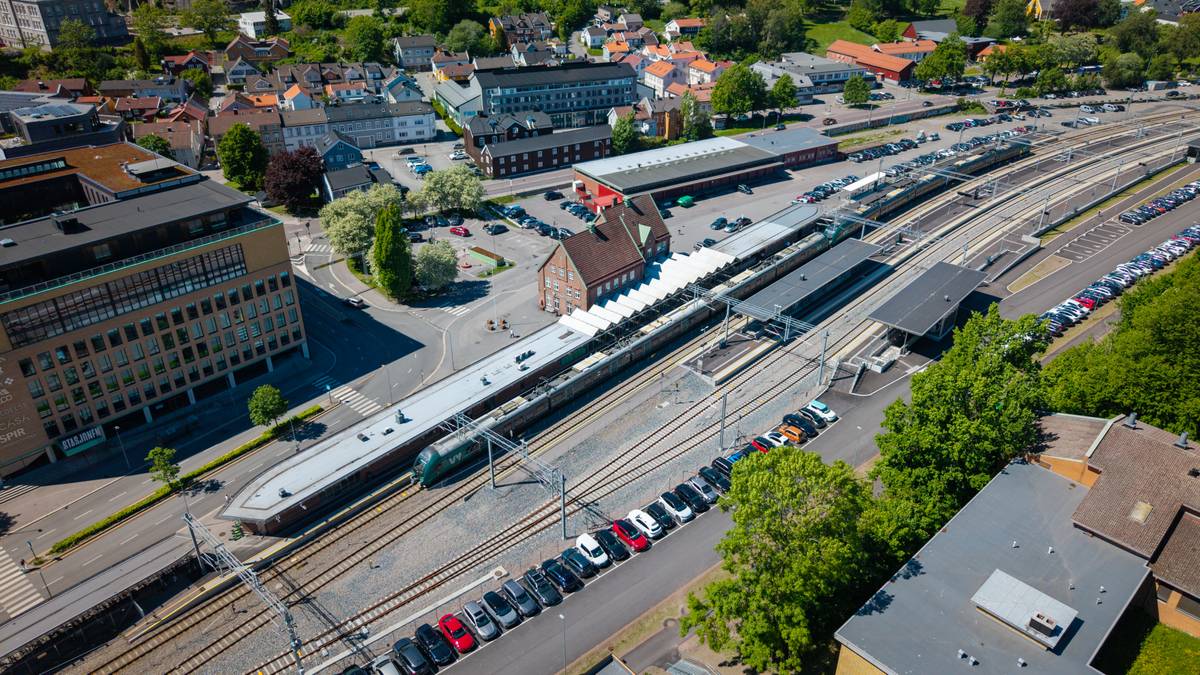
Commuters on the Vestfold Line in Norway face continued service instability as a shortage of available rolling stock is delaying the planned increase in train frequency. The expansion, intended to improve capacity between Oslo and Tønsberg, has been postponed.
The delay underscores ongoing systemic challenges within the Norwegian rail network. Constraints on the Vestfold Line are part of a broader effort to modernize the nation’s railway corridors.
Infrastructure Challenges and Fleet Constraints
The core of the issue lies in the limited number of operational train sets available to meet the planned service frequency. While the government has signaled a commitment to upgrading the Sørlandsbanen and surrounding corridors, the immediate reality for passengers remains one of limited capacity. The government is currently overseeing long-term investments intended to address these capacity gaps, but these projects require significant lead times for both track upgrades and the procurement of new, reliable rolling stock.
For daily commuters, the lack of additional departures translates to continued pressure on existing services during peak morning and evening hours. The reliability of the rail link is particularly critical for those traveling to Tønsberg for employment, medical appointments, or educational obligations.
Government Policy and Long-term Railway Strategy
Political discourse regarding the state of the railways has intensified, with various parties debating the pace of infrastructure development. The administration has emphasized that the goal is to build a more robust network, though officials acknowledge that the transition phase involves significant disruption. The operator is working to optimize the current fleet, yet the physical limitations of the existing train sets remain a binding constraint on service expansion.
The debate often centers on the tension between long-term capital investment and short-term service quality. Critics argue that the focus on future infrastructure projects should not come at the expense of current operational stability. Conversely, transport authorities maintain that the current modernization efforts are essential to preventing further systemic degradation of the national rail grid.
What Passengers Can Expect Next
There is no fixed date for when the planned frequency increase on the Vestfold Line will be fully implemented. Passengers are advised to monitor official channels for real-time traffic information and schedule adjustments.

Moving forward, the focus remains on the integration of new rolling stock as it becomes available through ongoing procurement cycles. The next major milestone for the region involves the evaluation of the current winter traffic schedule and potential adjustments to the spring timetables, which are typically finalized following coordination between the operator and the infrastructure manager. Commuters are encouraged to subscribe to push notifications via the official operator applications to receive immediate alerts regarding delays or cancellations that may impact their travel plans.
With over 16 years of experience in global investigative journalism, he focuses on infrastructure policy and international transit developments.