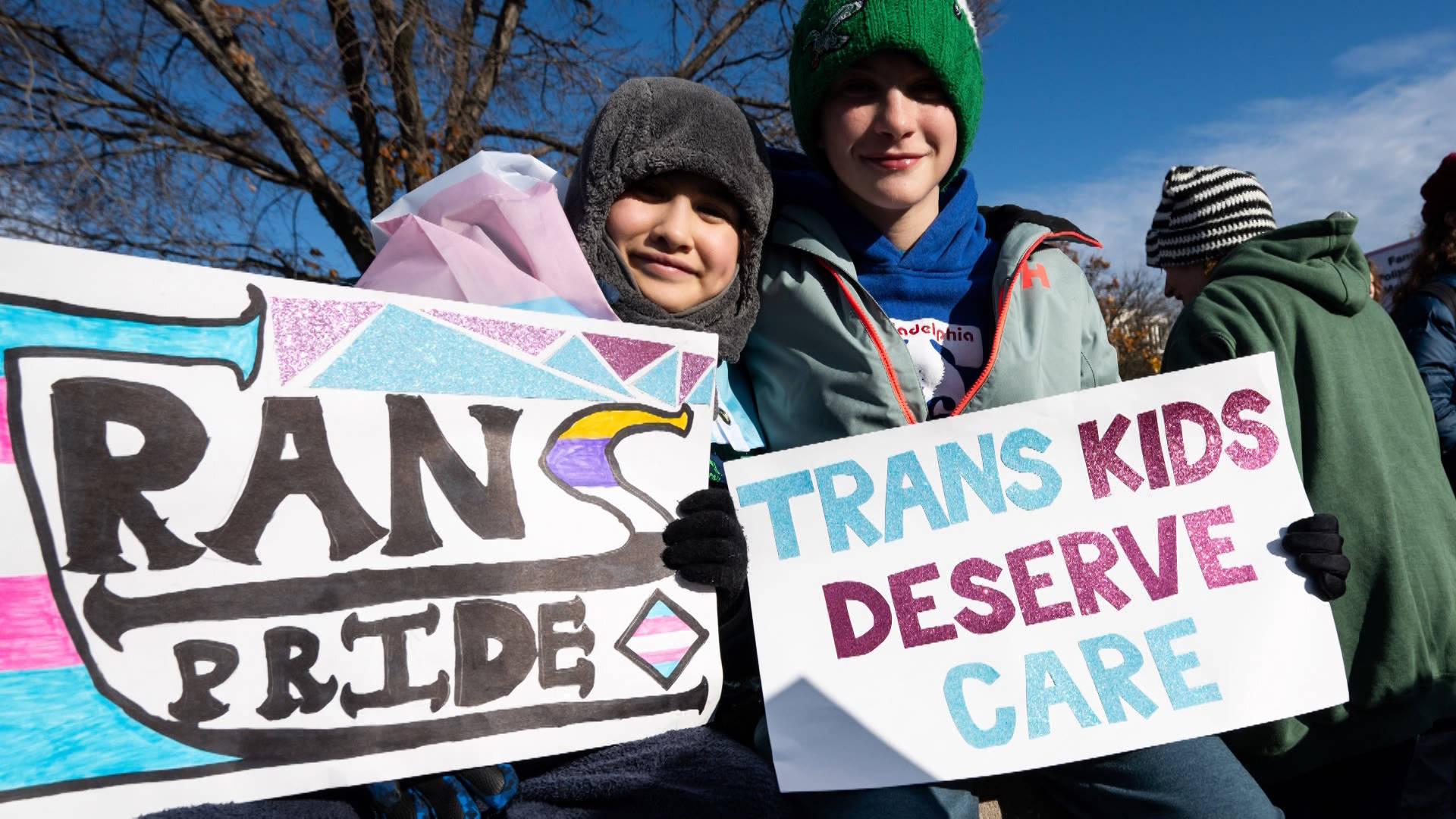
Mounting Opposition to Federal Ban on gender-Affirming Care: A Deep Dive into the Current Landscape
The House of Representatives recently passed a bill aiming to restrict access to gender-affirming care nationwide, sparking intense debate and raising serious concerns about the rights of transgender and gender non-conforming individuals, particularly youth. This move follows a wave of similar bans enacted at the state level, creating a fractured and increasingly hostile environment for transgender healthcare. But what does this federal push mean, and whatS being done to counter it? let’s break down the situation, the arguments, and the path forward.
The Core of the Controversy: A Bill rooted in Ideology,Not Medicine
The proposed legislation centers around prohibiting certain medical procedures for transgender youth. Opponents, including medical professionals and civil rights advocates, argue the bill is based on misinformation and a fundamental misunderstanding of gender-affirming care. As Dr. Jeffrey Birnbaum, a pediatrician specializing in adolescent medicine, pointed out in a recent interview, the comparison to other accepted adolescent procedures – like breast augmentation or reduction – highlights the inconsistency and potential harm of this targeted ban.
“Why would this be allowed for her, but not for somebody who is transgender, transgender youth?” Dr. Birnbaum questioned, emphasizing the arbitrary nature of the restrictions. The core issue isn’t about the type of care,but who is receiving it.
This isn’t simply a medical debate. as Chase Strangio, co-director of the ACLU’s LGBTQ & HIV Project, articulated, the rhetoric surrounding this legislation often veers into deeply problematic territory. During a recent HHS press conference, a deputy secretary framed the rejection of transgender identity as a rejection of “what God intended,” revealing the ideological underpinnings driving these policies. This underscores that the debate isn’t about science or health, but about a wholesale rejection of trans identity.
Understanding Gender-Affirming Care: What It Actually Entails
It’s crucial to understand what gender-affirming care is. It’s a comprehensive approach tailored to the individual,encompassing a range of services,including:
* Social Transition: Allowing a person to express their gender identity through clothing,pronouns,and name.
* Therapy & Counseling: providing support and guidance throughout the process.
* Puberty Blockers: (For adolescents) Temporarily delaying the onset of puberty, allowing time for exploration and decision-making. These are fully reversible.
* Hormone Therapy: Using hormones to align secondary sex characteristics with gender identity.
* Surgery: (Typically for adults, and frequently enough after a lengthy period of consideration and evaluation) Surgical procedures to further align physical characteristics with gender identity.
The care is individualized, evidence-based, and guided by established medical protocols. It’s not a one-size-fits-all approach, and decisions are made collaboratively between the patient, their family, and their healthcare team.
The Escalating Impact: Rising Hate Crimes and a Climate of Fear
The legislative attacks aren’t happening in a vacuum. A recent Washington Post report revealed a sharp increase in school hate crimes in states with anti-LGBTQ laws. This demonstrates the real-world consequences of these policies, creating a climate of fear and hostility for LGBTQ+ youth.
You can see a clear correlation: when lawmakers signal that transgender individuals are less deserving of rights and protections, it emboldens discrimination and violence. This isn’t just about healthcare access; it’s about the safety and well-being of an entire community.
What Happens Next: The Senate and Beyond
The bill now moves to the Senate, where its fate is uncertain.
* Senate Vote: A vote of 60 senators is required to overcome a filibuster and pass the legislation.
* Potential Veto: Even if the bill passes the Senate, President Biden has indicated he would veto it.
* State-Level Battles: Regardless of the federal outcome, the fight will continue in state legislatures across the country. More then half of states already have bans or restrictions in place, and further challenges are expected.
How You Can Take Action: mobilizing for Change
The situation is urgent, but not hopeless. Here’s how you can get involved:
* Contact Your Senators: Let your
Keep reading
- OPEC+ Increases Oil Production Quotas Amid Middle East Conflict
- S&P 500 profit growth is getting even wilder as Amazon makes its mark
- The Congressional Review Act, Explained: How Congress Kills Federal Rules (daybreakwire.com)
- University of Iowa International Writing Program Secures Funding After Losing Federal Support (news-usa.today)