The Trauma Trap: Why Labeling Distress May Be Doing More Harm Than Good
We live in an age of unprecedented openness about mental wellbeing. yet, despite increased awareness and conversation, are we actually healthier? A growing chorus of experts suggests the answer is a surprising – and concerning – no. Actually, the very act of framing everyday struggles as “trauma” might potentially be exacerbating the pain it intends to address.
This isn’t to diminish genuine suffering. But a critical look at how we discuss and diagnose distress reveals a complex issue with possibly damaging consequences. Let’s explore why, and what a more helpful approach might look like.
The Problem with Pathologizing Pain
For decades, the trend has been toward expanding the definition of trauma. While increased awareness is valuable, some argue it’s gone too far. As Dr. Shahram Javanbakht,a psychiatrist specializing in trauma,explains,labeling distress as a mental health problem can inadvertently increase symptoms. The label itself can become destructive.
Consider this: are we truly experiencing “trauma,” or simply…pain? Contreras, a therapist interviewed on the topic, points out that much of the distress experienced, especially by younger generations, stems from very real, but not necessarily traumatic, sources:
* digital displacement
* Environmental decline
* Strained social connections
* A lack of clear pathways to upward mobility
“People think it’s trauma,” she says, “But no, it’s pain, and pain is the way the world is designed.” This isn’t to say pain isn’t valid, but recognizing it’s source is crucial.
The Rise of “Trauma” as a Moral Category
This shift in language isn’t merely semantic. Anthropologist Didier Fassin and psychiatrist Richard Rechtman, in their book The Empire of Trauma, argue that trauma has evolved beyond a medical diagnosis. It’s become a moral and political category, dictating who receives resources and compassion.
As they succinctly put it: “Trauma has become the privileged idiom through which individual and collective suffering is expressed.”
This creates a hierarchy of suffering. Those with the platform and resources to articulate their “trauma” - often seen on social media – gain access to therapeutic support and validation. Meanwhile, the suffering of those facing systemic hardship – refugees, veterans, individuals in extreme poverty – is often marginalized.
the Perils of Performing Distress Online
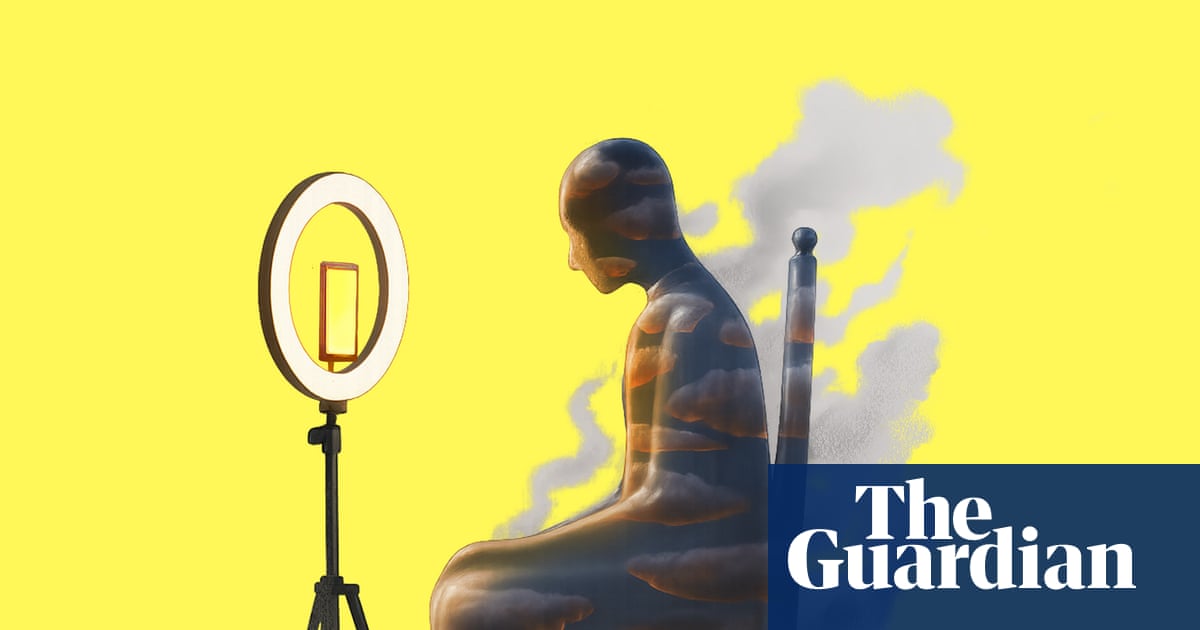
The proliferation of trauma narratives online presents another challenge. Javanbakht argues that constant “performances of distress” can actually trivialise the experiences of those who have endured truly debilitating harm.
Think about it: how many survivors of torture or refugees sharing their stories do you see trending on TikTok? Instead, we’re often presented with narratives from those who have ”the time and the resources and the sense that I am important enough to share my glorious trauma with others.”
This isn’t to dismiss anyone’s pain, but to highlight the imbalance. It’s a situation where the privileged are amplified, while systemic suffering remains largely unseen.
Reclaiming Your Agency: A Different Approach
If constantly branding experiences as “trauma” is ultimately more harmful than helpful, what should we do? Javanbakht suggests a radical shift in viewpoint: stop brandishing the label.
He emphasizes the importance of reclaiming your agency. “Your freedom – to choose, to process, to make meaning, to resist – is the most important thing you have,” he says.
Remember, you live only once. Every moment spent dwelling solely on past pain is a moment lost.
Moving Forward: Focusing on Resilience and Meaning
Instead of solely focusing on trauma, let’s prioritize:
* Acknowledging pain as a universal human experience. It’s okay to hurt.
* Building resilience. Developing coping mechanisms and support systems.
* Finding meaning. Identifying purpose and values that guide you forward.
* Addressing systemic issues. Working towards a more just and equitable world.
Openly discussing mental wellbeing is vital. But let’s ensure that conversation fosters genuine healing, empowerment, and a deeper understanding of the human condition – not simply a proliferation of labels.
Resources:
* Fassin, D., &
Keep reading