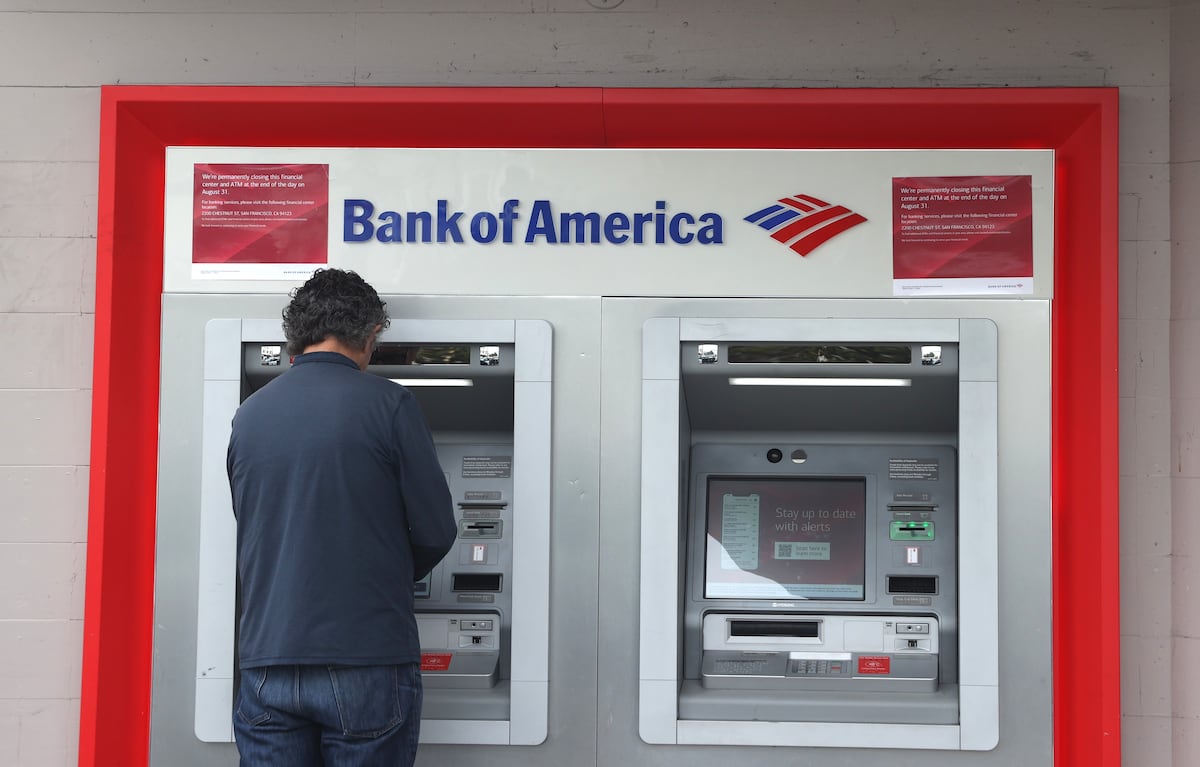
In a significant shift regarding domestic financial oversight, the current administration has signaled a heightened focus on the role of banking institutions in identifying and reporting potential illicit activities related to immigration status. This policy direction positions financial entities as central participants in a broader effort to monitor and mitigate what officials describe as the misuse of the U.S. Financial system.
The push to involve private financial institutions more deeply in verification and compliance protocols reflects an ongoing debate over the intersection of immigration enforcement and the private sector. As Treasury officials emphasize the need to protect the integrity of taxpayer-funded systems, the burden of implementation increasingly falls upon banks and credit unions, which are tasked with ensuring that account access adheres to federal regulatory standards. This development has sparked discussions among industry experts and privacy advocates regarding the scope of banking mandates and the potential impact on accessibility for various populations.
Regulatory Oversight and Financial Compliance
At the heart of this initiative is the administration’s stated objective to prevent the unauthorized use of financial services to access government benefits or facilitate activities deemed detrimental to the public treasury. Secretary of the Treasury Scott Bessent has articulated a firm stance on this issue, asserting that the administration aims to ensure that financial institutions are not utilized in ways that allow individuals to circumvent immigration laws. According to official statements from the U.S. Department of the Treasury, the focus remains on enhancing the accuracy of data verification processes and ensuring that institutional policies align with federal priorities concerning national security and fiscal responsibility.
Banks are already subject to the Bank Secrecy Act (BSA), which requires financial institutions to assist U.S. Government agencies in detecting and preventing money laundering. The current administration’s move suggests an expansion of these expectations, specifically targeting the verification of documentation provided by account holders. For many institutions, this requires navigating a complex landscape of state and federal regulations, balancing the necessity of compliance with the operational costs of enhanced due diligence.
The Impact on Financial Institutions
For the average consumer, these changes may remain largely invisible; however, for financial institutions, the operational implications are substantial. Compliance departments are now under pressure to refine their “Know Your Customer” (KYC) frameworks to identify potential discrepancies in documentation. This process often involves cross-referencing information with federal databases, a task that requires both technological investment and rigorous staff training to avoid errors or discriminatory practices.
Industry groups, including the American Bankers Association, have frequently engaged with regulators to discuss the balance between necessary oversight and the potential for increased regulatory burden. The challenge for banks lies in maintaining efficiency while adhering to the heightened scrutiny demanded by the executive branch. As the administration continues to prioritize this enforcement strategy, banks are increasingly focusing on automated verification tools to manage the influx of data and ensure compliance with evolving federal guidance.
What This Means for the Public
The core of this policy is an effort to safeguard taxpayer resources, which the administration identifies as a critical priority. By targeting the points of entry into the financial system, officials aim to reduce the risk of fraud associated with the misuse of identification documents. However, this strategy also raises questions about financial inclusion. Critics of such policies often point to the risk that increased scrutiny could inadvertently marginalize individuals who may be legally present but lack certain types of conventional documentation, potentially leading to the closure of accounts or the denial of services.
The Consumer Financial Protection Bureau (CFPB) remains a key body monitoring how these enforcement actions interact with consumer protection laws. While the Treasury leads on the enforcement of financial security, the CFPB is tasked with ensuring that such actions do not violate the rights of consumers or impede fair access to banking services. As the administration’s strategy unfolds, the interplay between these two agencies—one focused on security and the other on consumer rights—will be a defining factor in how these regulations are applied in practice.
Looking Ahead: Compliance and Future Actions
The administration has not yet provided a comprehensive timeline for the next phase of these enforcement efforts, but market participants are anticipating further guidance from the Financial Crimes Enforcement Network (FinCEN). Future updates are expected to clarify the extent of the reporting requirements for financial institutions, particularly regarding how they should flag suspicious activity related to immigration status. For banking institutions, the current landscape is one of preparation, as they wait for more granular instructions on how to balance the administration’s security priorities with their existing obligations to customers and regulators.
We will continue to track official filings and guidance from the Department of the Treasury as this policy evolves. Readers who wish to stay informed on the specific regulatory updates should monitor the Federal Register for upcoming proposed rules and public comment periods, which provide the most accurate account of the government’s next formal steps. We invite our readers to share their perspectives on the impact of these financial oversight measures in the comments section below.
Worth a look