
Trnava municipal authorities have introduced new aesthetic regulations for outdoor business terraces in the city’s historic center, prohibiting the use of wooden flooring and commercial advertising on sun umbrellas. The mandate requires all outdoor seating areas to be positioned directly on the existing city paving to maintain the visual and historical integrity of the district.
The decision, implemented by the Trnava city administration, aims to standardize the appearance of the urban landscape in the central zone. By restricting how businesses furnish their outdoor spaces, officials intend to reduce “visual pollution” and ensure that the commercial use of public space does not detract from the architectural heritage of the region.
The new rules specifically target two common elements of outdoor hospitality: raised wooden platforms and branded parasols. Under the updated guidelines, restaurant and cafe owners can no longer install wooden decks or elevated flooring to define their terrace boundaries. Instead, furniture must sit flush with the established stone or cobblestone paving of the city streets.
What are the specific restrictions for Trnava’s outdoor terraces?
The regulations focus on maintaining a uniform aesthetic throughout the historic core. According to the new municipal guidelines, the primary restrictions include the following:
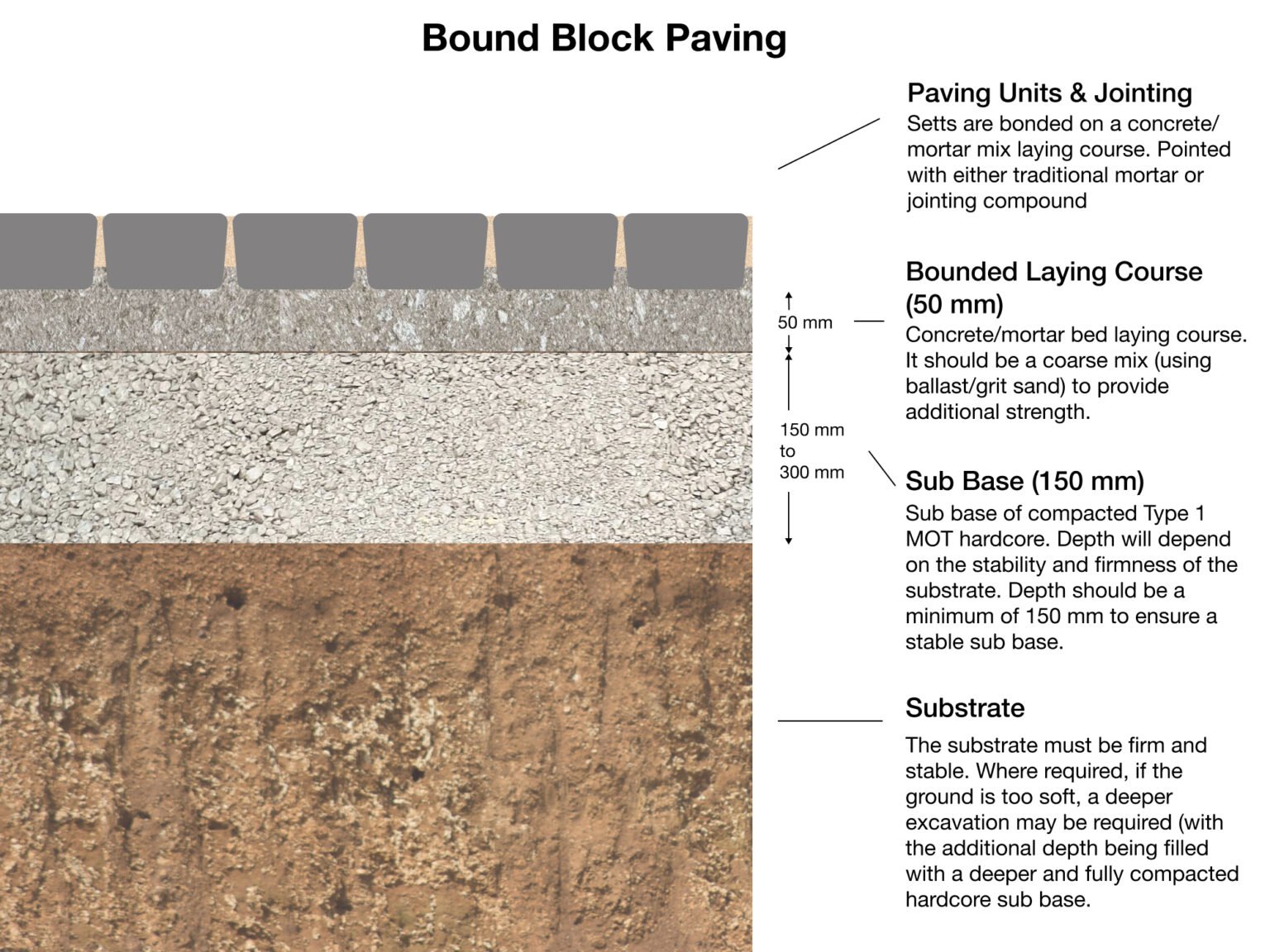
- Direct Paving Requirement: Businesses are prohibited from installing wooden floors or any secondary surfacing for their outdoor seating. All tables and chairs must be placed directly on the city’s existing pavement.
- Umbrella and Parasol Advertising Ban: Sun umbrellas used to shade outdoor patrons may no longer feature commercial logos, brand names, or advertisements. The city requires these items to be plain or follow a standardized aesthetic to prevent brand clutter.
- Material and Design Uniformity: While specific color palettes were not detailed in the initial announcement, the emphasis remains on preventing highly contrasting or non-traditional materials from disrupting the historical streetscape.
City officials stated that these measures are designed to create a cohesive environment for both residents and tourists. By removing the visual fragmentation caused by various wooden platforms and colorful, branded umbrellas, the administration seeks to highlight the city’s historic architecture rather than the commercial interests of individual establishments.
Why did Trnava introduce these aesthetic restrictions?
The move is part of a broader urban planning strategy common in many European “Old World” cities, where the tension between economic development and heritage preservation is a constant challenge. Trnava, which holds significant historical value in Slovakia, faces the difficulty of supporting a thriving hospitality sector while protecting its architectural identity.
Urban planners in the region often cite “visual clutter” as a primary reason for such mandates. When every restaurant installs a different style of wooden decking or uses brightly colored, branded umbrellas, the streetscape becomes a patchwork of competing visual signals. This can obscure the sightlines of historical buildings and diminish the perceived value of the historic district as a cultural destination.
Furthermore, the prohibition of wooden flooring addresses practical urban management concerns. Elevated wooden platforms can create uneven walking surfaces, posing potential trip hazards for pedestrians and complicating maintenance for city cleaning services. By requiring seating to be placed directly on the paving, the city ensures that the public right-of-way remains as accessible and uniform as possible.
How will these changes affect local businesses and the hospitality sector?
The new regulations present a significant shift for restaurant and cafe owners who have already invested in specific terrace setups. For many establishments, wooden flooring serves not only an aesthetic purpose but also a functional one, providing a level surface for furniture in areas where the historical paving may be uneven.
Business owners may face several immediate challenges:
- Retrofitting Costs: Establishments with existing wooden platforms will likely need to dismantle these structures to comply with the new mandate, incurring unexpected labor and disposal costs.
- Loss of Branding Opportunities: The ban on advertising on umbrellas removes a low-cost marketing tool for local businesses, which may impact their ability to build brand recognition in a crowded market.
- Operational Adjustments: Managing furniture on uneven historical paving may require different maintenance routines or specific types of heavy-duty furniture to ensure stability.
While some hospitality stakeholders may view these rules as an unnecessary burden, the city maintains that a more aesthetically pleasing and unified center will ultimately benefit the local economy. The administration argues that a high-quality, well-preserved historic environment attracts more high-spending tourists, which provides a long-term economic advantage that outweighs the temporary costs of compliance.
Comparison of Terrace Standards in Trnava
The following table outlines the transition from previous practices to the new municipal standards for the historic center.

| Feature | Previous Practice | New Regulation |
|---|---|---|
| Flooring/Base | Wooden decks and raised platforms permitted | Directly on existing city paving only |
| Umbrella Branding | Commercial logos and advertisements allowed | Plain or non-branded umbrellas only |
| Visual Intent | Individualized business branding | Unified historical aesthetic |
| Surface Level | Variable heights via wooden flooring | Uniform street-level surface |
This shift represents a move away from the “individualized” model of urban space usage toward a “collective” model, where the appearance of a business is secondary to the appearance of the city itself.
The implementation of these rules is expected to be monitored by municipal inspectors to ensure compliance. Business owners are encouraged to review their current outdoor setups to prepare for the transition. Further updates regarding specific inspection timelines and grace periods for existing installations are expected from the Trnava City Hall in the coming weeks.
What are your thoughts on these new urban design rules? Do you believe aesthetic uniformity benefits local tourism, or does it limit business creativity? Share your comments below and share this article with your network.
Worth a look