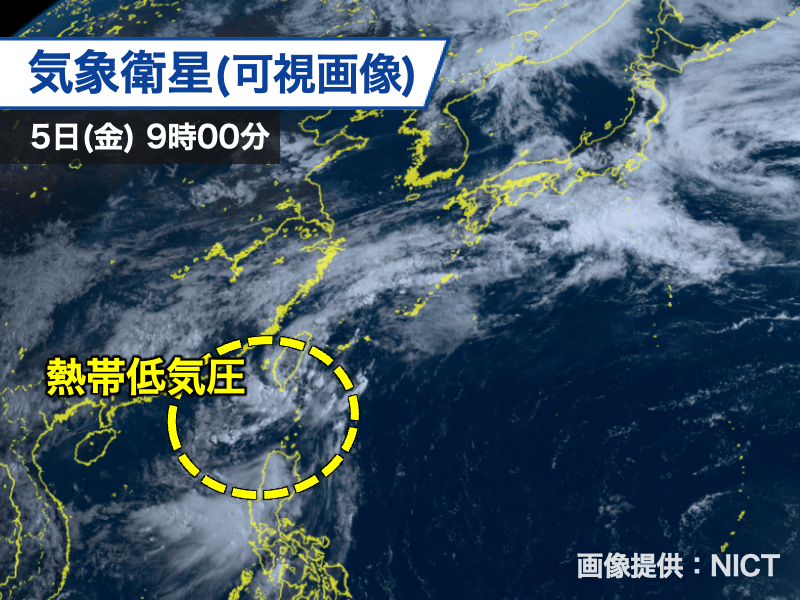
As we head into the weekend, residents across Western Japan are being urged to prepare for deteriorating weather conditions as a tropical depression approaches the region. Meteorological patterns indicate that the system is expected to track toward the Japanese archipelago, bringing the potential for heavy rainfall and gusty winds that could persist into early next week.
For those living in vulnerable coastal areas or regions prone to landslides, this shift in the weather requires immediate attention. The Japan Meteorological Agency (JMA) is currently monitoring the development of this low-pressure system, which is forecasted to bring unstable atmospheric conditions across a wide swath of the country. Understanding the trajectory of this tropical depression is critical for residents and travelers alike as we look toward the coming days.
Monitoring the Tropical Depression Path
The current forecast suggests that the tropical depression will move toward Western Japan, with its influence expected to be felt most acutely from late Sunday through Monday. While the exact intensity of the system remains subject to change, the JMA consistently updates its official typhoon and tropical depression tracking maps to provide real-time guidance to the public. The primary concern is not only the volume of precipitation but also the potential for sudden atmospheric instability, which can lead to localized torrential rain.
In meteorological terms, a tropical depression of this nature often carries a high moisture content, which can interact with local topography to produce significant rainfall totals in relatively short periods. Authorities are advising the public to remain vigilant, as the combination of wind and rain can significantly impact transportation networks, including regional rail services and domestic flight schedules.
Potential Impact on Infrastructure and Safety
Western Japan, which includes regions such as Kyushu, Chugoku and Shikoku, is particularly susceptible to weather-related disruptions. Residents are encouraged to review their local disaster preparedness plans, which often include identifying the nearest designated evacuation centers and ensuring that emergency kits are stocked with essential supplies. Official guidance on disaster prevention can be accessed through the Japan Meteorological Agency’s English-language disaster information portal.

Key areas of concern include:
- Transport Disruptions: Travelers should monitor updates from JR West and local airline carriers, as high winds and heavy rain frequently trigger precautionary speed restrictions or service suspensions.
- Landslide Risks: Heavy rainfall on already saturated ground can increase the risk of landslides in mountainous or hilly areas. Local municipalities typically issue evacuation alerts when rainfall thresholds are met.
- Coastal Conditions: High waves and storm surges are possible as the system approaches, making coastal activities dangerous during the peak of the event.
Staying Informed: Official Resources
In an age of rapid information, it is essential to rely on verified, authoritative sources rather than social media speculation. The JMA provides high-resolution data that is updated frequently to reflect changes in the system’s pressure and wind speed. For those seeking the most accurate data, the JMA Warning and Advisory portal is the primary source for localized alerts, including flood warnings and high-wind advisories.
If you are planning to travel through Western Japan this weekend, consider building flexibility into your itinerary. Weather systems of this nature are notoriously difficult to predict with absolute precision, and rapid shifts in track or intensity are common. Always check the status of your specific route through official transport authority websites before departing.
Key Takeaways for Residents
- Check your local government’s hazard map to understand your specific risk level for flooding or landslides.
- Secure loose items outdoors, such as flower pots or garden furniture, which could become projectiles in high winds.
- Stay updated via official channels, such as the JMA website or local municipal alerts, rather than relying on hearsay.
- If you receive an evacuation order from your local municipal government, act promptly; these orders are issued based on real-time data and safety assessments.
As the situation develops, we will continue to monitor official reports from the JMA and regional authorities. The next critical checkpoint will be the updated trajectory forecast provided by the JMA in their regular bulletin cycles. We encourage our readers to stay safe, keep a close watch on local advisories, and share this information with those in the affected regions.
Have you experienced similar weather patterns in your region, or do you have questions about how to prepare for severe weather? Please share your thoughts and experiences in the comments section below. Your local insight can be a valuable resource for others in the community.
Worth a look