
Louisiana is battling dangerous flash flooding as a tropical system in the Gulf of Mexico intensifies, with meteorologists warning it could become Tropical Storm Arthur within the next 48 hours. The National Weather Service has issued flash flood warnings for much of southeastern Louisiana, including New Orleans and Baton Rouge, where up to 10 inches of rain have already fallen in some areas since Thursday. Authorities are urging residents to avoid low-lying roads and prepare for potential power outages as the system moves closer to land.
As of Saturday morning, the system—currently designated as Potential Tropical Cyclone One by the National Hurricane Center (NHC)—was located about 150 miles south of the Louisiana coast. The NHC has stated there is a 90% chance the system will become a tropical storm within the next two days, with sustained winds already reaching 40 mph. “This system is expected to produce heavy rainfall across portions of the northern Gulf Coast, including Louisiana, Mississippi, and Alabama,” the NHC warned in its latest advisory.
In Louisiana, where flash floods have already caused road closures and stranded motorists, Governor Jeff Landry declared a state of emergency on Friday, activating the Louisiana National Guard to assist with evacuations and emergency response. “We are monitoring this situation closely and working with local officials to ensure public safety,” Landry said in a statement. Meanwhile, the New Orleans Office of Homeland Security and Emergency Preparedness has advised residents to secure loose outdoor items, fill bathtubs with water, and have at least three days’ worth of supplies on hand.
Why Is Louisiana Bracing for Tropical Storm Arthur?
The immediate threat comes from the system’s expected track and intensity. According to the NHC, the storm is forecast to move slowly northward over the next 24–48 hours, dumping 5 to 10 inches of rain across southern Louisiana, with isolated totals up to 15 inches in the hardest-hit areas. This rainfall could trigger widespread flooding, particularly in urban centers like New Orleans, where drainage systems are already overwhelmed.
Meteorologists at the NHC emphasize that the storm’s slow movement will exacerbate flooding risks. “The slow forward speed of the system will result in prolonged heavy rainfall, which can lead to life-threatening flash floods,” the NHC stated in its latest public advisory. The storm’s potential to become Tropical Storm Arthur—if it reaches sustained winds of at least 39 mph—would further complicate response efforts, as tropical storm-force winds could down trees and power lines.
Historically, Louisiana has been particularly vulnerable to tropical systems due to its low-lying terrain and extensive river networks. In 2021, Hurricane Ida caused catastrophic flooding in the state, with rainfall totals exceeding 20 inches in some areas. While this system is not expected to be as severe as Ida, officials are treating it with heightened caution given the recent rainfall and saturated ground conditions.
Who Is Most at Risk?
Flash flood warnings are currently in effect for the following Louisiana parishes: Orleans, Jefferson, St. Bernard, St. Charles, and St. John the Baptist. The National Weather Service has issued a flash flood warning that remains active until at least 7:00 PM CDT Saturday, with additional warnings possible if the storm intensifies.

Residents in low-lying areas, near waterways, or in mobile homes are at the highest risk. The Louisiana Department of Transportation and Development (DOTD) has already closed several major roads, including parts of I-10 and LA-1 in the New Orleans area, due to flooding. “We are advising drivers to avoid unnecessary travel and monitor local news for updates,” said DOTD spokesperson Sarah Johnson in a statement.
In addition to Louisiana, Mississippi and Alabama are under tropical storm watches. The Mississippi Emergency Management Agency (MEMA) has activated its emergency operations center and is coordinating with local governments to prepare for potential evacuations. “We are taking this system very seriously and urge residents to heed all warnings from local officials,” MEMA Director Robert Martinson said.
What Happens Next: The Latest Forecast and Warnings
The NHC’s latest forecast track shows the system making landfall along the Louisiana or Mississippi coasts by early Sunday morning. However, uncertainties remain about the storm’s exact path and intensity. “There is still some spread in the forecast models, particularly regarding how quickly the system will intensify,” said NHC meteorologist Michael Brennan in a press briefing. “Residents should remain prepared for possible changes in the forecast.”
Key developments to watch for in the next 24 hours:
- Storm intensification: The NHC will issue updated advisories every six hours, with the next one scheduled for 10:00 AM CDT Saturday. If the system reaches tropical storm status, it will be named Arthur, the first named storm of the 2024 Atlantic hurricane season.
- Rainfall totals: The Weather Prediction Center (WPC) has issued a high-risk flood outlook for southern Louisiana, with the potential for major flooding in urban areas.
- Wind and storm surge: If the storm strengthens, tropical storm-force winds (39–54 mph) could begin affecting the coast by late Saturday, with storm surge of 1–3 feet possible in some areas.
For the latest updates, residents are advised to monitor:
- The National Hurricane Center for official advisories.
- Local emergency management websites, such as the Louisiana Ready portal.
- NOAA Weather Radio or wireless emergency alerts for critical warnings.
How to Prepare: Safety Tips from Officials
With the storm’s arrival imminent, officials are urging residents to take immediate precautions. The American Red Cross has issued the following recommendations:
- Secure your home: Bring in outdoor furniture, secure trash cans, and reinforce garage doors.
- Prepare an emergency kit: Include at least three days of water (one gallon per person per day), non-perishable food, medications, flashlights, batteries, and important documents.
- Avoid floodwaters: Even six inches of moving water can knock you down. Never attempt to walk or drive through flooded roads.
- Charge devices: Ensure phones, power banks, and medical devices are fully charged in case of power outages.
The Louisiana State Police have also advised residents to avoid using candles as a light source during power outages due to the risk of fire. “If you lose power, use flashlights or battery-powered lanterns instead,” said LSP Trooper James Carter.
Comparing This System to Past Louisiana Storms
While this system is not yet a tropical storm, its potential to cause significant flooding raises comparisons to past events in Louisiana. For example:
- Hurricane Ida (2021): Made landfall as a Category 4 storm, causing catastrophic flooding in New Orleans and surrounding parishes. Rainfall totals exceeded 20 inches in some areas.
- Tropical Storm Imelda (2019): Dumped over 40 inches of rain in parts of southeastern Texas and southwestern Louisiana, leading to widespread flooding and evacuations.
- Hurricane Isaac (2012): Caused significant storm surge and flooding in coastal Louisiana, with rainfall totals of 10–20 inches.
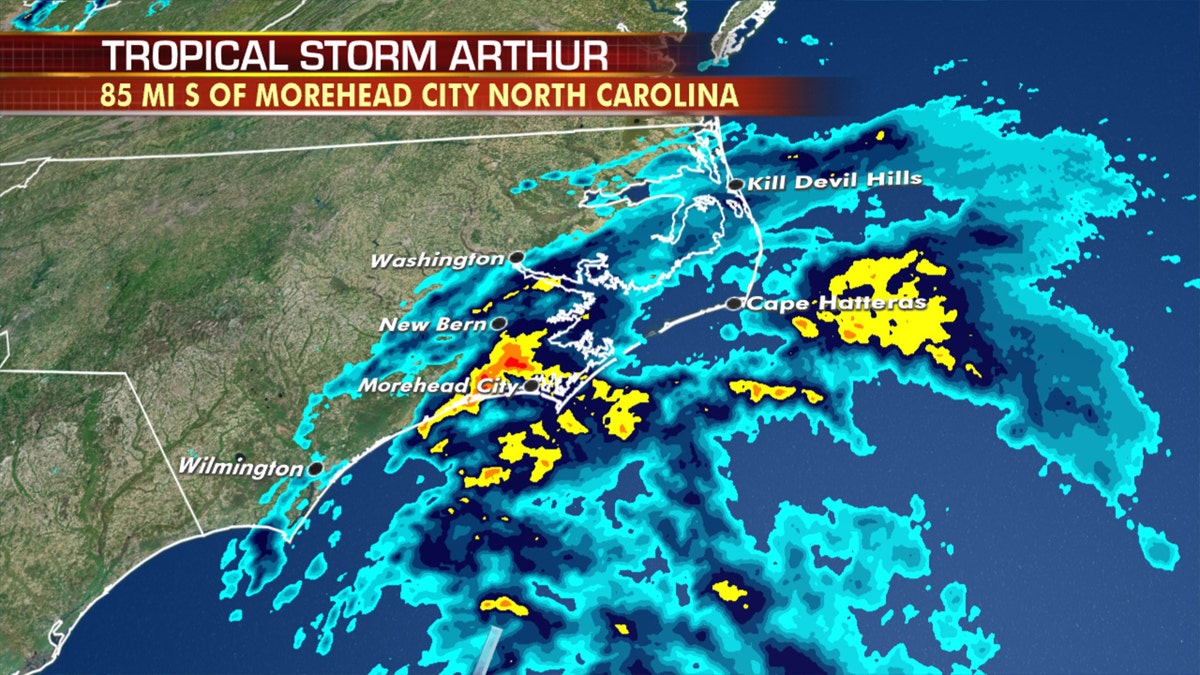
Unlike these major hurricanes, this system is expected to be weaker but could still bring dangerous flooding due to its slow movement. “The biggest threat right now is the prolonged heavy rainfall,” said Brennan. “Even if the system doesn’t become a tropical storm, the flooding risks remain very real.”
What to Expect in the Coming Days
The next critical checkpoint will be the NHC’s 10:00 AM CDT advisory on Saturday, which will provide updated intensity and track forecasts. If the system becomes Tropical Storm Arthur, the NHC will issue a tropical storm warning for affected areas. Residents should also monitor local emergency management updates, as evacuation orders may be issued for low-lying or flood-prone areas.
For those in the path of the storm, the American Red Cross has opened shelters in Baton Rouge, New Orleans, and Lafayette. Additional shelters may open as the situation evolves. The Louisiana Department of Health is also urging residents to fill prescriptions and stock up on essential medications in case of power outages.
Stay informed and share this article to help others prepare. If you’re in an affected area, follow local emergency alerts and official guidance. For real-time updates, bookmark the National Hurricane Center and your local National Weather Service office.
Keep reading
- Ariana Grande Breaks Silence on Public Hiatus and West End Exit
- Why Modern Dating Is Hard for Both Men and Women: What the Data Reveals
- Why Museums Still Ban Your Camera Flash, Even Though It's Harmless (daybreakwire.com)
- Traffic Alert: Road Closures on Kanawha Blvd and Surrounding Streets (news-usa.today)