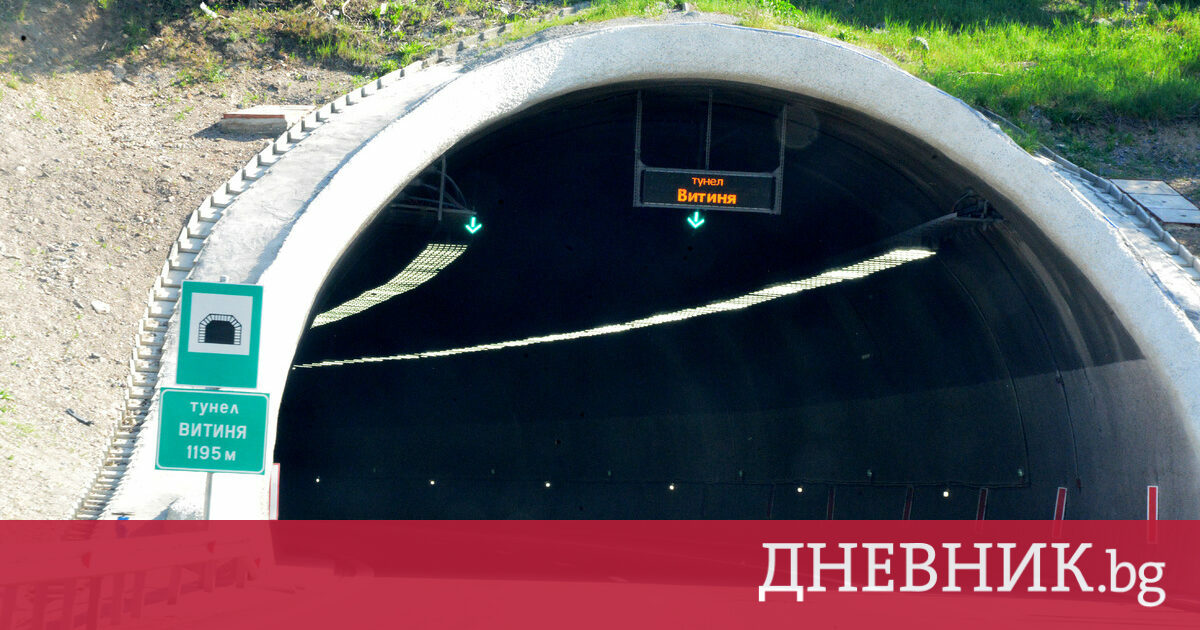
Travelers heading toward the Bulgarian capital faced significant delays this week as a broken-down truck triggered a massive traffic jam in the Vitinya Tunnel on the Hemus motorway. The incident, occurring in the direction of Sofia, resulted in kilometers-long queues, forcing motorists to navigate restricted lanes during one of the busiest travel windows of the spring season.
The disruption coincided with the conclusion of the Easter holidays, a period typically characterized by high volumes of traffic as citizens return to the city. According to the Road Infrastructure Agency (API), the presence of the disabled heavy vehicle necessitated immediate intervention from the Road Police to regulate the flow of traffic, as no viable detour routes were available for the affected section of the A2 motorway.
Motorists reported severe congestion, with traffic being funneled into the overtaking and second active lanes while the first active lane remained restricted. To resolve the blockage, API dispatched towing services to remove the heavy-duty vehicle from the tunnel, though the process left thousands of drivers stranded in a prolonged bottleneck.
Traffic Management and Lane Restrictions in Vitinya Tunnel
The Road Infrastructure Agency (API) confirmed that movement through the Vitinya Tunnel was severely hampered, with traffic temporarily restricted to the overtaking lane due to a broken-down truck. The situation required active regulation by the “Road Police” to prevent total gridlock, given the tunnel’s critical role in the transport artery connecting the northeast of the country to Sofia.
On Saturday, April 12, 2026, early reports indicated that while the first active lane was restricted, traffic continued to flow—albeit slowly—through the remaining lanes as per API advisories. However, by Monday, the congestion intensified, creating the “kilometers-long” queues reported by motorists and local news outlets.
API urged drivers to maintain caution and adjust their speeds when approaching the tunnel to avoid secondary accidents. The logistical challenge of removing a heavy-duty vehicle from a confined tunnel environment often prolongs recovery times, contributing to the severity of the traffic congestion experienced by Sofia-bound travelers.
The Post-Easter Traffic Surge and Heavy Vehicle Bans
The timing of the breakdown exacerbated an already strained infrastructure. The Bulgarian authorities had anticipated a massive influx of vehicles returning to the capital following the Easter festivities. Specifically, the Road Infrastructure Agency expected over 190,000 vehicles to abandon various regions and head toward Sofia on Monday, April 13, 2026.
To mitigate the risk of total paralysis on the main arteries, the government implemented strict movement restrictions for heavy-duty vehicles. From 12:00 to 20:00 on Monday, April 13, movement was restricted for trucks weighing over 12 tons traveling toward Sofia on several key routes. These bans were applied to:
- Hemus Motorway: The section from the Sofia exit (km 0) to the road junction at the roundabout with road I-4 (km 87).
- Trakia Motorway: Full restrictions for heavy vehicles during the specified window.
- Struma Motorway: Restrictions to facilitate passenger vehicle flow.
- Road I-1: The segment from the “Simitli” junction (km 376) to the “Kresna” junction (km 402).
These measures are part of a standard seasonal strategy to prioritize passenger transport during national holidays, though the breakdown in the Vitinya Tunnel effectively neutralized some of these benefits for those using the Hemus motorway.
Impact on Regional Logistics and Motorist Safety
The disruption in the Vitinya Tunnel highlights the vulnerability of Bulgaria’s primary transport corridors. When a single heavy vehicle fails in a tunnel—where maneuverability is limited and shoulder space is minimal—the ripple effect can extend for dozens of kilometers. For the thousands of drivers caught in the jam, the lack of an alternative route meant there was no way to bypass the congestion, leaving them dependent on the speed of the towing operations.

The Road Infrastructure Agency’s decision to limit heavy vehicle traffic is a necessary tool for congestion management, but it also underscores the pressure placed on the A2 Hemus motorway. The convergence of a mechanical failure and a holiday traffic peak created a “perfect storm” of delays that affected not only private commuters but also the broader logistics chain for goods moving toward the capital.
Key Takeaways for Travelers
- Cause of Delay: A broken-down truck in the Vitinya Tunnel (Sofia direction).
- Current Status: Traffic regulated by Road Police; towing services utilized for vehicle removal.
- Holiday Restrictions: Heavy vehicles over 12 tons restricted on Hemus, Trakia and Struma motorways during peak holiday return hours.
- Expected Volume: Over 190,000 cars returning to Sofia.
Motorists are encouraged to monitor official API updates and use real-time navigation tools to check for current lane statuses and potential diversions when traveling through critical bottlenecks like the Vitinya Tunnel.
The Road Infrastructure Agency continues to monitor traffic flows across the national motorway network as the post-holiday travel period concludes. Further updates regarding road maintenance or additional traffic restrictions will be issued through official API channels.
Do you have information about the current traffic conditions on the Hemus motorway? Share your experience in the comments below or share this update with other travelers.