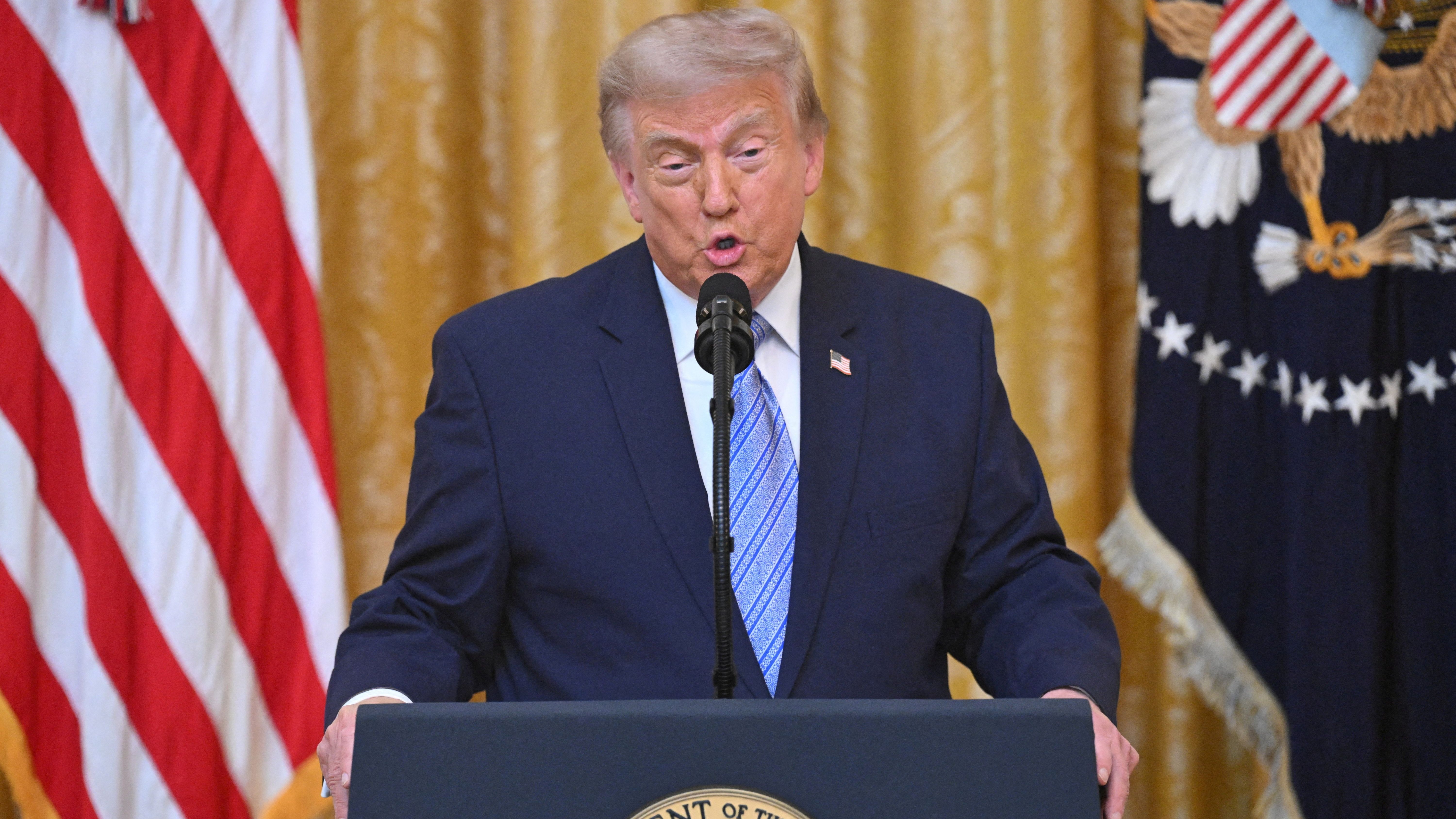
Former U.S. President Donald Trump has alleged that China engaged in cyber-enabled theft of sensitive data and sought to influence the outcome of the 2020 U.S. presidential election. These claims, which echo rhetoric frequently employed during his tenure and subsequent campaigns, have surfaced amid ongoing scrutiny regarding foreign interference in American democratic processes.
As the international community monitors the geopolitical friction between Washington and Beijing, the focus remains on the veracity of such accusations and the institutional safeguards in place to protect U.S. election infrastructure. Understanding the distinction between verified foreign intelligence activities and unsubstantiated claims of systemic election manipulation is essential for interpreting the current diplomatic climate.
Evaluating Claims of Foreign Interference in U.S. Elections
The assertion that foreign powers, including China, attempted to influence the 2020 election has been the subject of extensive review by U.S. intelligence and law enforcement agencies. According to a declassified report from the Office of the Director of National Intelligence (ODNI) released in March 2021, while Russia engaged in efforts to undermine public confidence in the electoral process, the intelligence community found no evidence that any foreign actor attempted to alter the actual technical tallying of votes or the mechanics of the election.
The report specified that while China considered the impact of the election on its interests and monitored the political landscape, it did not deploy the same scale of influence operations as Russia. The U.S. Department of Justice and the Cybersecurity and Infrastructure Security Agency (CISA) have consistently maintained that the 2020 election was the “most secure in American history,” a statement released jointly by the Election Infrastructure Government Coordinating Council shortly after the November 2020 vote.
Data Security and Intellectual Property Concerns
Beyond election integrity, the broader concern regarding China’s digital activities remains a point of contention in U.S.-China relations. The U.S. government has long accused state-backed Chinese entities of intellectual property theft and large-scale data breaches targeting American corporations and government databases. In 2020, the U.S. Department of Justice charged two Chinese nationals linked to the Ministry of State Security with conducting a decade-long campaign of global computer intrusions.
These activities are distinct from electoral interference but reflect a strategic focus on acquiring sensitive technological and personal data. Analysts at the Center for Strategic and International Studies (CSIS) note that these operations aim to bolster China’s domestic economic and military capabilities, often by targeting firms in the technology, health, and defense sectors.
The Diplomatic and Geopolitical Context
The rhetoric surrounding election manipulation often serves as a barometer for the state of bilateral relations. Since 2020, the U.S. has implemented a series of restrictions, including export controls on advanced semiconductors and sanctions against specific Chinese entities, citing national security concerns. According to the U.S. Department of State, the current policy framework focuses on “investing” in domestic industry, “aligning” with allies, and “competing” with China on critical technological fronts.
For observers, the ongoing debate highlights the challenge of balancing legitimate national security concerns with the need for stable diplomatic channels. As the U.S. enters its next election cycle, the focus of the intelligence community remains on early detection of foreign influence campaigns, with the FBI maintaining active task forces dedicated to monitoring and countering foreign malign influence targeting the American electorate.
Looking Ahead: Institutional Oversight
The next major checkpoint for assessing election integrity will be the release of periodic updates from the Intelligence Community Election Threats Executive. These updates provide the public and policymakers with non-classified insights into current risks, including the use of artificial intelligence and deepfakes in influence operations. Citizens seeking verified information regarding election security can consult the U.S. Election Assistance Commission, which provides comprehensive reports on voting system testing and certification standards.
As these geopolitical narratives continue to evolve, the distinction between policy-driven critique and verified intelligence remains a critical factor in how the global public interprets the stability of democratic institutions. We invite our readers to share their perspectives on how international transparency and collaborative security frameworks might address these persistent concerns in our comments section.
Related reading
- Des eurodéputés réclament un contrôle de l’aide au Polisario – APAnews – Agence de Presse Africaine
- Flash Flood Warning Issued for Phoenix Until 12:30 p.m.
- Trump Calls 2026 World Cup the Biggest Sporting Event Ever (world-today-news.com)
- Trump Administration Says 250K Non-Citizens Registered to Vote in 4 States (time.news)