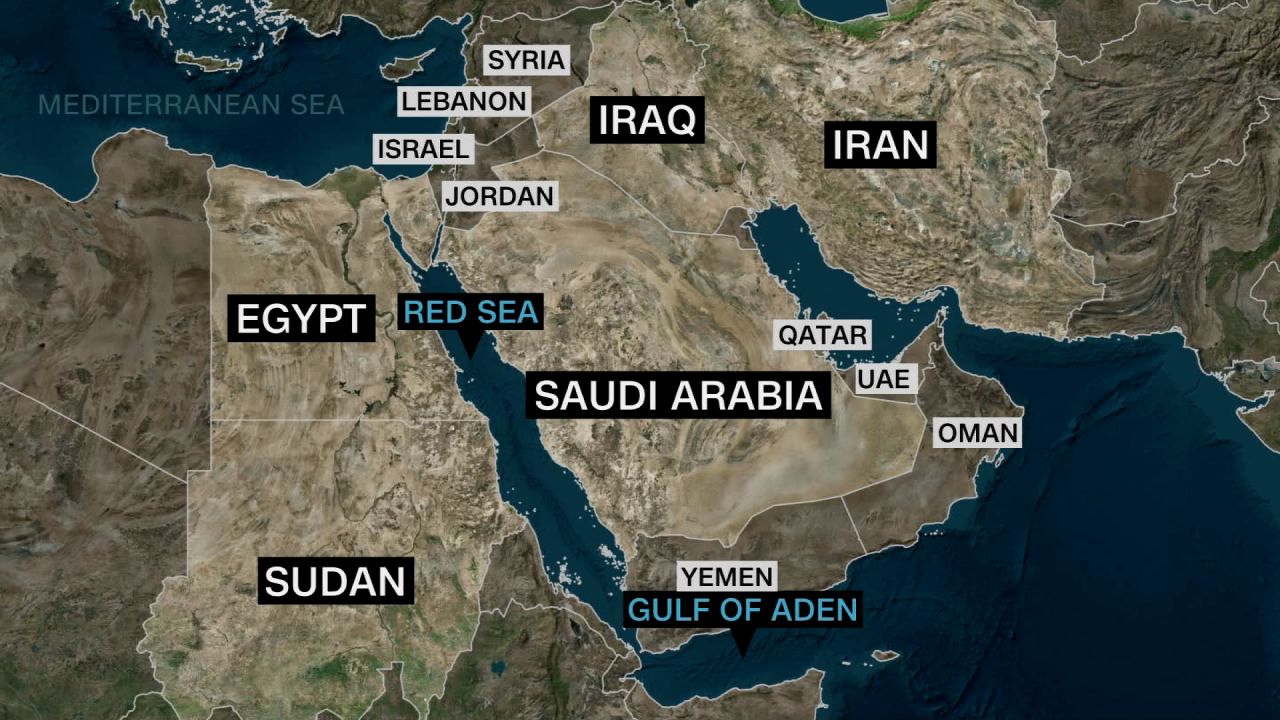
On April 21, 2026, President Donald Trump accused Iran of repeatedly violating the two-week ceasefire agreement reached between the United States and Iran, just hours before its scheduled expiration. The allegations came amid heightened tensions in the Middle East, with both sides exchanging warnings as the deadline approached.
The ceasefire, announced by Trump on April 7, 2026, was set to expire on Wednesday evening, April 22, 2026. Speaking in a live broadcast, Trump stated that Iran had “violated the ceasefire on numerous occasions,” though he did not provide specific details or evidence to support the claim during his remarks.
The agreement, which had been welcomed internationally as a step toward de-escalation, was now under increasing strain. Iranian officials had not publicly responded to the allegations at the time of Trump’s statement, but earlier in the day, Iranian state media had warned that any violation of the ceasefire by the U.S. Would be met with a firm response.
As the deadline neared, international observers expressed concern that the collapse of the ceasefire could reignite hostilities between the two nations. The United Nations had urged both parties to uphold the agreement and pursue diplomatic solutions to avoid further conflict in the region.
Background of the Ceasefire Agreement
The U.S.-Iran ceasefire was announced on April 7, 2026, following weeks of indirect negotiations mediated by regional actors. According to the announcement, the agreement would last for two weeks and was intended to create space for further diplomatic engagement on broader issues, including regional security and nuclear concerns.
At the time of the announcement, Trump described the ceasefire as a “significant step forward” and said it had been reached “ahead of a looming deadline.” The specific nature of that deadline was not elaborated upon in the initial announcement, but subsequent reporting indicated it was tied to internal U.S. Political timelines.
The ceasefire did not include a formal complete to sanctions or any binding commitments on Iran’s nuclear program. Instead, it focused on a mutual cessation of hostile actions, including military operations and inflammatory rhetoric, for the duration of the agreement.
Regional Reactions and Diplomatic Efforts
In the hours before the ceasefire’s expiration, Pakistan urged both Washington and Tehran to consider extending the agreement. Pakistani officials, speaking through diplomatic channels, emphasized that a continuation of the ceasefire would allow more time for negotiations and reduce the risk of miscalculation.

Meanwhile, Israel continued its military operations in southern Lebanon, according to reports from regional news outlets. The Israeli government maintained that its actions were aimed at dismantling infrastructure used by militant groups, though it did not directly link these operations to the U.S.-Iran ceasefire.
French military officials confirmed that a French soldier had been killed in Lebanon earlier in the week, though they stated the incident was under investigation and not necessarily connected to the broader regional tensions. The death added to concerns about the volatility of the situation along Israel’s northern border.
Stakes and Implications
The potential collapse of the ceasefire raised concerns about a renewed cycle of retaliation between the U.S. And Iran. Analysts warned that even limited exchanges could escalate quickly, given the presence of allied forces and proxy groups throughout the region.
For the global economy, any escalation risked disrupting oil shipments through the Strait of Hormuz, a critical chokepoint for international energy markets. While no immediate disruptions were reported, energy analysts noted that markets were closely monitoring the situation for signs of increased risk.
Humanitarian organizations similarly expressed concern about the impact on civilians in border regions, particularly in areas where military activity had intensified. Aid groups called for unimpeded access to deliver assistance and urged all parties to respect international humanitarian law.
What Comes Next
As of the time of this report, no official extension of the ceasefire had been announced by either the United States or Iran. The next confirmed development will be any public statement or action taken after the agreement’s expiration, which occurred on the evening of April 22, 2026.

Readers are encouraged to follow official updates from the U.S. State Department and the Ministry of Foreign Affairs of the Islamic Republic of Iran for verified information on future developments.
If you have insights or observations about this developing story, we welcome your thoughts in the comments below. Please share this article to help others stay informed about important global events.
Keep reading
- United Airlines Flight to Frankfurt Returns to San Francisco
- Kyiv Protesters Oppose Zelenskyy’s Dismissal of Defense Minister Fedorov
- Trump Leans Toward Expanding U.S. Military Operations in Iran (archyworldys.com)
- Trump to Address Nation on Thursday Evening Amid Election Integrity Concerns (time.news)