
The construction of a new ballroom at the White House has moved forward, reaching a significant milestone despite ongoing legal challenges. As the project progresses, the administration has maintained that the executive branch holds the necessary authority to proceed with renovations, effectively sidelining attempts to halt the work through the court system. This development highlights the tension between federal property management and judicial oversight, a subject that has drawn attention from legal observers and government officials alike.
The status of the White House ballroom construction project remains a focal point for both the administration and those seeking to challenge its implementation. While a federal judge had previously issued an order to pause the construction, recent reporting indicates that the project has now secured final approval from the relevant agency, allowing work to resume despite the earlier legal intervention. According to PBS NewsHour, the final approval was granted on Thursday, April 2, 2026, marking a decisive step in the administration’s efforts to finalize the facility.
Legal Context and Executive Authority
The dispute centers on the extent to which the judiciary can intervene in matters concerning the maintenance and modification of the White House grounds. Legal arguments against the project have largely focused on whether proper procedures were followed in the approval process. Conversely, the administration’s position has consistently emphasized that the executive branch has the authority to manage the presidential residence. This stance has been articulated by government lawyers, who have argued in court that the judicial branch lacks the standing to stop the construction of the ballroom, as reported by the Associated Press.
The intersection of executive power and administrative law often leads to complex litigation. In this specific case, the administration’s argument relies on the principle that the management of White House infrastructure falls under the purview of executive discretion. As the legal proceedings continue, the primary question for the courts remains whether the administrative approvals granted by federal agencies sufficiently meet the requirements set forth by existing environmental and historic preservation laws, or if the court’s previous order retains its efficacy in light of the new agency approval.
Project Scope and Implementation
The ballroom project is part of a broader series of initiatives undertaken during the second administration of President Donald Trump. These initiatives are described by the White House as part of an effort to foster national prosperity and infrastructure improvement. The executive branch has framed these projects, including the ballroom, as components of a wider strategy to modernize federal facilities. For further details on the administration’s stated policy goals and current initiatives, readers can visit the official White House website.
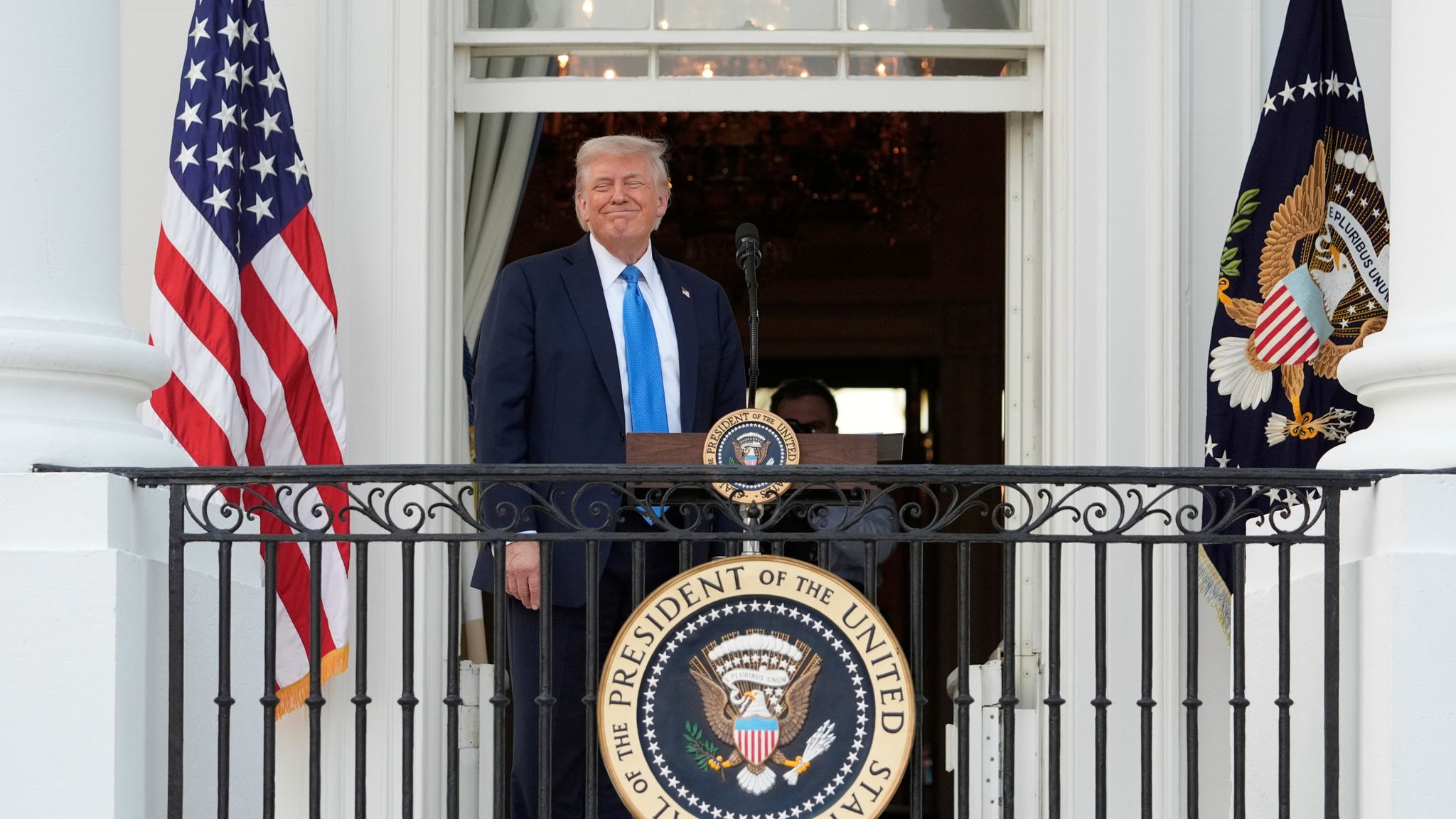
The implementation of such projects involves coordination between various agencies, including the Department of the Interior and the National Park Service, which typically oversee modifications to national monuments and federal properties. The speed with which the ballroom received final approval suggests that the administration prioritized the project’s completion following the temporary judicial delay. Observers are now looking toward the next scheduled hearings to determine if the legal challenges will be dismissed or if further injunctions will be sought by the opposing parties.
Key Takeaways
- The White House ballroom construction received final approval on April 2, 2026, following a period of legal uncertainty.
- Government lawyers have successfully argued that the judiciary should not impede the administration’s plans for the facility.
- The project is part of a series of infrastructure and facility updates managed under the current administration’s broader policy framework.
- Legal challenges regarding the project’s compliance with federal administrative procedures remain active, though their impact on the ongoing construction is currently limited.
What Happens Next?
As of June 6, 2026, the construction is proceeding under the assumption that the recent agency approval provides sufficient legal cover to bypass the earlier judicial halt. Interested parties and the public can continue to monitor the federal court docket for any subsequent filings or motions from plaintiffs seeking to challenge the validity of the agency’s final approval. No further dates for judicial hearings have been confirmed at this time, but as the situation develops, updates regarding potential court rulings will be essential for understanding the final legal standing of the ballroom project.

We invite our readers to share their perspectives on the balance between executive authority and judicial oversight in the comments section below. As this story evolves, we will continue to provide updates based on verified court records and official government statements.
Related reading
- Denmark News: Teenagers Arrested for School Terror Plot and SAS Strike Threats
- Ukraine Drone Strikes Hit Russian Oil Refinery and Wildberries Logistics Center
- BP Q2 Profit Hits $5.7 Billion Amid Trump Criticism of Big Oil Windfalls (time.news)
- Trump Administration Begins Systematic Appropriation of Japanese Manga (newsdirectory3.com)