
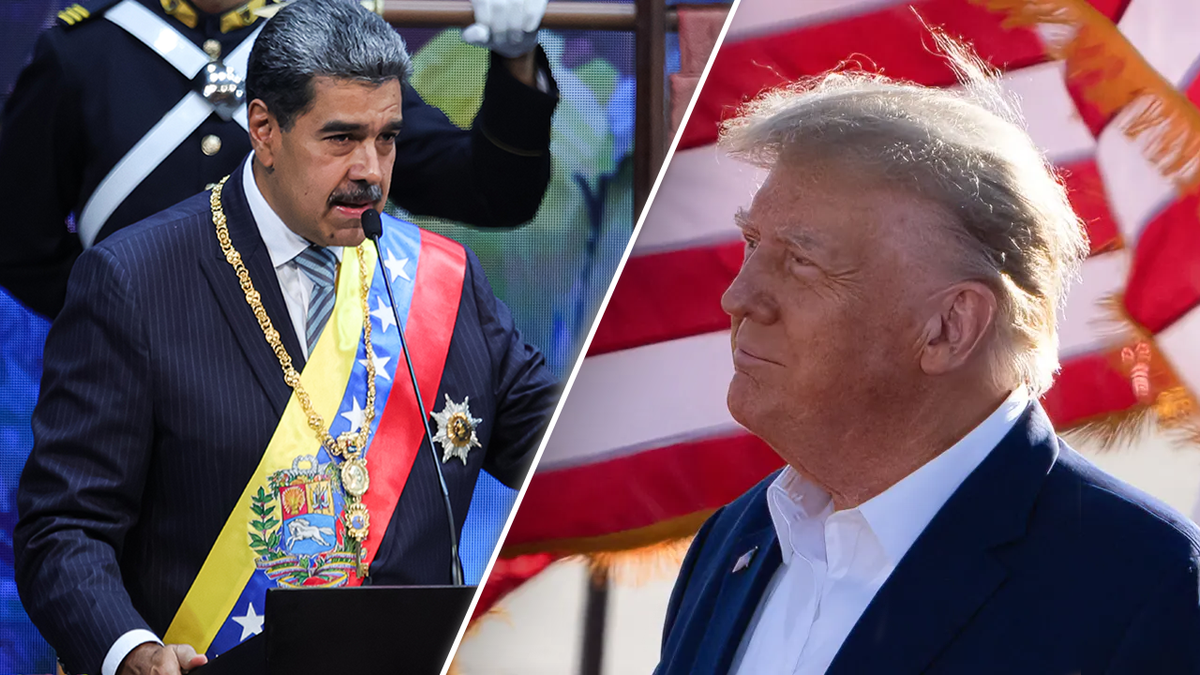
The U.S. government has signaled a willingness to provide humanitarian aid to Venezuela following recent seismic activity, a move that coincides with broader shifts in U.S.-Venezuelan relations and an expansion of American commercial interests in the country. While diplomatic ties between Washington and Caracas remain strained, the offer of assistance marks a potential inflection point in how the two nations navigate both regional crises and long-standing economic policy disagreements.
According to reports from the U.S. Department of State, the United States continues to maintain a complex framework of sanctions on Venezuela, yet has authorized specific licenses for energy operations to stabilize global oil markets. This balancing act—restricting broad economic engagement while permitting targeted commercial activity—forms the backdrop for the current humanitarian outreach efforts.
The Evolution of U.S. Commercial Strategy in Venezuela
Beyond the immediate response to natural disasters, the U.S. approach to Venezuela has increasingly focused on targeted energy sector authorizations. Since late 2022, the U.S. Treasury Department’s Office of Foreign Assets Control (OFAC) has granted limited licenses, most notably to Chevron Corp., to resume oil extraction operations. These moves, verified by official Treasury guidance, reflect a shift toward using commercial access as a tool for both economic pragmatism and diplomatic leverage.

Observers note that the expansion of these interests goes beyond crude oil. U.S. firms have sought clarity on regulations regarding services and infrastructure support necessary to maintain these operations. By allowing American companies to operate within the Venezuelan energy sector, Washington maintains a direct line of communication with both the market and, indirectly, the state-run oil company, Petróleos de Venezuela, S.A. (PDVSA).
Humanitarian Aid as a Diplomatic Bridge
The commitment to provide earthquake relief serves as a test of whether disaster diplomacy can mitigate decades of political friction. In the past, humanitarian aid packages have often been met with skepticism by the Maduro administration, which has previously blocked aid deliveries citing concerns over foreign interference, as documented by Human Rights Watch.
However, the current proposal for aid arrives at a moment when both governments face internal and external pressures. For the U.S., providing relief is consistent with its long-standing policy of supporting the Venezuelan people, even while maintaining pressure on the leadership. For Venezuela, accepting such aid—should it be finalized—would require a recalibration of its stance toward international organizations and U.S.-backed NGOs.
Analyzing the Economic and Geopolitical Impact
The dual track of humanitarian assistance and commercial expansion creates a unique environment for bilateral relations. Analysts often point to the Congressional Research Service reports on Venezuela, which emphasize that U.S. policy is designed to encourage democratic processes while addressing the severe economic collapse within the country. The current commercial licenses are not a full lifting of sanctions, but rather a surgical application of economic policy.
The following table outlines the key pillars of the current U.S.-Venezuela engagement strategy based on available public records:
| Policy Area | Current Status | Primary Objective |
|---|---|---|
| Humanitarian Aid | Proposed/Under Negotiation | Direct support for disaster recovery |
| Energy Sector | Limited Licenses (e.g., Chevron) | Stabilizing global supply/Market access |
| Sanctions Regime | Active/Enforced | Pressure on political governance |
What Happens Next: Monitoring the Response
The next critical checkpoint for this development will be the formalization of aid protocols between the U.S. Agency for International Development (USAID) and local or international partners on the ground in Venezuela. The logistical coordination required to move supplies into the country remains a significant hurdle, subject to both regulatory approval and the security conditions on the ground.

Interested parties and stakeholders should monitor the USAID Venezuela country page for updates regarding official relief operations and partnership announcements. As the situation evolves, the effectiveness of this aid delivery may serve as a barometer for the potential thawing of relations or, conversely, underscore the persistent limitations of current diplomatic engagement.
We invite our readers to share their perspectives on the intersection of humanitarian aid and economic policy in the comments section below. Stay tuned to World Today Journal for further updates on this developing story as more information becomes available from official diplomatic channels.