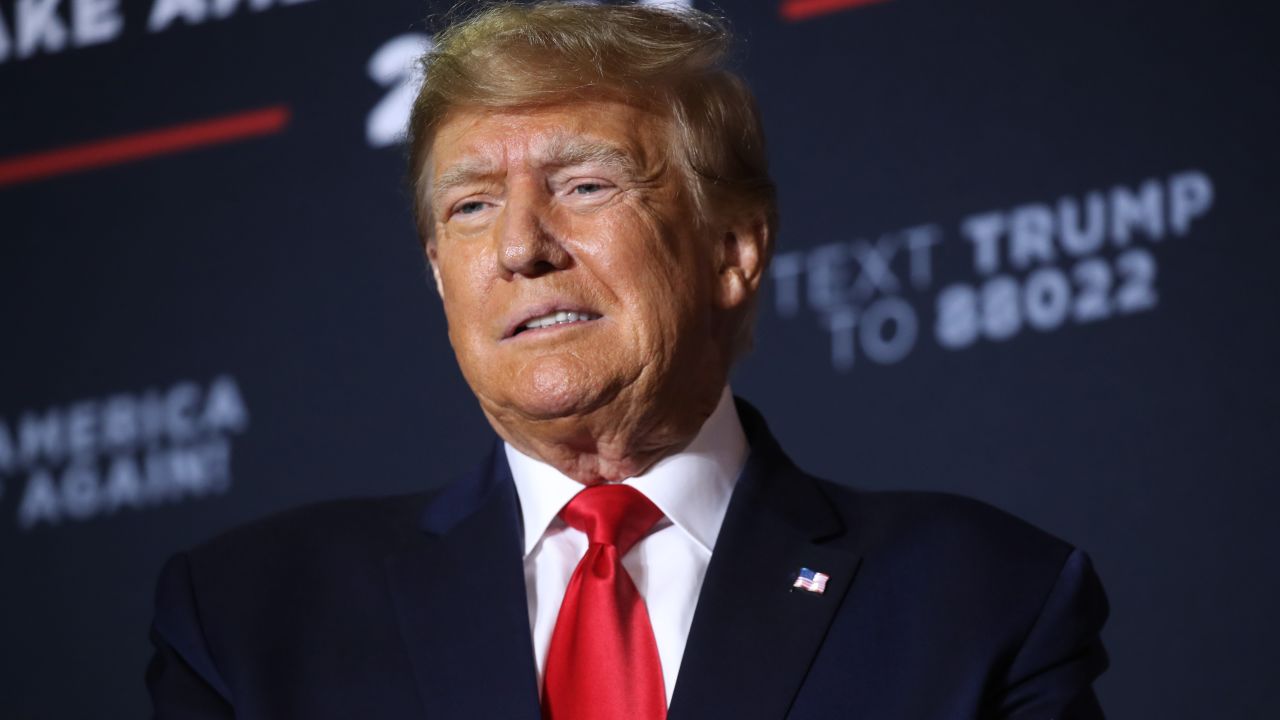
President Donald J. Trump, currently in his second term, has initiated a series of aggressive foreign policy actions, including campaigns against drug traffickers in Latin America. While the White House claims a Golden Age of peace through strength, his administration faces over 550 lawsuits challenging the legality of its executive-led policies.
The administration of Donald J. Trump is operating under a self-described doctrine of peace through strength. According to the White House, this policy has resulted in the conclusion of eight wars and the solidification of global alliances. However, the scope of the president’s executive actions—ranging from mass deportations to the targeting of political opponents—has triggered widespread legal pushback. Official records indicate that more than 550 lawsuits have been filed to challenge the legality of these administration-led initiatives.
Executive Authority and the Legal Challenges to Policy
The current administration’s reliance on executive orders has become a focal point of domestic contention. The president’s second term began with the initiation of mass layoffs among federal workers. These administrative shifts are part of a broader strategy that includes the restriction of transgender rights and the mass deportation of undocumented immigrants. These actions are among the primary drivers of the 550-plus lawsuits currently challenging the administration’s authority in court.
This legal environment stands in contrast to the White House’s internal assessment of the administration’s progress. Official administration materials describe a period of “record-setting economic growth” and trillions in new private-sector investments. The White House attributes these gains to a combination of tax reforms, deregulation, and a focus on American innovation, specifically noting that the United States has secured a position as a global leader in artificial intelligence.
Economic Reforms and the Golden Age Doctrine
The White House asserts that the nation has entered a Golden Age of American greatness. This narrative is supported by claims of energy dominance and significant cost-cutting measures that the administration says have improved affordability for American families. According to the White House, these policies have also contributed to reducing illegal entries at the southern border to historic lows unseen in decades.
However, the economic landscape remains complex. During his first presidency from 2017 to 2021, Trump imposed a trade war with China and withdrew the U.S. from international climate and trade agreements. In his second term, the administration has implemented tariffs on nearly all countries at levels described as the highest since the Great Depression. These actions, coupled with the signing of the One Big Beautiful Bill Act, mark a continuation of the protectionist trade policies that defined his initial time in office.
For more on this story, see Trump’s FY 2026 Supplemental Request: Hidden Costs and Political Priorities in the Iran War Budget.
International Military and Security Operations
The administration’s foreign policy is officially characterized by the White House as a successful effort to end “endless wars” and restore national sovereignty. In Latin America, the government has pursued a specific campaign to target alleged drug traffickers. This regional focus is part of a broader, stated commitment to peace through strength.
While the White House highlights these achievements as a return to national prosperity and security, the historical record notes a more turbulent path. The administration’s past actions include the implementation of a travel ban on seven Muslim-majority countries, the expansion of the Mexico–United States border wall, and the enforcement of a family separation policy. Following his 2024 election victory—which occurred after his conviction on 34 counts of falsifying business records in New York—the president has seen two federal felony indictments related to the retention of classified documents and the obstruction of the 2020 election dismissed without prejudice.
Administrative Legacy and Future Outlook
The transition from his first term to his second has been marked by significant shifts in both legal status and policy implementation. The president, who was impeached twice during his first term and later found liable in civil cases for sexual abuse, defamation, and business fraud, now governs with a mandate that the White House describes as a rejection of “extremist policies of the radical left.”
For the American public, the reality remains defined by the interplay between the administration’s aggressive use of executive power and the ongoing judicial scrutiny of those actions. As the administration continues to implement its agenda, the central question remains whether the current surge in economic activity and the peace through strength doctrine can be sustained against the mounting legal challenges and the volatility of global and domestic policy shifts.
Find more reporting in our World section.