The U.S. Court of Appeals for the D.C. Circuit has moved to reconsider a decision that previously blocked a judicial inquiry into the Trump administration’s handling of a controversial 2025 deportation operation. The court’s decision to revisit the matter, which centers on allegations that federal officials disregarded a judicial order, sets the stage for oral arguments later this year. This move revives a legal challenge regarding the potential for criminal contempt charges against administration officials involved in the transfer of Venezuelan nationals to El Salvador’s CECOT prison.
At the center of the dispute is a March 2025 incident involving federal court oversight. Chief U.S. District Judge James Boasberg had issued an order directing that planes carrying a group of Venezuelan men be turned back. Despite this instruction, the aircraft proceeded to their destination, where the men were handed over to foreign authorities. Following the event, Judge Boasberg initiated an inquiry to determine if those responsible for the operation had committed criminal contempt of court. While a three-judge panel of the D.C. Circuit initially halted that inquiry in April, the full appeals court has now agreed to rehear the case, according to court dockets.
The Legal Conflict Over Judicial Authority
The tension between the executive branch and the federal judiciary has intensified as multiple judges have recently questioned the administration’s adherence to the “presumption of regularity”—a legal standard that typically assumes government officials act in good faith and in accordance with the law. Legal observers note that this erosion of institutional trust has prompted a rare intervention from the legal community. A brief filed by 174 former judges has urged the appellate court to allow the district court’s inquiry into the deportation incident to proceed, arguing that the circumstances necessitate a rigorous judicial examination to uphold the rule of law.

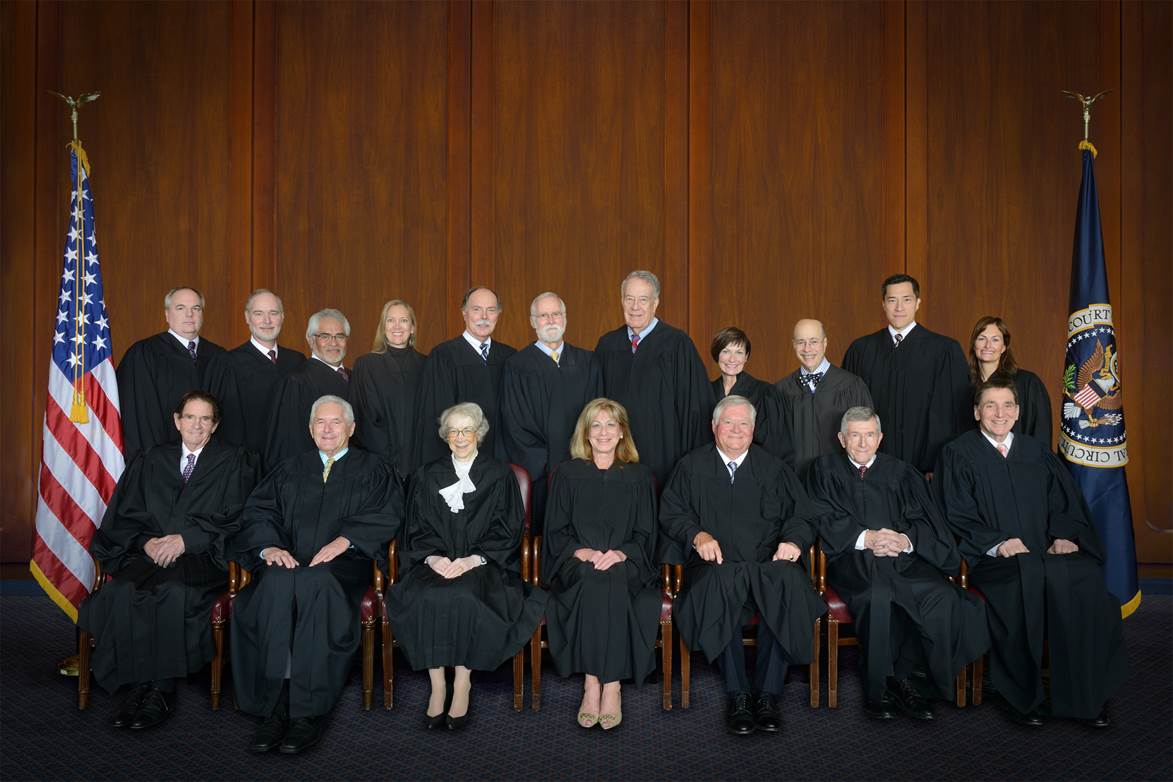
The ongoing legal battle highlights a significant friction point regarding the scope of executive power when it conflicts with active federal court orders. By moving to reconsider the dismissal of Judge Boasberg’s inquiry, the D.C. Circuit has signaled that the underlying questions regarding compliance and potential contempt are not yet settled. This procedural shift means that the administration will be required to address the inquiry’s merits during upcoming oral arguments, which are expected to take place in the fall. The outcome of these arguments will likely set a precedent for how federal courts manage allegations of defiance by executive agencies.
Whistleblower Allegations and Institutional Friction
Public scrutiny of the case has been further fueled by reports of internal dissent within the Department of Justice. A whistleblower complaint filed by a former DOJ attorney reportedly alleges that Emil Bove, a former political appointee who now serves as a judge on the Third Circuit, had suggested to subordinates that the department should adopt a defiant posture toward unfavorable court rulings. The complaint characterizes this alleged sentiment as an indication that the administration might prioritize its policy objectives over binding legal directives.
These allegations of internal friction are being scrutinized alongside the administration’s broader litigation strategy. Critics of the administration’s approach, including legal scholars and former jurists, argue that the pattern of challenging judicial authority has created a crisis of confidence. The decision by the full appellate court to step in suggests that the judiciary is prepared to exercise its oversight function more aggressively in response to these concerns. As the case moves toward its next phase, the focus remains on whether the executive branch’s actions crossed the threshold into criminal contempt or if they fall under the protections of executive discretion.
What Happens Next in the Appellate Process
The next major milestone in this litigation is the round of oral arguments scheduled for the fall. During these proceedings, attorneys for both the government and the parties seeking the inquiry will present their cases before the full panel of the D.C. Circuit. The court will effectively decide whether Judge Boasberg has the authority to continue his investigation into the March 2025 deportation operation and whether that investigation can legally encompass potential criminal contempt charges against specific administration officials.

For those following the case, the court’s official docket remains the primary source for updates on the exact date of oral arguments and any subsequent filings. The resolution of this appeal will likely clarify the limits of the executive branch’s ability to bypass federal court orders and determine the extent of the judiciary’s power to hold officials accountable. As this matter moves forward, the legal community continues to watch for any further filings from the Department of Justice or the petitioners involved in the case.
We invite our readers to share their perspectives on the balance of power between the executive and judicial branches in the comments section below. Please ensure that all contributions remain focused on the legal and procedural aspects of the ongoing case.
Worth a look