
As the landscape of American healthcare policy continues to evolve, the Trump administration has issued updated guidance regarding work requirements for Medicaid recipients. This policy shift, which directs states on how to implement employment-based eligibility criteria, marks a significant development in the administration’s broader efforts to restructure social safety nets. For millions of Americans currently enrolled in the program, understanding these evolving mandates is essential for maintaining coverage continuity.
The guidance, released this week, provides a framework for states to incorporate work or community engagement activities as a condition for retaining Medicaid benefits. These requirements, which have been a subject of intense legal and political debate for years, are designed to align public health assistance with workforce participation goals. As states begin to digest these federal directives, stakeholders across the healthcare sector are closely monitoring the potential impact on coverage rates and administrative overhead. For an overview of the current regulatory environment, you can visit the Centers for Medicare & Medicaid Services (CMS) official portal.
Understanding the Federal Guidance on Medicaid Work Requirements
The core of the administration’s new directive centers on the authority of individual states to tailor their Medicaid programs to incentivize employment. By establishing clear pathways for states to request Section 1115 demonstrations, the federal government is moving to grant states greater flexibility in how they manage their Medicaid populations. According to the Department of Health and Human Services (HHS), the goal is to foster economic independence while ensuring that those who are most in need remain protected. However, the implementation of these rules remains contingent upon state-level adoption and subsequent federal approval.

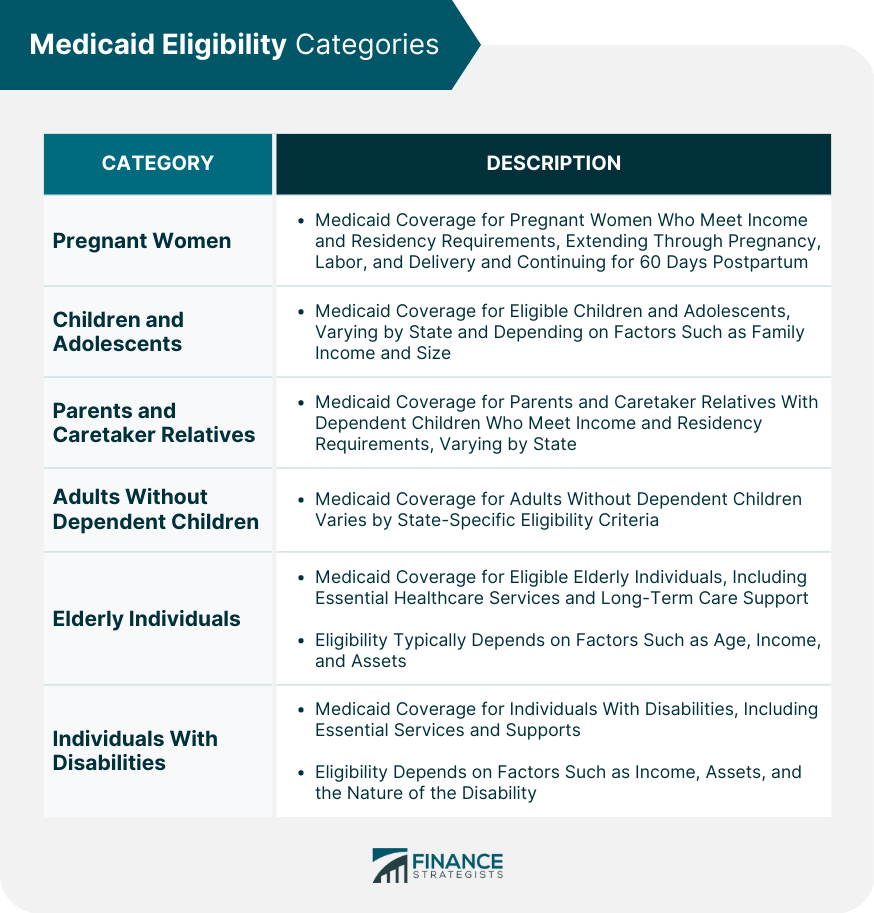
For many recipients, the primary concern is the potential for coverage gaps. The guidance outlines that states must provide exemptions for specific populations, including those with disabilities, primary caregivers, and those participating in established job training programs. The administration emphasizes that these rules are not intended to be punitive, but rather a mechanism to transition individuals from public assistance to sustainable employment. Nevertheless, advocacy groups and public health experts continue to highlight the administrative complexities involved in verifying work hours and processing exemptions, which can sometimes lead to unintended disenrollment.
The Legal and Political Context of Program Eligibility
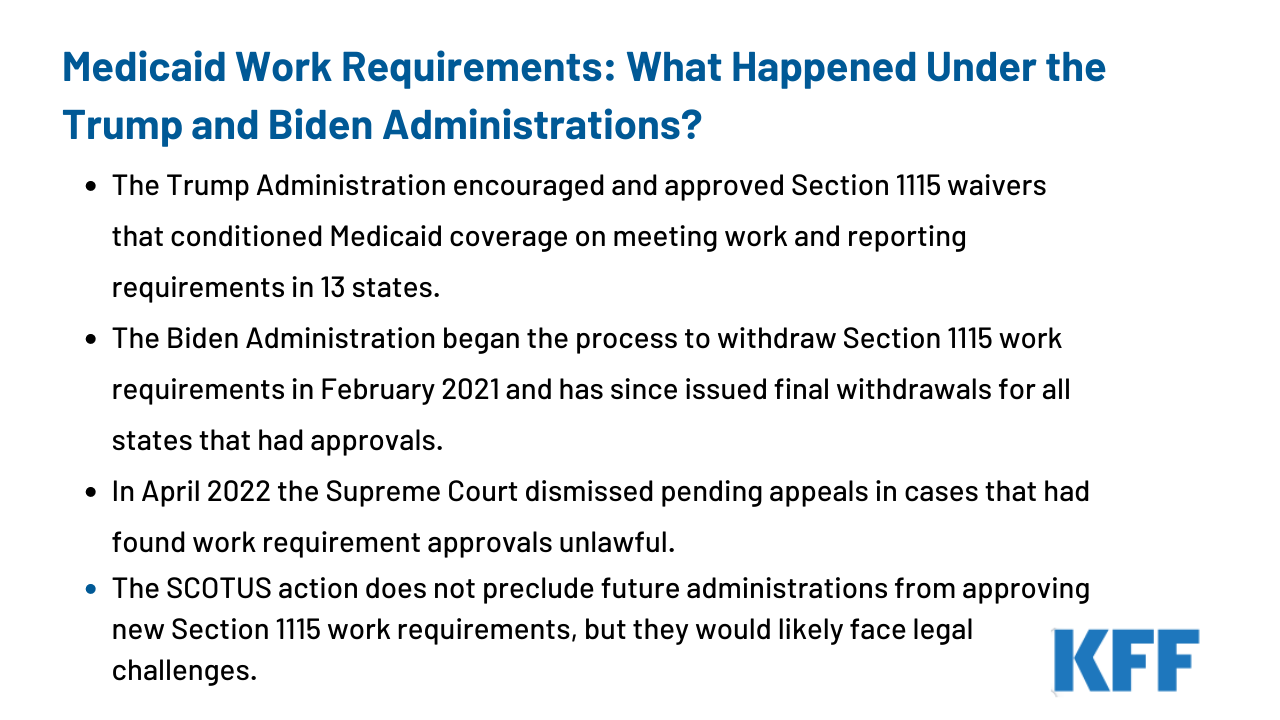
The debate surrounding Medicaid work requirements is not new. Previous attempts to implement similar rules in various states have faced significant litigation, often centering on whether such requirements align with the fundamental purpose of the Medicaid program: providing medical assistance to low-income individuals. The Supreme Court of the United States has previously reviewed cases related to state-level Medicaid mandates, emphasizing the importance of federal oversight in ensuring that state programs do not violate statutory objectives.
This latest guidance attempts to navigate these legal precedents by providing a more structured approach to the approval process. By requiring states to demonstrate that their work programs are designed to improve health outcomes and economic stability, the administration hopes to create a more resilient legal framework for these policies. As states prepare their plans, they are expected to conduct public comment periods, allowing for transparency and community input into how these rules will be applied locally.
What So for Beneficiaries and Stakeholders
For beneficiaries, the most critical step is staying informed through official state portals. Because implementation will vary by state, it is vital to consult your local Medicaid office or the state’s Department of Health website for specific details on how these requirements might affect your benefits. The administration has indicated that there will be a transition period to allow for public notification and administrative adjustments before any new eligibility criteria are enforced.
Healthcare providers, meanwhile, are preparing for the potential surge in administrative inquiries. Clinics and hospitals are often the first point of contact for patients confused about their coverage status. Ensuring that frontline staff are well-versed in the new requirements—and the available exemptions—will be crucial in minimizing disruptions to patient care. For ongoing updates regarding federal policy, the White House official website provides regular briefings on administrative actions.
Looking Ahead: The Path to Implementation
As we move toward the upcoming months, the next major checkpoint will be the submission and review of state-level implementation plans. The federal government will be evaluating these proposals based on their adherence to the new guidance and their potential impact on vulnerable populations. We anticipate further clarification from CMS as the first wave of state proposals moves through the review process.
We encourage our readers to remain engaged with this topic as it develops. If you have questions about how these changes may impact your community or your healthcare access, please share your thoughts in the comments section below. We will continue to monitor the situation and provide expert analysis as more information becomes available.