
The bioscience firm Colossal Biosciences has announced a partnership with the United States government to establish a “BioVault,” a genomic repository designed to preserve the genetic material of endangered species. This initiative aims to create a secure, long-term storage facility for DNA samples, which proponents suggest could serve as a biological safety net against extinction. The project arrives during a period of intense scrutiny regarding federal oversight of the Endangered Species Act (ESA), a foundational law that provides the legal framework for protecting threatened plants, animals, and their habitats in the United States.
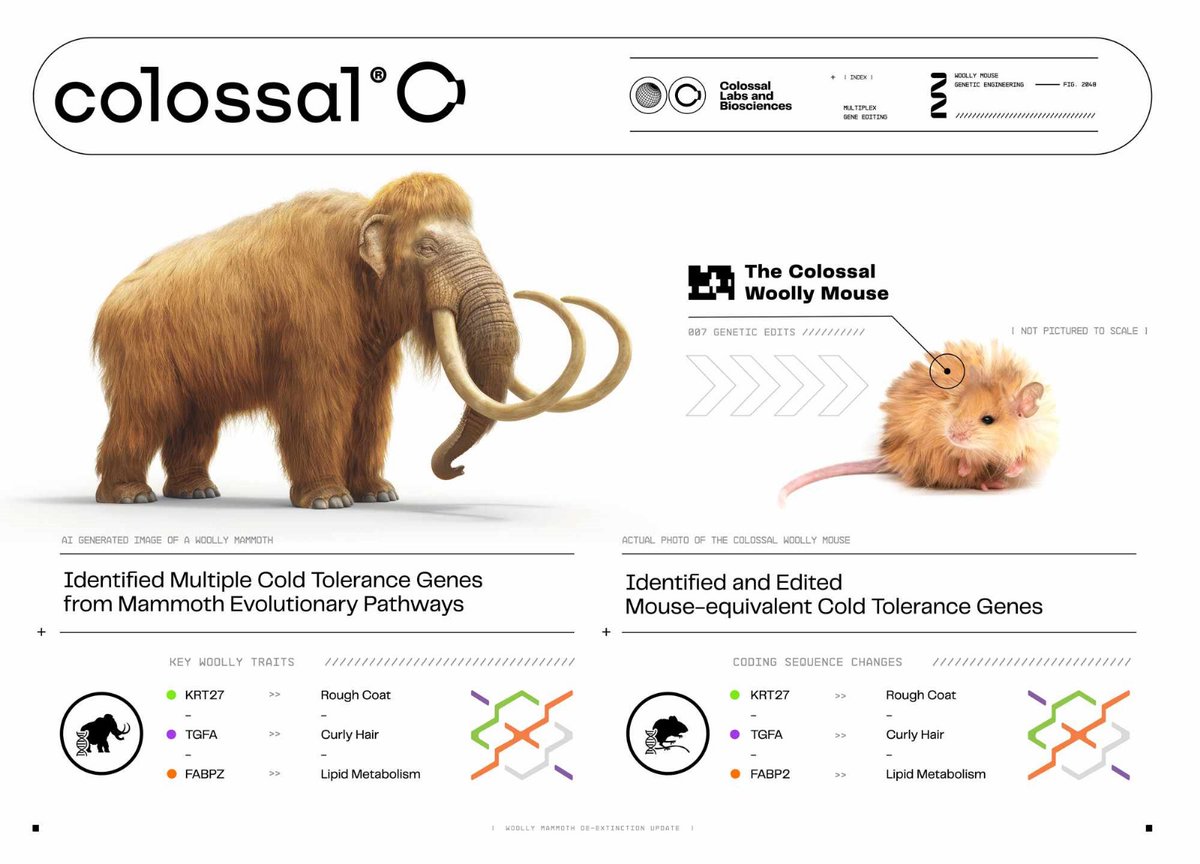
According to the U.S. Fish and Wildlife Service, the Endangered Species Act has been the subject of multiple regulatory revisions over the past decade, aimed at streamlining the process for listing and delisting species. These administrative changes have sparked significant debate between conservation groups and industry stakeholders regarding the efficacy of federal protections. While Colossal Biosciences focuses on advanced genetic technologies—including efforts to de-extinct species like the woolly mammoth—the creation of a national BioVault highlights a growing reliance on private-sector partnerships to supplement traditional conservation strategies managed by federal agencies.
The Mechanics of Genomic Preservation
The proposed BioVault functions as a high-security biological library, storing cryopreserved genetic samples that could theoretically be used for future cloning, assisted reproductive technologies, or genetic research. Colossal Biosciences, which has garnered significant venture capital funding since its founding in 2021, specializes in CRISPR-based gene editing and computational biology. The firm states that its goal is to provide tools for species restoration that were previously unavailable to wildlife biologists.
The integration of private technology into public conservation efforts is not without precedent, but the scale of the BioVault project represents a departure from traditional seed banks or tissue repositories. The U.S. Fish and Wildlife Service maintains its own protocols for genetic sampling, but these are often limited by budget constraints and physical storage capacity. By leveraging the technical infrastructure of a private entity, the government seeks to expand its ability to catalog biodiversity at a rate that keeps pace with rapid habitat loss and climate-related threats. Critics, however, warn that such technological solutions should not replace the primary mandate of the Endangered Species Act: the preservation of natural habitats and the prevention of population declines in the wild.
Regulatory Context and the Endangered Species Act
The partnership emerges as the legal landscape for animal protection faces ongoing legal challenges. In recent years, the Department of the Interior has moved to revise sections of the Endangered Species Act, specifically those governing how the government determines a species’ “critical habitat” and how it evaluates the economic impact of listing decisions. The U.S. Supreme Court and lower federal courts have frequently weighed in on these administrative interpretations, as documented in the official records provided by the U.S. Fish and Wildlife Service. These legal shifts have created an environment where the definition of “protected” is increasingly tied to complex cost-benefit analyses rather than solely to biological necessity.

For many environmental advocates, the reliance on a “BioVault” appears to be an acknowledgment that current legislative protections are insufficient to stop the tide of extinction. While genomic data is invaluable for scientific research, it is not a functional ecosystem. The core concern for policymakers and scientists alike is whether the focus on genetic storage might inadvertently diminish the political urgency to protect the landscapes required for species to survive and evolve naturally. According to the Department of the Interior’s recent policy updates, the administration maintains that these regulatory adjustments are intended to improve the efficiency of conservation management, though environmental groups argue they weaken the act’s core enforcement mechanisms.
Public-Private Partnerships in Conservation
The collaboration between Colossal Biosciences and federal agencies reflects a broader trend of “techno-conservation.” In this model, government agencies provide the regulatory oversight and legal authority for species protection, while private companies provide the R&D and logistical infrastructure. This arrangement can accelerate data collection and genetic analysis, but it also raises questions about intellectual property rights regarding the genetic sequences of public wildlife.
Transparency remains a point of contention. As federal agencies navigate these new partnerships, the public interest lies in ensuring that genetic data remains accessible for scientific research rather than being restricted by private patents. Future legislative hearings are expected to address the oversight of these partnerships to ensure that taxpayer-funded conservation efforts align with the long-term goals of the Endangered Species Act. Interested parties can monitor upcoming federal regulatory filings on Regulations.gov for public comment periods and updates regarding the oversight of genomic storage initiatives.
The success of the BioVault will ultimately be measured by its ability to augment, rather than replace, on-the-ground conservation. As the project moves into its next phase, the scientific community awaits detailed protocols on how these samples will be secured and who will maintain authority over their use. For now, the initiative stands as a significant, if controversial, experiment in the intersection of high-stakes finance and biological preservation.
The next official update regarding the implementation of the BioVault is expected following the upcoming quarterly review of the Department of the Interior’s conservation initiatives. We invite readers to share their perspectives on the role of private technology in public conservation efforts in the comments section below.
Worth a look