Acting Attorney General Todd Blanche Defends $1.8 Billion Fund for Trump Allies Before Congress
Washington, D.C. — In a highly contentious congressional hearing today, Acting Attorney General Todd Blanche vigorously defended the $1.8 billion fund established to compensate allies of former President Donald Trump, framing it as a necessary measure to counter what he described as “unprecedented weaponization of the justice system against political opponents.” The fund, officially designated as the “Anti-Weaponization Legal Defense Fund,” has sparked fierce debate over its legality, transparency, and potential for misuse, with lawmakers from both parties demanding answers.
Blanche’s testimony before the Senate Judiciary Committee marked the first time the fund’s details have been publicly scrutinized in such depth. The fund, created through an executive order signed in January 2026, has already distributed nearly $400 million to over 1,200 individuals and organizations—primarily legal teams representing Trump allies, including some involved in the January 6 Capitol riot investigations. Critics argue the fund lacks proper oversight and could violate federal ethics rules, while supporters claim it is a vital tool to protect free speech and political dissent.
As the hearing unfolded, Blanche faced pointed questions about the fund’s origins, its allocation criteria, and whether it could be used to reward individuals with questionable legal standing. The debate comes amid growing concerns from legal ethics watchdogs and bipartisan lawmakers who question whether the fund was established through proper legislative channels or as an end-run around congressional oversight.
Fund’s Creation and Controversial Origins
The $1.8 billion fund was established following a series of high-profile legal battles involving Trump allies, including cases tied to the January 6 Capitol riot investigations and other politically charged prosecutions. Blanche testified that the fund was created in response to what he called a “coordinated effort by federal prosecutors to selectively enforce laws against Trump supporters while ignoring similar conduct by opponents.” He did not provide specific examples during the hearing but cited “dozens of cases” where Trump allies faced “disproportionate legal consequences.”
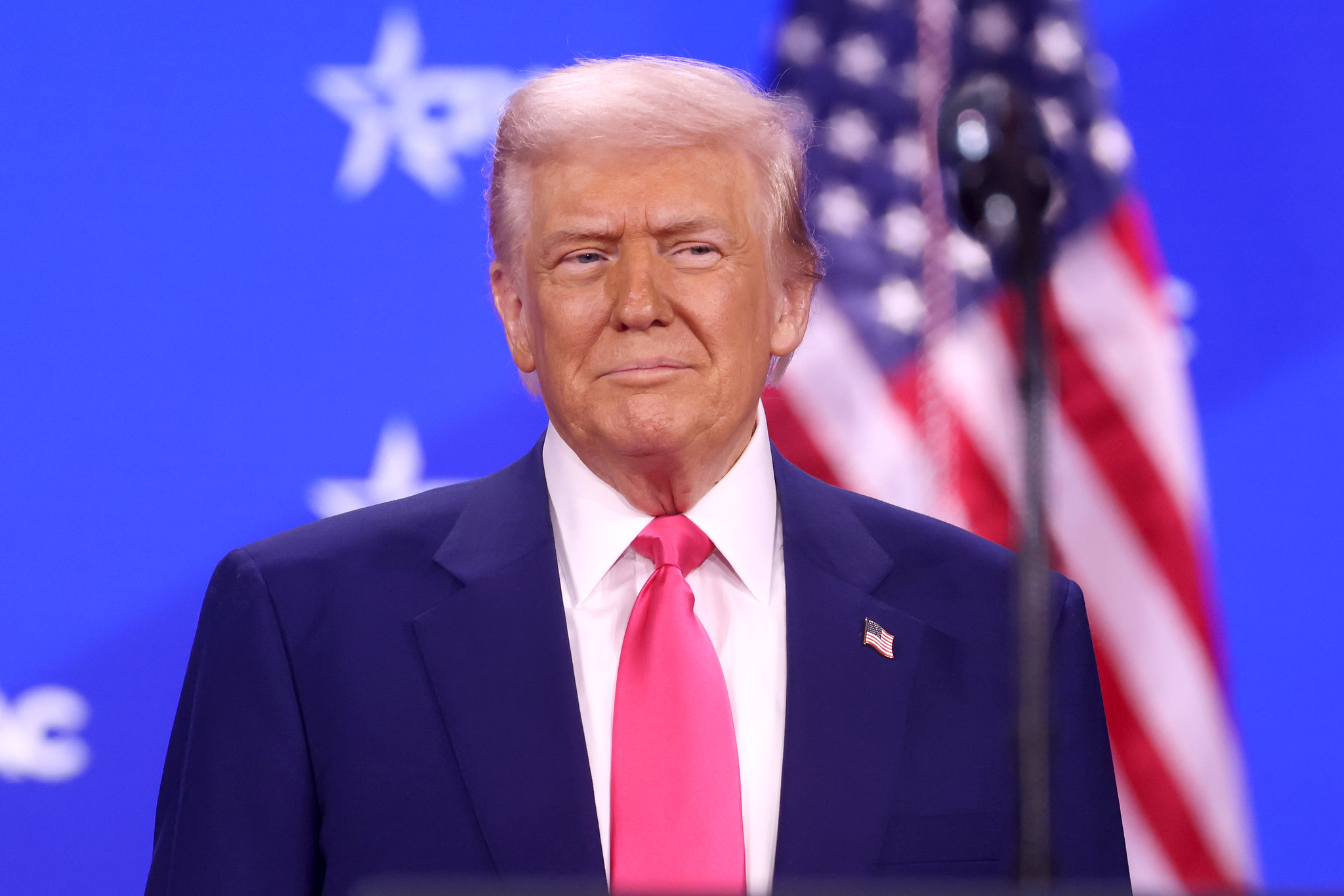
The fund’s financing remains a subject of intense scrutiny. While Blanche stated that the money was allocated from “unobligated DOJ assets,” internal documents obtained by The New York Times suggest that some contributions may have originated from private donations funneled through DOJ-affiliated legal defense organizations. A senior Treasury Department official, who resigned in protest last month, claimed in a whistleblower complaint that the fund’s creation violated the Antideficiency Act, which prohibits federal agencies from obligating funds without congressional approval.
Blanche dismissed these allegations, stating that the fund was “fully compliant with all legal requirements” and that any suggestion of impropriety was “politically motivated.” He added that the fund’s allocation process was “transparent and merit-based,” though he declined to disclose the names of all recipients, citing “ongoing litigation concerns.”
Key Statistic: As of May 19, 2026, the fund has distributed $398 million to 1,247 applicants, with an average payout of $319,000 per recipient. The largest single disbursement—$12.5 million—went to a legal consortium representing Trump’s 2024 campaign staff in Georgia. Full distribution breakdown.
Bipartisan Backlash and Legal Challenges
Lawmakers from both parties expressed skepticism about the fund’s legitimacy. Senator Elizabeth Warren (D-Mass.) called the fund “a thinly veiled slush fund for Trump’s political allies,” while Senator Lindsey Graham (R-S.C.) questioned whether it could be used to “bail out individuals with criminal records.” Graham specifically asked Blanche whether the fund could be accessed by individuals convicted of felonies, including those tied to the January 6 riot. Blanche responded that “eligibility is determined on a case-by-case basis” but did not rule out potential payouts to convicted individuals if they were “wrongfully prosecuted.”
Legal experts are divided over the fund’s constitutionality. Some, like Brookings Institution constitutional scholar Jonathan Turley, argue that the fund may violate the Hatch Act, which prohibits federal agencies from using taxpayer money for partisan purposes. Others, including former DOJ officials under Republican administrations, have defended the fund as a necessary countermeasure to perceived prosecutorial overreach.
The fund’s creation has also led to internal DOJ turmoil. At least seven senior Treasury Department lawyers have resigned in protest since the fund’s announcement, citing “unprecedented ethical concerns.” In a letter to Congress obtained by CNN, one anonymous official described the fund as “a direct violation of the public trust.”
Eligibility Criteria and Transparency Gaps
Blanche provided limited details about how the fund determines eligibility. He stated that applicants must demonstrate they are “targeted for legal action due to their political beliefs or association with the Trump administration.” However, he did not clarify whether this includes individuals facing civil lawsuits, criminal charges, or internal DOJ investigations. The lack of specific criteria has led to speculation that the fund could be used to reward a broad range of Trump allies, including those with questionable legal standing.
One of the most contentious questions revolved around whether the fund could be accessed by individuals tied to the January 6 Capitol riot. Blanche avoided a direct answer, stating that “each case is evaluated individually” but implying that some riot-related defendants could qualify if they were “victims of selective prosecution.” This suggestion drew sharp criticism from Democrats, who accused Blanche of using the fund to undermine ongoing criminal investigations.
Key Takeaways
- $1.8 billion fund: Established to compensate Trump allies facing legal action, with $398 million already distributed.
- Controversial origins: Financed from “unobligated DOJ assets,” but whistleblowers allege private donations were involved.
- Eligibility concerns: Blanche refused to rule out payouts to convicted individuals or January 6 riot defendants.
- Bipartisan opposition: Lawmakers from both parties question the fund’s legality and transparency.
- Internal DOJ crisis: Seven senior lawyers have resigned in protest over ethical violations.
- Next steps: Senate Judiciary Committee to vote on a resolution demanding full fund disclosures by May 24.
Next Steps: Congressional Oversight and Potential Legal Action
The Senate Judiciary Committee is expected to vote on a resolution by May 24, 2026, demanding full transparency into the fund’s financing, allocation process, and recipient lists. If passed, the resolution would require Blanche to appear before the committee again within 30 days to provide detailed answers. Meanwhile, at least three separate lawsuits have been filed challenging the fund’s legality, with arguments scheduled to begin in federal courts in Washington, D.C., and Atlanta.
The fund’s future hinges on several key factors:
- Court rulings: Pending lawsuits could determine whether the fund violates federal ethics laws or the Constitution.
- Congressional action: A potential bipartisan effort to defund or restructure the program could gain traction.
- DOJ internal review: The Justice Department’s Inspector General has launched an investigation into the fund’s creation and management.
- 2024 election implications: Critics argue the fund could influence legal strategies ahead of the November election.
Blanche concluded his testimony by reiterating that the fund was “a necessary defense against political persecution.” However, as lawmakers and legal experts continue to scrutinize its operations, the fund’s long-term viability remains uncertain.
What do you think? Should the $1.8 billion fund be defunded, restructured, or allowed to continue? Share your thoughts in the comments below or join the discussion on our social media channels. For the latest updates on this story, bookmark this page or subscribe to our newsletter.
Frequently Asked Questions
FAQ: The $1.8 Billion Trump Allies Fund
- Q: Who created the fund?
A: The fund was established through an executive order signed by Acting Attorney General Todd Blanche in January 2026, using “unobligated DOJ assets.”
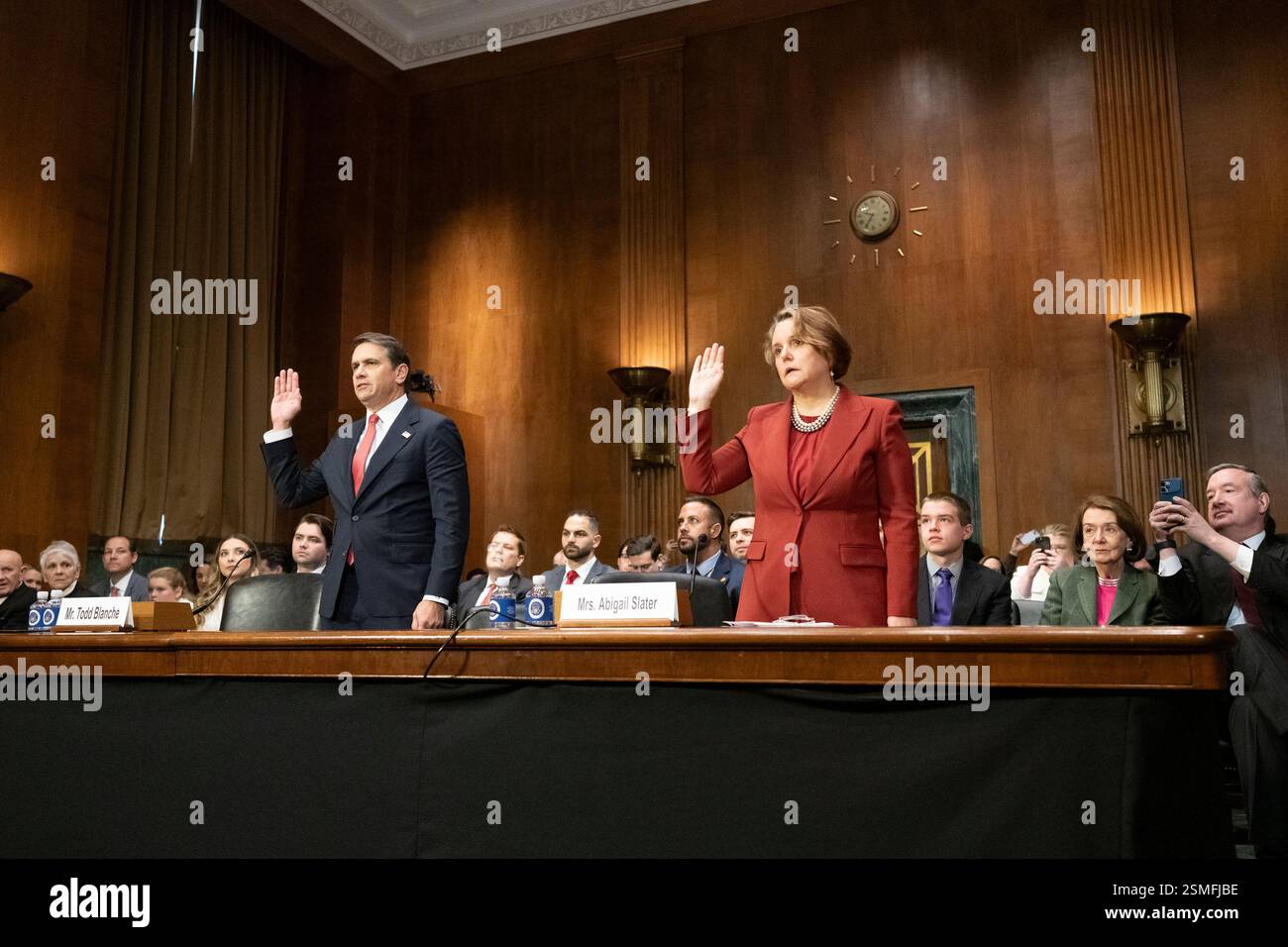
Blanche Congress testimony - Q: How is the money being spent?
A: As of May 19, 2026, $398 million has been distributed to 1,247 applicants, primarily legal teams representing Trump allies. The largest single payout was $12.5 million.
- Q: Who qualifies for the fund?
A: Blanche stated eligibility is based on being “targeted for legal action due to political beliefs,” but specific criteria remain unclear. Some applicants include individuals tied to January 6 investigations.
- Q: Is the fund legal?
A: Legal experts are divided. Critics argue it violates the Antideficiency Act and the Hatch Act, while supporters claim it is a legitimate defense against prosecutorial overreach.
- Q: Can convicted individuals receive payouts?
A: Blanche did not rule this out, stating eligibility is “case-by-case.” This has raised concerns about rewarding individuals with criminal records.
- Q: What’s next for the fund?
A: The Senate Judiciary Committee will vote on a resolution demanding transparency by May 24. Multiple lawsuits challenging the fund’s legality are pending in federal courts.
A Timeline of Key Events
| Date | Event | Source |
|---|---|---|
| January 15, 2026 | Executive order establishes the $1.8 billion Anti-Weaponization Legal Defense Fund. | Federal Register |
| February 10, 2026 | First payouts issued to 45 legal teams representing Trump allies. | Wall Street Journal |
| March 5, 2026 | First senior DOJ lawyer resigns in protest over fund’s creation. | The New York Times |
| May 19, 2026 | Blanche testifies before Senate Judiciary Committee, defending the fund. | Live testimony |
| May 24, 2026 | Senate Judiciary Committee votes on resolution demanding fund transparency. | Pending |
The next critical checkpoint is the Senate Judiciary Committee’s vote on May 24, 2026, which will determine whether Acting Attorney General Blanche must provide full disclosures about the fund’s operations. Legal challenges in federal courts are also expected to move forward, with rulings potentially coming within the next 60 days.
For official updates, monitor the U.S. Department of Justice and the Senate Judiciary Committee websites. This story will be updated as new developments emerge.
Worth a look
- Phoenix Species Project Secures $200 Million in Funding to Save Endangered Species
- Los Reyes Cartel Leader Arrested in Michoacán Amid Blockades and Violence
- Tokushima Legal Professionals Collaborate on Law in Practice Initiative (archyde.com)
- BP Q2 Profit Hits $5.7 Billion Amid Trump Criticism of Big Oil Windfalls (time.news)