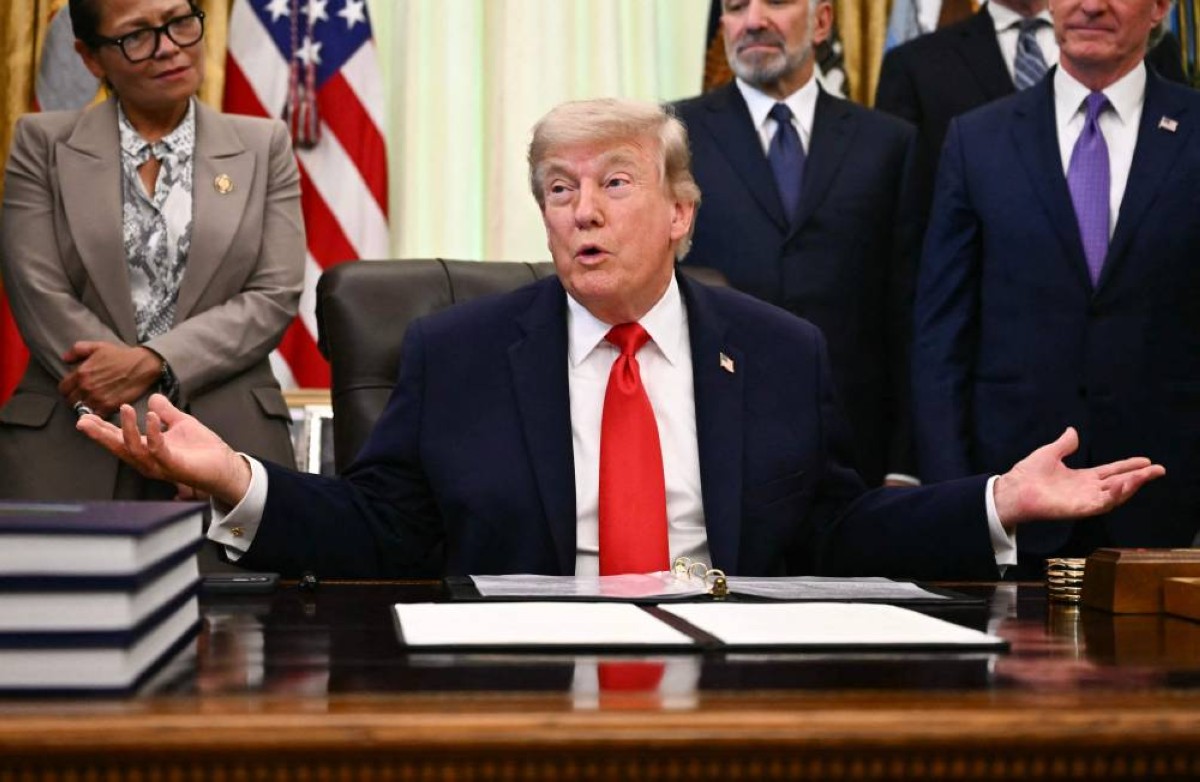
President-elect Donald Trump has formally rejected the possibility of “good faith” negotiations with Iran, signaling a rigid approach to future U.S.-Iran relations as his administration prepares to take office. This stance, articulated through recent public statements and social media, marks a clear departure from diplomatic efforts to revive nuclear-related dialogue, framing the relationship as one defined by inherent distrust rather than potential for reconciliation.
The hardening of this position follows a series of reports regarding back-channel communications and leaked proposals that suggested potential pathways for de-escalation between Washington and Tehran. According to reports from Reuters, Iranian officials have sought to gauge the incoming administration’s policy direction, though the Trump team has consistently characterized such overtures as deceptive or inconsequential to established U.S. policy goals.
Policy Shifts in the Transition Period
The core of the current tension involves how the incoming U.S. administration intends to manage the “maximum pressure” strategy that defined Trump’s first term. While analysts have debated whether a shift toward a transactional agreement is possible, the President-elect has dismissed the premise of mutual trust. As reported by the New York Times, the incoming administration remains focused on containing Iranian influence rather than pursuing the framework of the 2015 Joint Comprehensive Plan of Action (JCPOA), which the U.S. withdrew from in 2018.
The skepticism expressed by the Trump transition team is rooted in the belief that Iranian leadership uses diplomatic windows to bypass economic sanctions. By labeling proposed terms as “false” or “bad faith,” the administration is setting a precedent that any future engagement will be conducted under strict, non-negotiable conditions rather than traditional diplomatic bargaining.
The Impact of Sanctions and Regional Security
The economic landscape remains a primary driver of the impasse. Since the re-imposition of heavy U.S. sanctions in 2018, the Iranian economy has faced significant contraction, a reality that the International Monetary Fund has documented in its periodic assessments of the country’s fiscal health. The incoming administration’s focus on maintaining these economic constraints serves as a primary tool of leverage, aimed at forcing a change in behavior regarding regional proxy activities and ballistic missile development.
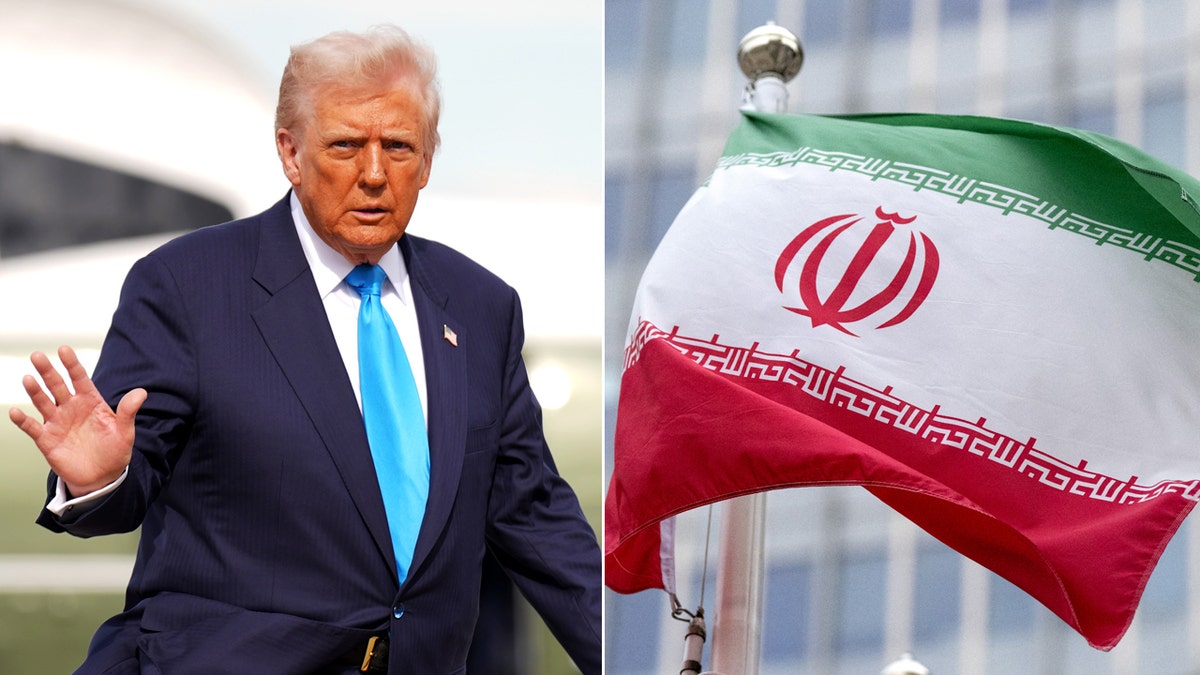
Regional stakeholders, including Israel and Gulf Cooperation Council (GCC) members, are closely monitoring these developments. The U.S. Department of State continues to designate Iran as a state sponsor of terrorism, a classification that dictates the legal and diplomatic boundaries for any potential future interaction. For the Trump administration, this legal framework provides the justification for maintaining a confrontational posture rather than seeking a new, softer diplomatic opening.
Comparative Approaches to Diplomacy
Comparing the current transition rhetoric with the final months of the Biden administration reveals a sharp divide in foreign policy philosophy. While the outgoing administration maintained a preference for “coordinated diplomacy” alongside European allies, the incoming team is emphasizing unilateral action. According to the BBC, the divergence in strategy creates a period of significant uncertainty for regional security, as both Tehran and Washington recalibrate their defensive and offensive postures in anticipation of January 20, 2025.
The following table outlines the primary differences in the current diplomatic environment:
| Feature | Outgoing Administration | Incoming Administration |
|---|---|---|
| Diplomatic Strategy | Multilateral engagement | Maximum pressure/Unilateralism |
| View on Negotiations | Conditional dialogue | Rejection of “good faith” premise |
| Sanctions Policy | Targeted/Enforcement-focused | Broad, expansive application |
What Happens Next?
The immediate future of U.S.-Iran relations will likely be defined by the new cabinet appointments within the Trump administration, particularly those overseeing the Department of Defense and the Department of State. Observers will look for the first official policy directives issued after the inauguration, which will clarify the extent to which the current rhetoric translates into new executive orders or legislative demands.
The next major checkpoint for this geopolitical dynamic will be the first round of budgetary reviews and national security assessments conducted by the incoming administration in early 2025. These documents, often published by the White House, will provide the clearest signal of whether the current hardline rhetoric will be codified into a sustained long-term strategy of isolation or if space will eventually be made for back-channel communications.
Readers interested in tracking these developments can monitor official updates from the U.S. Department of Defense for announcements regarding military posture in the Middle East. We invite our readers to share their analysis on these developments in the comments section below as we continue to track this evolving story.
Related reading