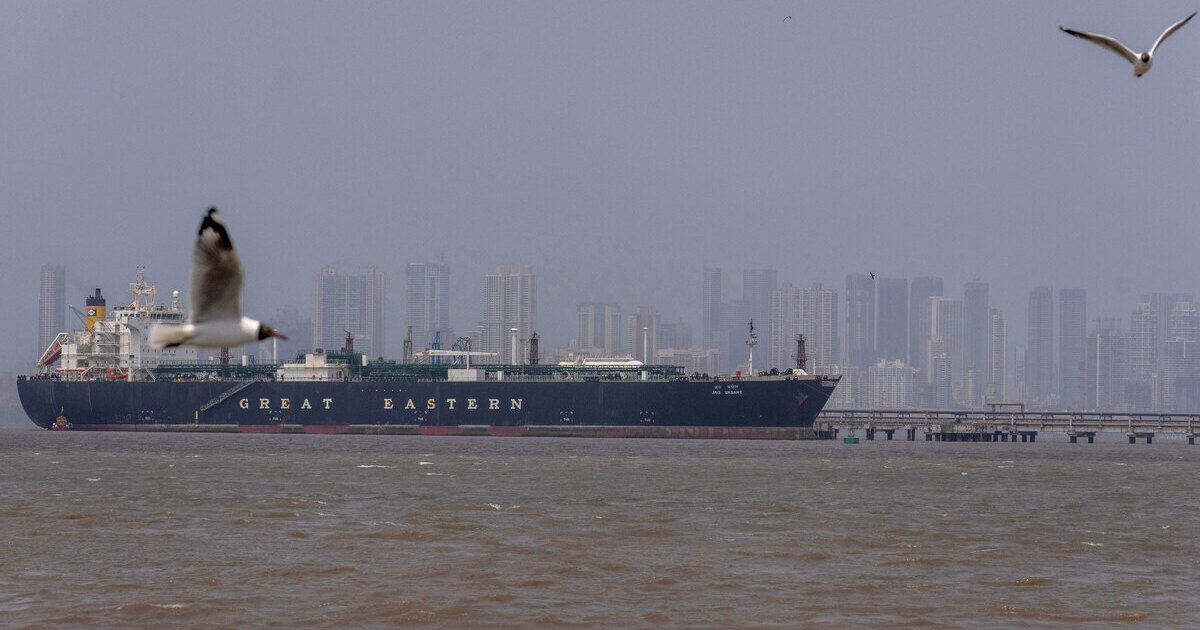
The United States has fully implemented a naval blockade of the Strait of Hormuz, a critical maritime chokepoint, as tensions between Washington and Tehran reach a volatile new peak. According to recent reports, U.S. Forces are actively turning back ships attempting to navigate the blockade, marking a significant escalation in the military pressure applied to the Iranian government.
Despite the aggressive military posture, a window for diplomacy remains open. Donald Trump has indicated that talks between the U.S. And Iran could resume within the next two days, suggesting that the current naval pressure may be intended to force a diplomatic breakthrough via BBC.
The situation is further complicated by regional diplomatic maneuvers. In a bid to restart dialogue, the Pakistani army chief is currently in Tehran, underscoring the role of third-party mediators in attempting to avert a full-scale regional conflict via Al Jazeera.
The Naval Blockade of the Strait of Hormuz
The Strait of Hormuz is one of the world’s most strategically important waterways, serving as the primary artery for global oil exports from the Persian Gulf. The implementation of a US naval blockade of the Strait of Hormuz represents a severe economic and military lever. The U.S. Has confirmed that ships are being turned back by the blockade, effectively restricting maritime traffic in the region via BBC.
Such a blockade typically aims to isolate a target nation economically, cutting off the flow of exports and imports. In this instance, the move places immense pressure on Iran’s ability to export oil, which is a cornerstone of its national economy. The operational execution of this blockade indicates a high level of U.S. Naval readiness and a willingness to risk direct maritime confrontation to achieve geopolitical objectives.
Diplomatic Efforts and the Path to Talks
While the military situation remains tense, the political rhetoric suggests a dual-track strategy of “maximum pressure” combined with an invitation to negotiate. Donald Trump has stated that talks with Iran could resume over the next two days, signaling that the administration believes a diplomatic resolution is still possible via BBC.
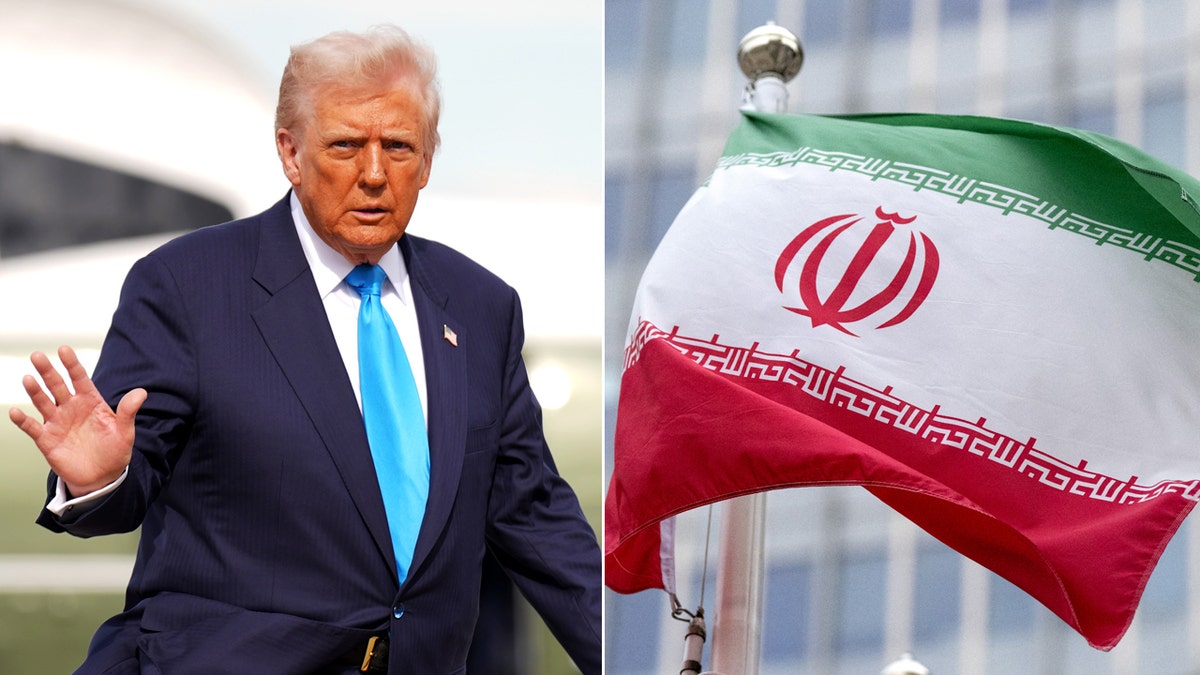
The involvement of Pakistan further highlights the international effort to stabilize the region. The presence of the Pakistani army chief in Tehran is viewed as a critical step in facilitating a restart of U.S.-Iran talks, as Pakistan maintains a unique diplomatic position that allows it to engage with various stakeholders in the Middle East via Al Jazeera.
Broader Middle East Instability
The crisis in the Persian Gulf is not occurring in isolation. The wider Middle East remains plagued by instability, with other flashpoints complicating the diplomatic landscape. Most notably, there have been conflicting reports regarding a proposed one-week ceasefire in Lebanon, illustrating the difficulty of achieving lasting peace across multiple regional fronts via The Guardian.
The interconnection between the Iran-U.S. Standoff and the situation in Lebanon suggests that any comprehensive resolution to the regional crisis will likely require a coordinated diplomatic effort addressing several interdependent conflicts simultaneously.
Key Takeaways
- Naval Action: The U.S. Has fully implemented a blockade in the Strait of Hormuz, turning back ships.
- Diplomatic Timeline: Donald Trump indicated that talks with Iran could resume within the next two days.
- Mediator Role: The Pakistani army chief is currently in Tehran to assist in restarting U.S.-Iran dialogue.
- Regional Context: Conflicting reports persist over a proposed one-week ceasefire in Lebanon.
The immediate focus now shifts to whether the diplomatic window mentioned by the U.S. Administration will materialize into formal negotiations. The next critical checkpoint will be the confirmation of whether talks actually resume within the two-day window suggested by Donald Trump.
We invite our readers to share their perspectives on these developments in the comments below. Please share this report to keep others informed on this evolving global crisis.
Worth a look