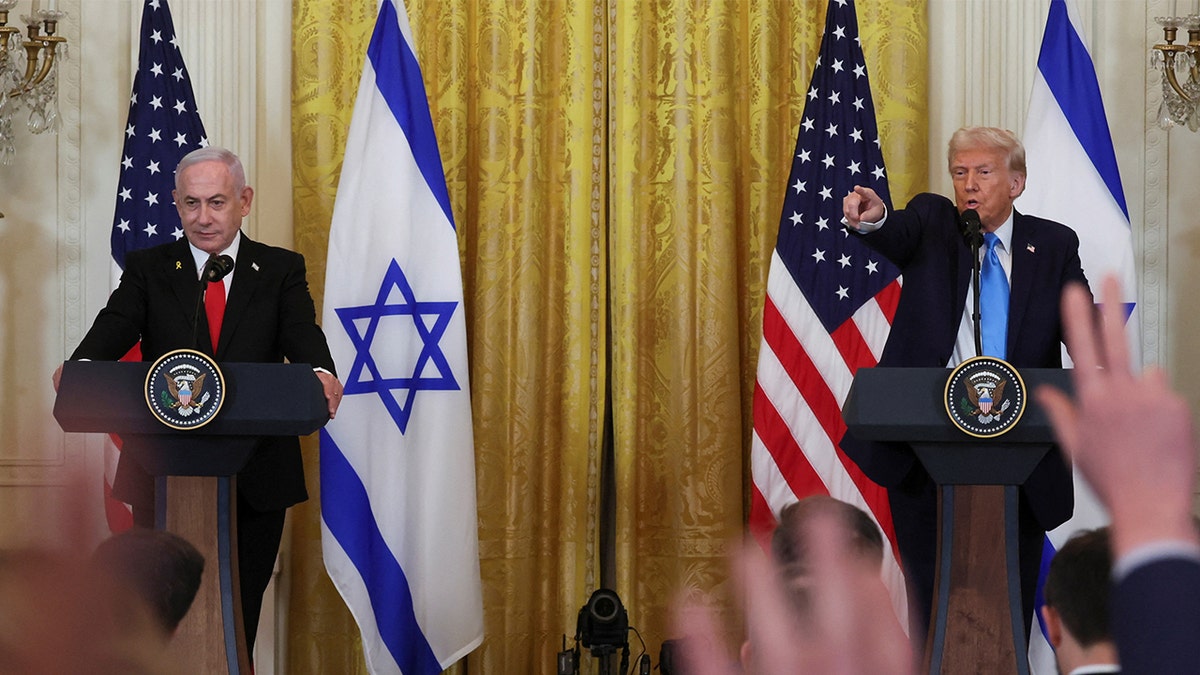
President Donald Trump’s consolidation of influence within the Republican Party is creating a significant diplomatic challenge for Israeli Prime Minister Benjamin Netanyahu. As the United States navigates its role in ongoing Middle Eastern conflicts, the alignment—and occasional friction—between the White House and the Israeli government has shifted the traditional expectations of the U.S.-Israel alliance. This evolving dynamic leaves the Israeli leadership with a narrowing range of political maneuverability as Washington prioritizes its own strategic objectives in the region.
The core of the current tension lies in the differing timelines and goals regarding the war in the Middle East. While the Israeli government faces domestic and security pressure to pursue its stated military objectives against regional adversaries, the current U.S. administration has signaled a desire for a swift conclusion to hostilities. This divergence in strategy is complicated by the Republican Party’s internal cohesion under President Trump, which has limited the avenues through which foreign leaders can traditionally lobby for alternative U.S. policies.
The Shifting GOP Alignment and Its Diplomatic Impact
The Republican Party’s unified stance behind President Trump’s agenda has fundamentally altered the landscape for international engagement. Historically, foreign leaders often looked to various factions within the U.S. Congress to influence foreign policy. However, the current consolidation of power under the Trump administration means that policy directives are increasingly centralized. For Benjamin Netanyahu, this creates a situation where traditional diplomatic channels and bipartisan outreach are less effective than they may have been in previous administrations.
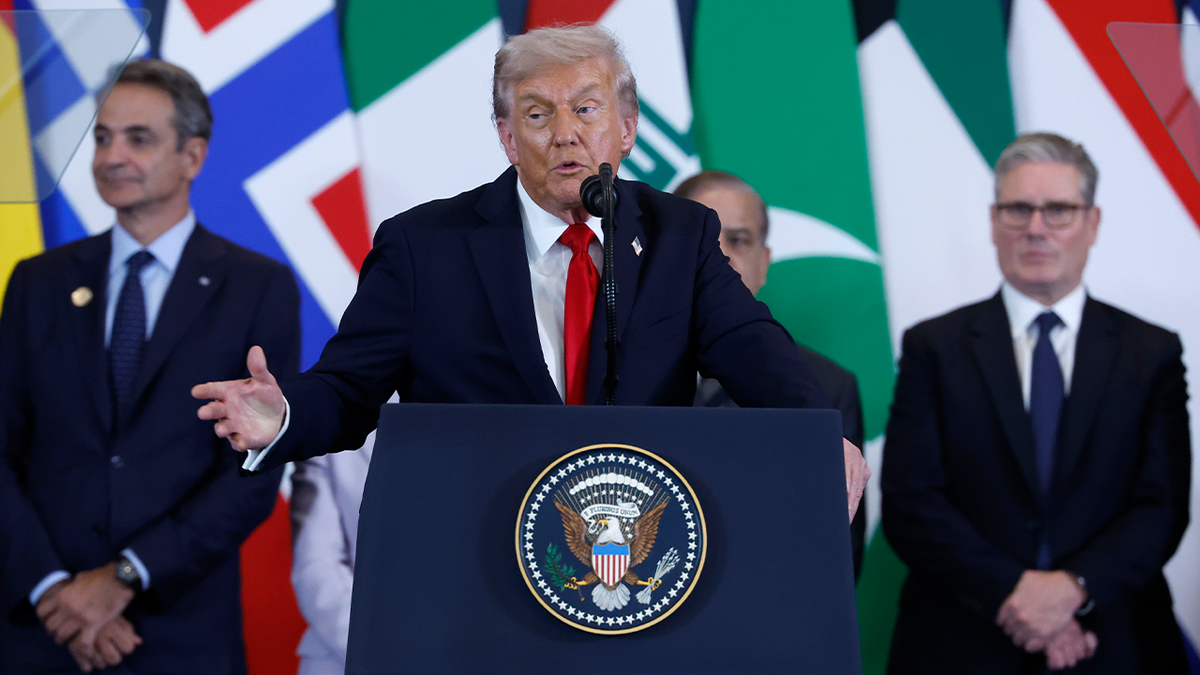
According to the White House, the current administration maintains a focus on its stated “America First” foreign policy objectives, which prioritize domestic stability and a rapid resolution to foreign entanglements. This shift has forced the Israeli government to contend with a White House that is less responsive to the specific security arguments often used by regional allies to justify prolonged military operations. The lack of an independent power base within the GOP for Netanyahu to leverage means that his administration must negotiate directly with a president who has shown a willingness to break with established norms of international diplomacy.
Strategic Divergence on Regional Conflict
The relationship between the two leaders, once characterized by close ideological alignment, is now strained by the realities of the ongoing war. While both sides share an interest in regional stability, they fundamentally disagree on the path to achieve it. The U.S. administration has pushed for a quicker conclusion to the conflict, expressing concerns over the geopolitical costs of a sustained war. In contrast, the Israeli cabinet has maintained that reaching its military goals is a prerequisite for long-term security.
This conflict is further exacerbated by the U.S. approach to Iran. While the White House has sought to minimize direct American military involvement, it has simultaneously exerted pressure on Israel to align its military operations with broader U.S. strategic goals. The U.S. Department of State has indicated that its primary objective remains the prevention of a wider regional conflagration, a goal that often clashes with the specific tactical requirements of the Israeli Defense Forces on the ground.
The Future of the U.S.-Israel Relationship
As the conflict continues, the question remains how much longer the current friction can persist without resulting in a more definitive break in relations. The Netanyahu government is currently attempting to balance its domestic political commitments with the necessity of maintaining a functioning partnership with Washington. However, the limited influence of dissenting voices within the Republican Party suggests that there is little room for the Israeli government to maneuver if the White House decides to withhold support or demand a change in military strategy.
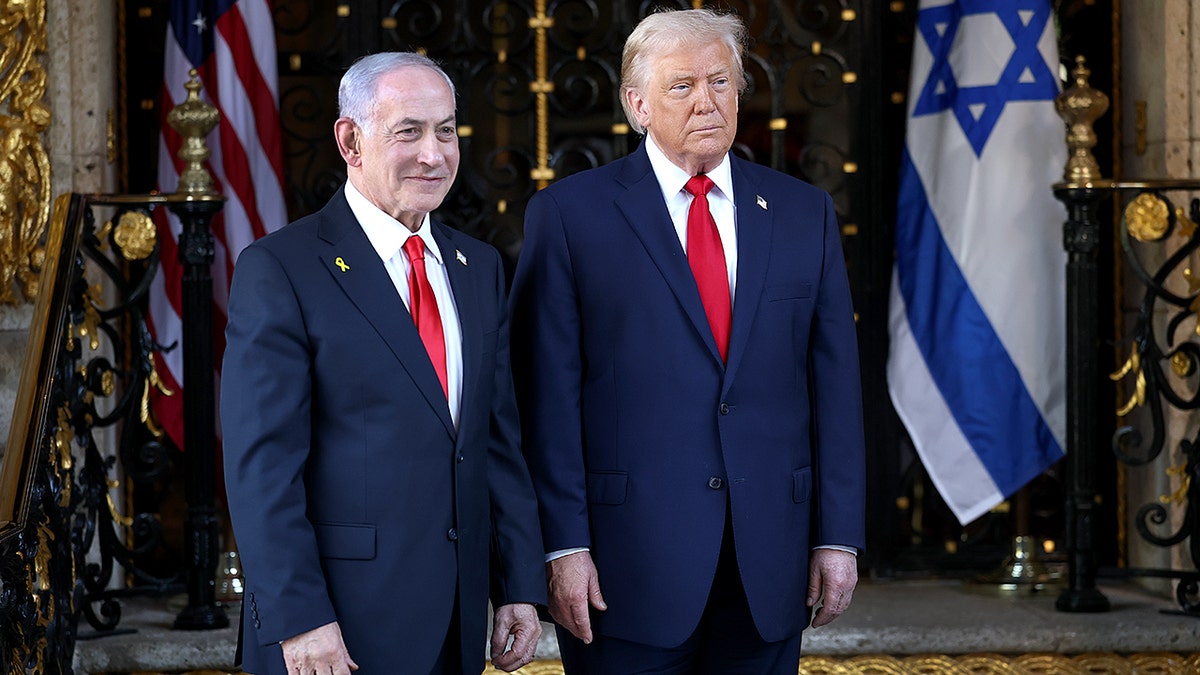
Observers note that the pressure on the Israeli government is not merely external. Within Israel, the government faces its own set of challenges, including public protests and internal cabinet disagreements regarding the duration and scope of the conflict. The inability to secure a clear, long-term commitment from the Trump administration for a multi-year military strategy has left the Israeli government in a precarious position. The next major checkpoint for this relationship will likely involve upcoming high-level diplomatic meetings scheduled for the late summer, where the two sides are expected to discuss the post-war governance of the affected regions.
The situation remains fluid, and international observers are closely monitoring how both nations adjust their rhetoric and actions in the coming weeks. We encourage our readers to share their perspectives in the comments section below as we continue to track these developments in real-time.
Worth a look