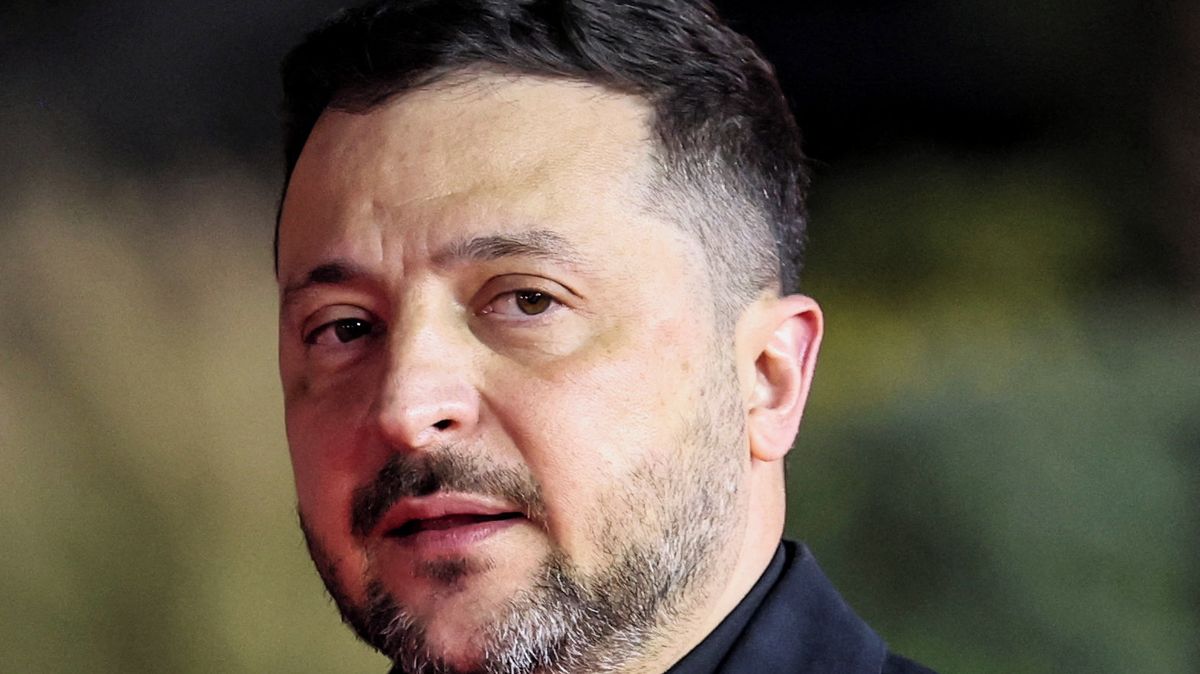
Ukraine is seeking specific details from the United States regarding a Russian ceasefire proposal, a move that underscores the mounting tension and strategic misalignment between Kyiv and the administration of President Donald Trump. The request comes as Ukrainian leadership attempts to navigate a diplomatic landscape where their primary Western ally appears increasingly inclined to negotiate terms directly with the Kremlin.
This push for transparency follows reports of high-level communications between President Trump and Russian President Vladimir Putin. For Kyiv, the lack of clarity surrounding these discussions is not merely a diplomatic hurdle but a matter of national survival. The request for details on the Ukraine Russian ceasefire proposal arrives at a moment when President Volodymyr Zelensky has begun to publicly signal that the United States may no longer be a reliable partner in Ukraine’s fight for sovereignty.
The current friction is the result of a year of deteriorating relations since Donald Trump returned to the White House. According to reporting from The Atlantic, the U.S. Administration has largely halted military aid to Kyiv, and Trump has frequently insulted Ukrainian leaders, including a documented instance in February 2025 where he personally berated President Zelensky in the Oval Office.
A Pattern of Direct U.S.-Russia Dealmaking
The Ukrainian government’s caution regarding the current ceasefire proposal is rooted in previous experiences with Trump’s approach to the conflict. In January 2026, the U.S. President announced that Vladimir Putin had agreed to stop attacks on Kyiv and other towns during a severe cold snap, with temperatures in the capital expected to drop to -24C (BBC).
While that period saw a relative decrease in strikes on the capital, the Kremlin characterized the move as a personal favor to Trump intended to facilitate U.S.-mediated peace negotiations (BBC). For Kyiv, such arrangements—made without their direct involvement or detailed prior knowledge—suggest a pattern of “spheres of influence” diplomacy that risks trading Ukrainian territory or autonomy for a superficial peace.
Zelensky has previously participated in Trump-led peace negotiations, which he and his advisors viewed as tilted toward rewarding the Russian invasion. Despite these doubts, Ukraine initially attempted to win over the U.S. President through diplomatic praise and mineral deals designed to benefit American interests, a strategy that has since proven fruitless (The Atlantic).
The Strategic Pivot: Seeking New Alliances
Feeling abandoned by Washington, Ukraine has aggressively diversified its diplomatic and military partnerships. No longer relying solely on the transatlantic relationship, Kyiv is now leveraging its combat experience to forge new bonds in the Middle East and Europe.
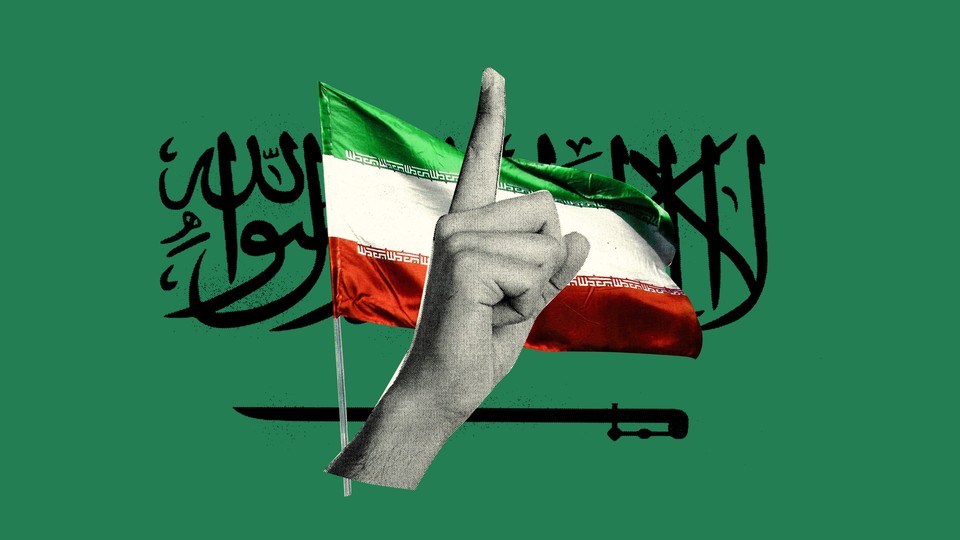
Ukraine has begun sharing its expertise in drone warfare with Saudi Arabia, Qatar, and the United Arab Emirates. Simultaneously, the government has secured new arms-production agreements with Germany to ensure a steady supply of weaponry independent of U.S. Approval (The Atlantic).
This shift in strategy is accompanied by a more assertive military posture. In a direct defiance of “signals” from unspecified partners to avoid hitting Russian energy infrastructure, Ukraine has launched drone attacks on oil-export facilities near St. Petersburg, deep within Russian territory (The Atlantic). This escalation suggests that Kyiv is preparing for a future where it must rely on its own deterrents rather than U.S. Diplomatic shields.
Energy Politics and the Iran Conflict
Further complicating the relationship is the Trump administration’s recent decision to ease sanctions on Russian oil producers and sellers. This policy shift was implemented as an effort to prevent energy prices from spiking further during the ongoing U.S.-Israeli war against Iran (The Atlantic).
President Zelensky has been sharply critical of this decision, arguing that the Russian government has effectively manipulated the U.S. Presidency. In a recent interview with Italian radio, Zelensky stated, “In my view, Russia played the Americans again—played the president of the United States” (The Atlantic).
The intersection of the Middle East conflict and the war in Ukraine has created a precarious situation for Kyiv. As the U.S. Prioritizes its strategic goals regarding Iran and global energy stability, Ukraine fears that the Ukraine Russian ceasefire proposal may be designed to resolve the European conflict quickly, regardless of the cost to Ukrainian sovereignty, to allow the U.S. To focus its resources elsewhere.
Key Dimensions of the Diplomatic Rift
| Issue | U.S. Administration Position | Ukrainian Government Position |
|---|---|---|
| Military Aid | Largely halted aid to Kyiv (The Atlantic) | Seeking arms-production deals with Germany |
| Russian Oil | Eased sanctions to stabilize prices during Iran war | Views easing as a victory for Russian manipulation |
| Peace Talks | Direct negotiations with Putin | Demands full transparency on ceasefire terms |
| Alliances | Prioritizing “power relations” between major powers | Diversifying partners (UAE, Qatar, Saudi Arabia) |
As Ukraine awaits the requested details on the Russian proposal, the broader transatlantic relationship remains in a state of flux. Zelensky’s recent indications that Europe must move on from its dependence on the United States mark a historic departure from the post-WWII security architecture. The outcome of this request for information will likely determine whether Ukraine enters negotiations as a partner or as a subject of a deal struck between Washington and Moscow.
The next critical checkpoint will be the official response from the U.S. State Department or the White House regarding the specific terms of the Russian proposal. We will continue to monitor these developments as they unfold.
Do you believe the U.S. Should negotiate directly with Russia, or must Ukraine be the primary architect of any ceasefire? Share your thoughts in the comments below.
- Russia Attacks Over 200 Gas Stations in Ukraine Since June
- Vučić Expects Finalization of NIS Ownership Deal Between MOL and Gazprom Neft
- UK Seeks Extradition of British-Azerbaijani Man Over Alleged Iran Spying at Cyprus RAF Base (newsdirectory3.com)
- The Senate Blue Slip, Explained: The Custom Trump Wants Gone (daybreakwire.com)