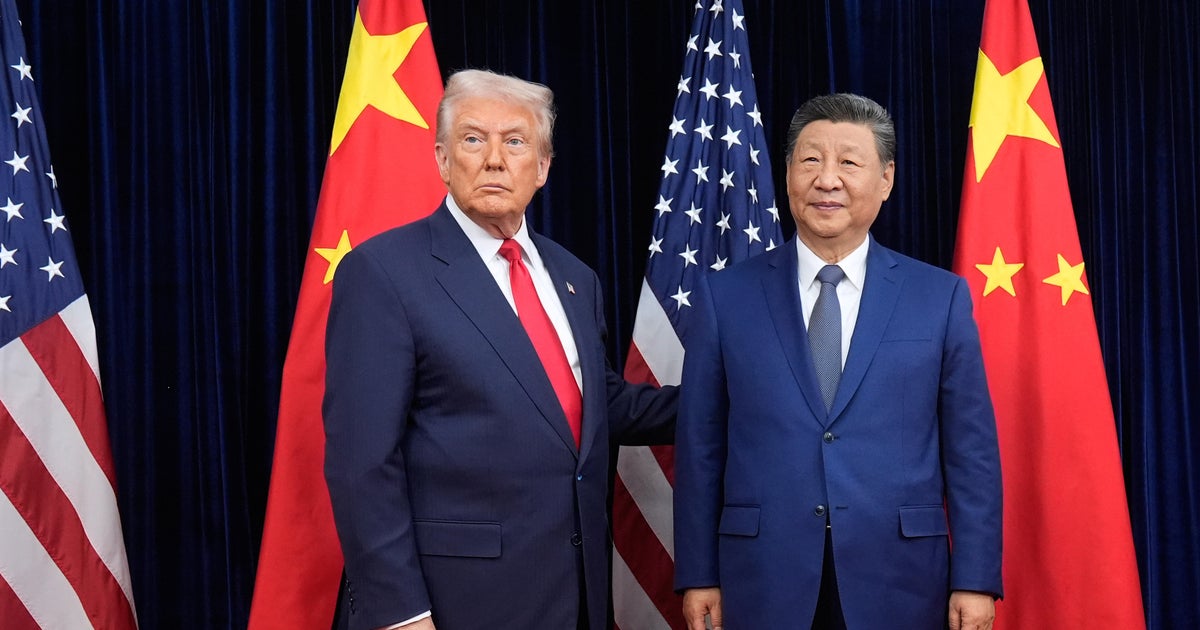
President Donald Trump is scheduled to arrive in Beijing on Wednesday for a high-stakes summit with Chinese President Xi Jinping, marking the first visit to China by a U.S. President in nearly a decade. The meeting comes at a volatile geopolitical juncture, as the administration seeks to stabilize the relationship between the world’s two largest economies while simultaneously navigating a deepening military conflict in the Middle East.
The summit is expected to focus on a complex array of priorities, ranging from trade imbalances and energy cooperation to the status of Taiwan. However, the proceedings are heavily overshadowed by the ongoing war with Iran, which has now entered its third month. The conflict has created significant supply chain bottlenecks in the Persian Gulf, adding an element of urgency to the diplomatic discussions in Beijing.
Ahead of his departure, President Trump expressed strong personal confidence in his relationship with President Xi, describing him as a “great gentleman” and an “amazing, amazing man.” The president also indicated on Truth Social that he expects a “big, fat hug” upon his arrival, signaling a desire to maintain a positive personal rapport even as the two nations clash over systemic strategic interests.
The delegation accompanying the president highlights a significant intersection of government policy and corporate interest. High-profile tech leaders, including Tesla CEO Elon Musk and Nvidia CEO Jensen Huang, were seen accompanying the president. The White House also extended invitations to other influential figures, including Apple CEO Tim Cook, Blackrock’s Larry Fink, and Goldman Sachs’ David Solomon, underscoring the administration’s focus on leveraging private sector ties to secure economic deals.
The Shadow of the Iran Conflict
While trade and technology are central to the agenda, the war with Iran looms as the most pressing external pressure on the summit. The conflict has seen Tehran tighten its grip over the Strait of Hormuz, a critical maritime chokepoint for global energy supplies. This instability in the Persian Gulf has created economic ripples that neither Washington nor Beijing is keen to ignore, as supply chain disruptions threaten global market stability.
President Trump has sought to project strength regarding the Middle East crisis, stating to reporters before leaving the White House that the United States has “Iran very much under control.” When questioned about the possibility of seeking Chinese assistance to resolve the conflict, the president remained defiant, asserting, “I don’t think we need any help with Iran. We’ll win it one way or the other – peacefully or otherwise.”
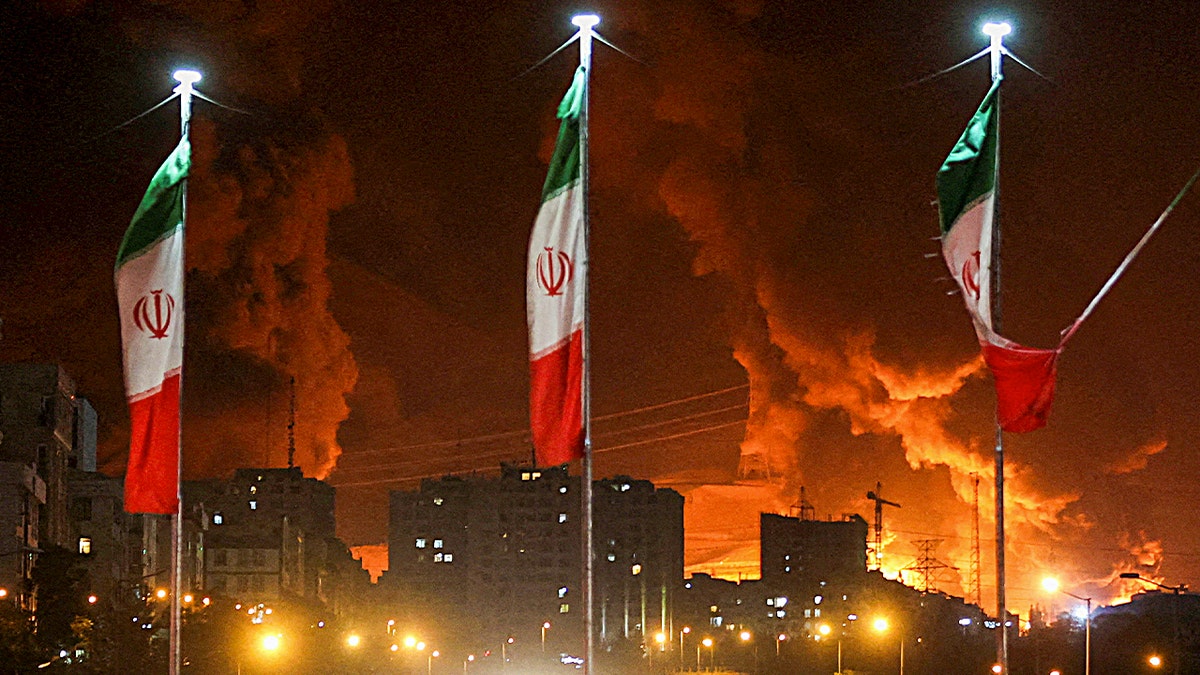
Despite this public confidence, foreign policy analysts suggest that the conflict may complicate the negotiations in Beijing. There are concerns that the pressure of the Iran war could tempt the U.S. Administration to adjust its stance on other regional issues to secure Chinese cooperation or neutrality. Specifically, observers are watching to see if the U.S. Might weaken its support for Taiwan—the self-governing democracy claimed by Beijing—in exchange for Xi’s assistance in stabilizing the Middle East.
Economic Stakes and the Tech Vanguard
The presence of CEOs from the semiconductor and electric vehicle industries suggests that artificial intelligence (AI) and high-tech trade will be primary pillars of the talks. The inclusion of Jensen Huang of Nvidia and Elon Musk of Tesla indicates a strategic effort to balance national security restrictions on technology transfers with the commercial necessity of maintaining access to Chinese markets and supply chains.
For the Chinese government, the summit is an opportunity to ensure that the relationship with the U.S. Remains stabilized. Beijing’s primary objective regarding Taiwan remains unchanged: the Chinese leadership seeks to bring the territory fully under Beijing’s control without intervention from the United States. The outcome of the summit may hinge on whether President Trump views Taiwan as a negotiable asset or a non-negotiable security commitment.
Trade remains a perennial point of contention. The administration continues to seek deals that improve the trade balance and address energy needs, while Chinese exporters remain wary of tariffs. However, current reports suggest that for many in China, the immediate worries surrounding the Iran conflict and its impact on global shipping now eclipse traditional concerns over U.S. Tariffs.
Personal Diplomacy in a Polarized Era
The contrast between the stark geopolitical tensions and President Trump’s personal praise for President Xi is a defining characteristic of this summit. By emphasizing his “very good relationship” with the Chinese leader and describing him as a “tremendous guy,” Trump is utilizing a strategy of personal diplomacy to create a permissive environment for headline-grabbing deals.
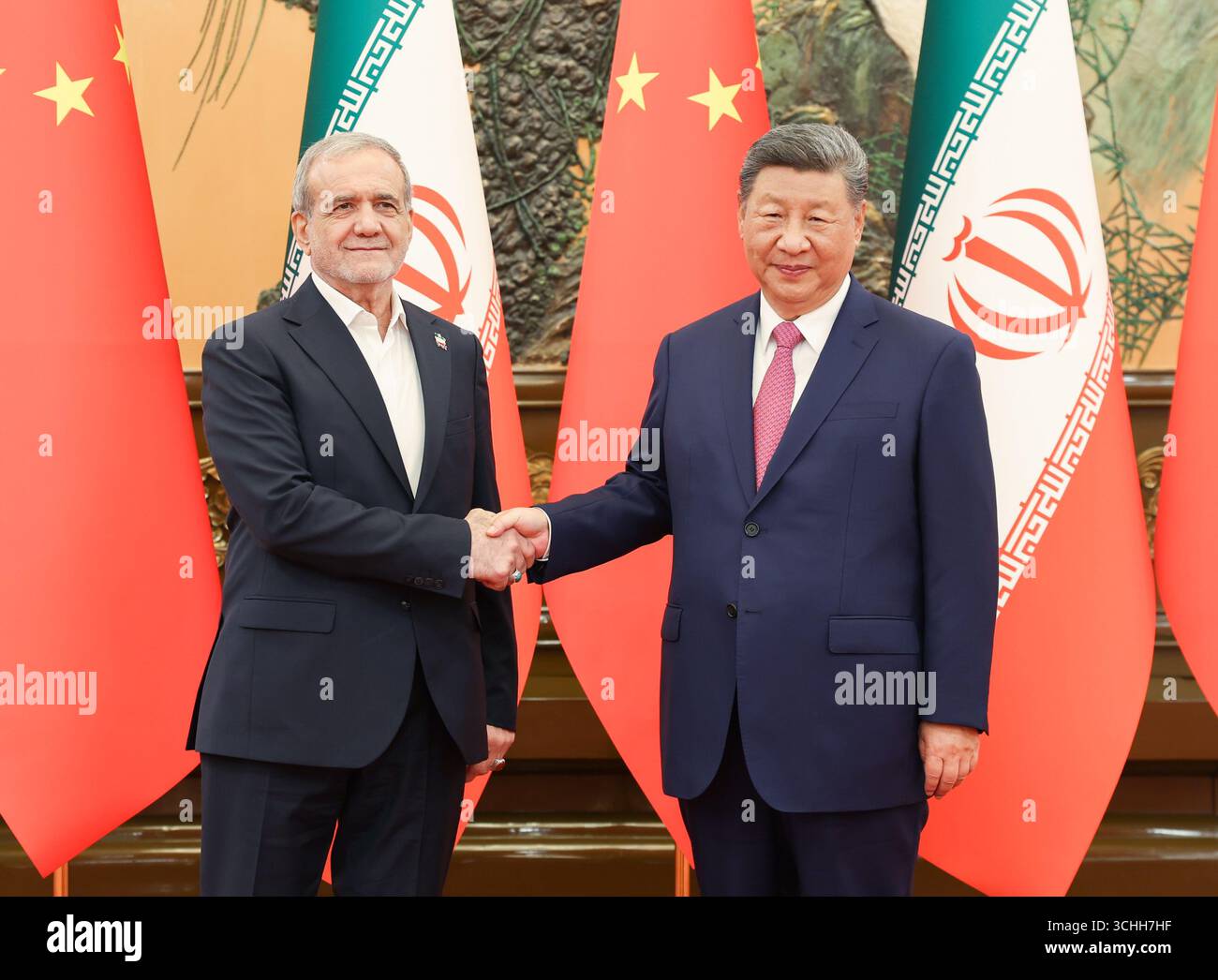
This approach aims to decouple the personal rapport between leaders from the institutional friction between the two governments. By framing the relationship in terms of business and mutual respect—noting that the U.S. Is “making a lot of money” through trade with China—the president is attempting to frame the summit as a negotiation between two powerful executives rather than a clash of ideological systems.
However, the “big, fat hug” promised on social media will be tested by the reality of the two-day talks. The stability of the U.S.-China relationship is viewed as a priority by both capitals, as neither side has a strong interest in an uncontrolled escalation that could trigger a broader global economic downturn.
What Happens Next
The summit will unfold over two days in Beijing, with a heavy focus on whether the two leaders can reach a consensus on the “tenuous situation” in Iran and the future of trade and AI. The world will be watching for any shift in U.S. Rhetoric regarding Taiwan and any concrete agreements on energy or technology exports.
The next confirmed checkpoint will be the official joint statement issued at the conclusion of the two-day summit, which will detail the agreed-upon frameworks for trade, security, and the resolution of the conflict in the Middle East.
World Today Journal encourages readers to share this story and join the conversation in the comments section below as we continue to monitor the developments in Beijing.