Trump and Xi Meet in Beijing to Discuss Economic Cooperation Amid Shift in Tariff Policy
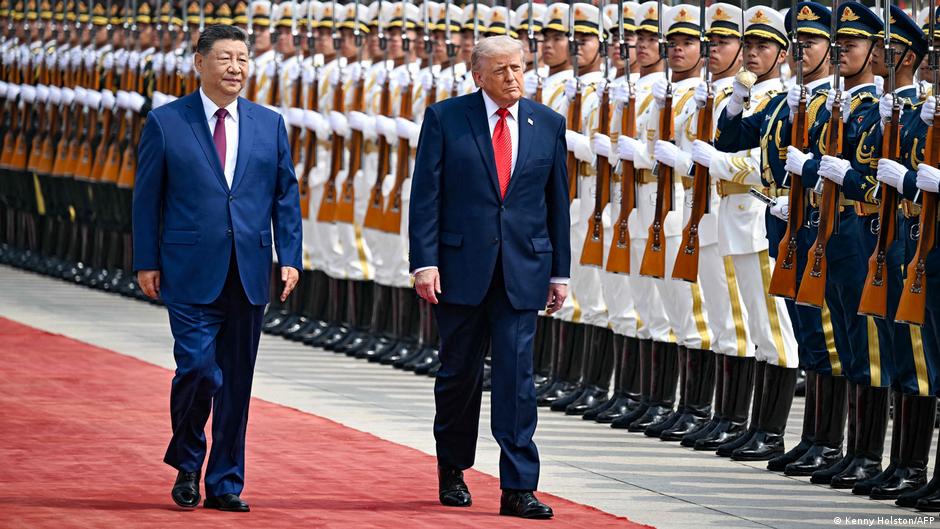
BEIJING — In a high-stakes diplomatic encounter, U.S. President Donald Trump and Chinese President Xi Jinping met in Beijing this week to discuss ways to enhance economic cooperation between the world’s two largest economies. The discussions come at a critical juncture for U.S. Trade policy, following a recent legal setback that has limited the administration’s ability to use unilateral tariffs as a primary negotiating tool.
The meeting, held at the Great Hall of the People, marks a significant attempt to find “new consensuses” on trade relations. While the long-standing economic confrontation between Washington and Beijing continues, both leaders appear to be pivoting toward discussions centered on market access and industrial investment.
Seeking Economic Consensuses in Beijing
The talks were characterized by the White House as productive, focusing on specific areas of mutual economic interest. According to a White House official who spoke to journalists on Thursday morning, the meeting was “positive” and centered on practical avenues for bilateral growth.
Key pillars of the discussion included the expansion of market access within China for American companies and a corresponding increase in Chinese investment within United States industries. These topics represent a potential shift in the mechanics of the U.S.-China relationship, moving from a strictly confrontational tariff-based approach toward a framework of reciprocal economic engagement.
The diplomatic efforts follow a period of intense rhetoric. On May 12, President Trump took to Truth Social to signal his intentions ahead of the summit, describing President Xi as an “extraordinary leader.” In his post, Trump expressed a desire to see China “open” to allow “brilliant people” to “do their magic” and assist in elevating the People’s Republic to even higher levels of development.
Legal Headwinds: The Supreme Court and Tariff Powers
The recent push for economic cooperation is unfolding against a backdrop of significant domestic legal changes in the United States. Earlier this year, a Supreme Court ruling fundamentally altered the landscape of American trade enforcement by limiting the President’s ability to invoke emergency powers to impose tariffs.
For the Trump administration, this ruling represents a direct challenge to one of its most utilized tools for exerting pressure on Beijing. The decision has effectively curtailed the executive branch’s capacity to unilaterally implement aggressive tariff structures, which the administration has historically defended as necessary to secure fairer trading conditions. This legal limitation has necessitated a more traditional diplomatic approach to trade negotiations, as the administration seeks to achieve its economic objectives through dialogue rather than through the immediate threat of emergency duties.
A New Approach to Trade Diplomacy
The shift toward economic cooperation reflects the complexity of the ongoing trade standoff. While the U.S. Has long advocated for more equitable trading terms, the recent judicial restrictions have forced a re-evaluation of how those terms are secured. The focus on “market access” and “investment” suggests a strategy aimed at creating interconnected economic incentives rather than relying solely on protectionist measures.
Observers note that the success of these discussions will depend on whether both nations can translate these “positive” discussions into concrete policy changes. The ability of American firms to penetrate Chinese markets and the willingness of Chinese entities to invest in U.S. Industrial sectors remain the two most critical metrics for the success of this diplomatic pivot.
Key Takeaways
- Economic Focus: The meeting centered on increasing market access for U.S. Firms in China and boosting Chinese investment in U.S. Industries.
- Legal Context: A recent Supreme Court ruling has limited the President’s authority to use emergency powers for imposing tariffs.
- Diplomatic Tone: White House officials described the meeting between Trump and Xi as “positive.”
- Strategic Shift: The administration is navigating a transition from tariff-heavy pressure to negotiated economic cooperation.
As these discussions continue, the global community will be watching for official updates regarding any formal agreements or changes to trade protocols resulting from the Beijing summit. Further details on the implementation of these economic discussions are expected to emerge through official White House and Chinese government channels in the coming weeks.

What are your thoughts on this shift in U.S.-China trade diplomacy? Should the focus remain on tariffs, or is economic cooperation the better path forward? Let us know in the comments below and share this story with your network.
Related reading