
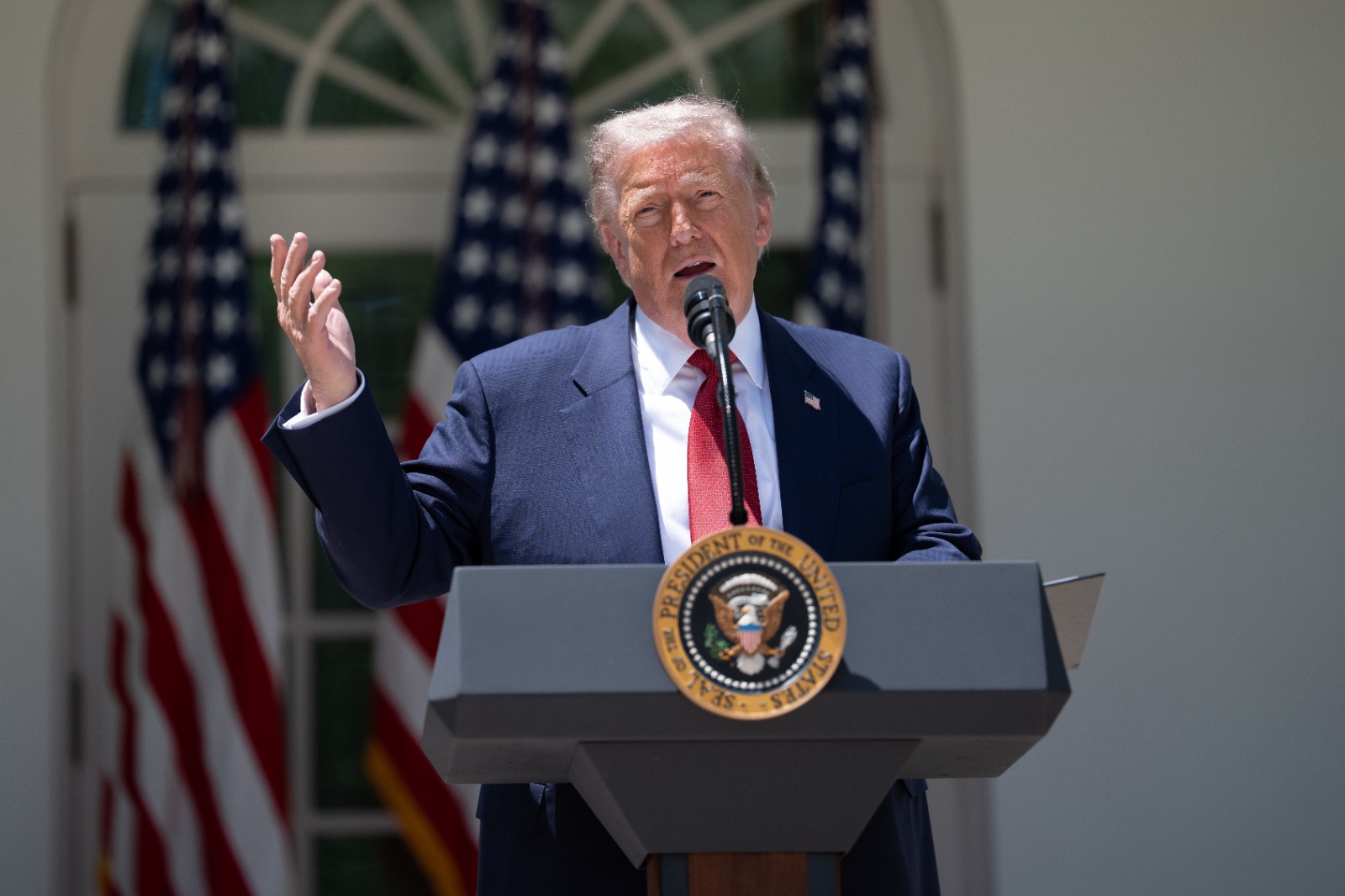
U.S. President Donald Trump announced on Friday via social media that a three-day ceasefire has been established between Russia and Ukraine. The truce is scheduled to run from May 9 through May 11, 2026, providing a brief pause in the ongoing conflict.
The timing of the Trump Russia Ukraine ceasefire is deeply symbolic, intended to mark the anniversary of the end of World War II. This diplomatic intervention comes as the international community closely monitors the volatility of the front lines and the potential for a broader resolution to the war.
While the announcement suggests a temporary halt in hostilities, the geopolitical climate remains fraught. The three-day window is seen by many analysts as a test of the current administration’s ability to mediate between Kyiv and Moscow, though the sustainability of such a short-term agreement remains uncertain.
The Timeline of the Three-Day Truce
According to the presidential announcement, the ceasefire will officially commence on May 9 and remain in effect until May 11. This specific window is designed to overlap with the commemorations of Victory Day, a date of immense historical and political significance in Russia.
The objective of this brief pause is to create a window of stability during a period of high-profile military parades and state functions. However, the practical implementation of the truce depends entirely on the compliance of both the Russian and Ukrainian military commands on the ground. Reuters reports that the announcement was made directly via social media, reflecting the administration’s preference for rapid, direct communication in its diplomatic efforts.
For the civilians living in the conflict zones, these three days represent a critical opportunity for potential humanitarian pauses, although no official corridors for aid or evacuation were detailed in the initial announcement.
Symbolic Timing: Victory Day and the End of World War II
The selection of May 9 as the start date is not coincidental. In Russia, Victory Day commemorates the surrender of Nazi Germany in 1945 and is one of the most significant holidays of the year, typically characterized by massive military parades in Red Square and a surge of nationalist sentiment.
By aligning the ceasefire with this date, the U.S. Administration is leveraging a moment of Russian national pride to secure a temporary cessation of violence. This approach attempts to use cultural and historical milestones as diplomatic leverage to reduce immediate casualties and create a psychological opening for further negotiations.
However, the symbolic nature of the date also introduces significant tension. Ukrainian President Volodymyr Zelensky has previously expressed deep skepticism regarding Russian commemorations of the war’s end while Russia continues its own invasion of Ukraine. This clash of narratives—Russia as the “liberator” of Europe versus Russia as a current aggressor—underscores the fragility of any agreement tied to this specific calendar date.
Kyiv’s Skepticism and the Risks of Violation
Despite the announcement from Washington, the atmosphere in Kyiv remains one of caution and distrust. Ukrainian leadership has consistently warned that Russia often uses temporary truces to reposition troops, replenish ammunition, or prepare for new offensives.
Adding to the tension, President Zelensky has reportedly warned foreign officials against attending the Victory Day parades in Moscow, viewing such attendance as a tacit endorsement of the Kremlin’s current military actions. This warning highlights the divide between the U.S. Administration’s desire for a diplomatic breakthrough and Ukraine’s insistence on territorial integrity and security guarantees.
The risk of ceasefire violations is high. In previous attempts at short-term truces, both sides have frequently traded accusations of “provocations” to justify resuming fire. Early reports from the region suggest that the transition to the ceasefire has already been met with volatility, with both Moscow and Kyiv remaining on high alert for any breach of the agreement.
Broader Geopolitical Implications
This three-day truce is more than a temporary pause; it is a signal of the current U.S. Strategy toward the Russia-Ukraine conflict. By acting as the primary mediator and announcing the ceasefire via social media, President Trump is positioning the United States as the central arbiter of the peace process.
For the European Union and NATO allies, the move is viewed with a mixture of hope and apprehension. While any reduction in violence is welcomed, there are concerns that short-term, U.S.-led truces may bypass established multilateral frameworks or pressure Ukraine into concessions without sufficient security guarantees.
the volatility of the region is evident in recent reports of infrastructure instability. Some reports indicate that drone activity and attacks have continued to disrupt logistics, including the temporary closure of airports in southern Russia, suggesting that the “shadow war” of attrition continues even as political leaders discuss ceasefires.
The success or failure of this three-day window will likely dictate the trajectory of U.S. Diplomacy for the remainder of the quarter. If the truce holds, it may provide the necessary confidence for more substantive negotiations. If it collapses quickly, it will underscore the deep-seated mistrust that continues to fuel the conflict.
Next Checkpoint: The international community will be monitoring the situation closely on May 12, the day following the expiration of the ceasefire, to determine if the pause in hostilities leads to a sustained diplomatic opening or a return to full-scale combat.
We invite our readers to share their perspectives on this diplomatic development in the comments below. How do you view the impact of short-term truces in long-term conflicts?